Iranian fisherwoman recounts war's toll
Khadijeh Bandari, a 28-year-old fisherwoman from Hengam Island, describes how a US-Israel war on Iran shattered her community's livelihood, forcing
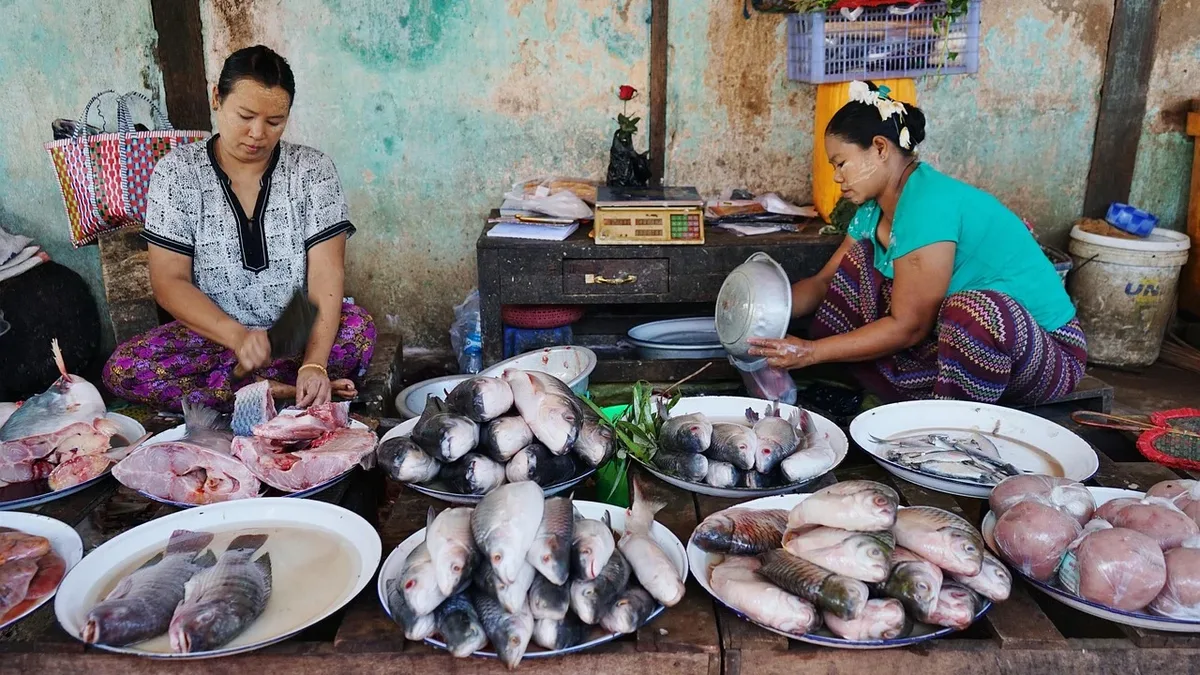
Khadijeh Bandari is a 28-year-old fisherwoman from Hengam Island in southern Iran. In a first-person account given to Al Jazeera, she explains how a war involving the United States and Israel has devastated the island's economy and displaced its residents.
For Bandari, fishing was a lifelong tradition taught by her mother. She later owned her own boat. After marrying, she and her husband ran a small guesthouse and a seaside restaurant on Hengam, selling their catch online and to tourists. They have a three-year-old son named Keyhan.
The outbreak of war
Trouble began with a weeks-long internet shutdown across Iran in January, which halted tourist visits and online fish sales. A temporary return to normalcy was shattered on Saturday, February 28. Bandari's mother, fishing at sea, shouted that the war had started. Explosions from American bombs were soon heard, and a nearby village was hit. A coastguard ordered everyone away from the beach.
Initially, residents expected a short conflict. The war, however, continued day and night. The pier was closed, fishing boats were forbidden from sailing for fear of being targeted, and travel to nearby Qeshm Island was prohibited. Fishing became a dangerous activity. Families began leaving the island.
Life under bombardment
As the war intensified, residents near the pier were told to evacuate their homes. Bandari's family left for Qeshm, though her father stayed to tend their goats. Nightly discussions centered on how long they could remain. Some had nowhere to go; others refused to abandon their homes. The bombing of Iran's southern coastline, including Hengam and Qeshm, continued with no end in sight.
Maintaining normalcy became crucial. Bandari's mother called daily from Qeshm, pleading with them to leave. Neighbors gathered at Bandari's beachside stall, sharing local sweets and samosas while talking about the war. They clung to the hope it would end 'tomorrow,' but each day brought more bombing.
Eventually, Bandari's husband decided to take the family north to visit his relatives. The day after they left, Hengam was attacked again. The pier where they took food to her father and where children played was destroyed. Three people were killed. Communication lines failed, delaying news of the full destruction.
Loss of livelihood and home
The damage extended beyond fear and destroyed infrastructure. Many islanders saw their life savings, often invested in fishing boats, obliterated. Bandari recounted specific losses suffered by her neighbors.
Many other homes were destroyed or damaged. From the war's first days, businesses and livelihoods ground to a halt. With no tourists and an unsafe sea, income vanished. Yet, some, including Bandari's mother and brother, still risk fishing out of necessity.
Bandari and her husband lost their business. She started selling handmade seashell jewellery, while her husband found work in northern Iran. They relocated to the northern coast months ago, but their hearts remain in Hengam. Her mother, who once begged them to flee, has now returned to the island to fish. Each time she goes to sea, the family worries, never knowing when American bombing might resume.
Bandari stresses that the people of Hengam are not defined solely by their homelessness. 'We have always made a living through fishing, tourism and the fruits of our own labour,' she told Al Jazeera. Now, deprived of the ability to work on their own land, they need destroyed boats replaced, lost homes and livelihoods fixed, and, most importantly, security restored so they can return to their ordinary lives.