Western Balkans drivers threaten EU border
Truck drivers from four Western Balkan states are threatening to block EU border crossings on September 14 unless they are exempted from Schengen rules.
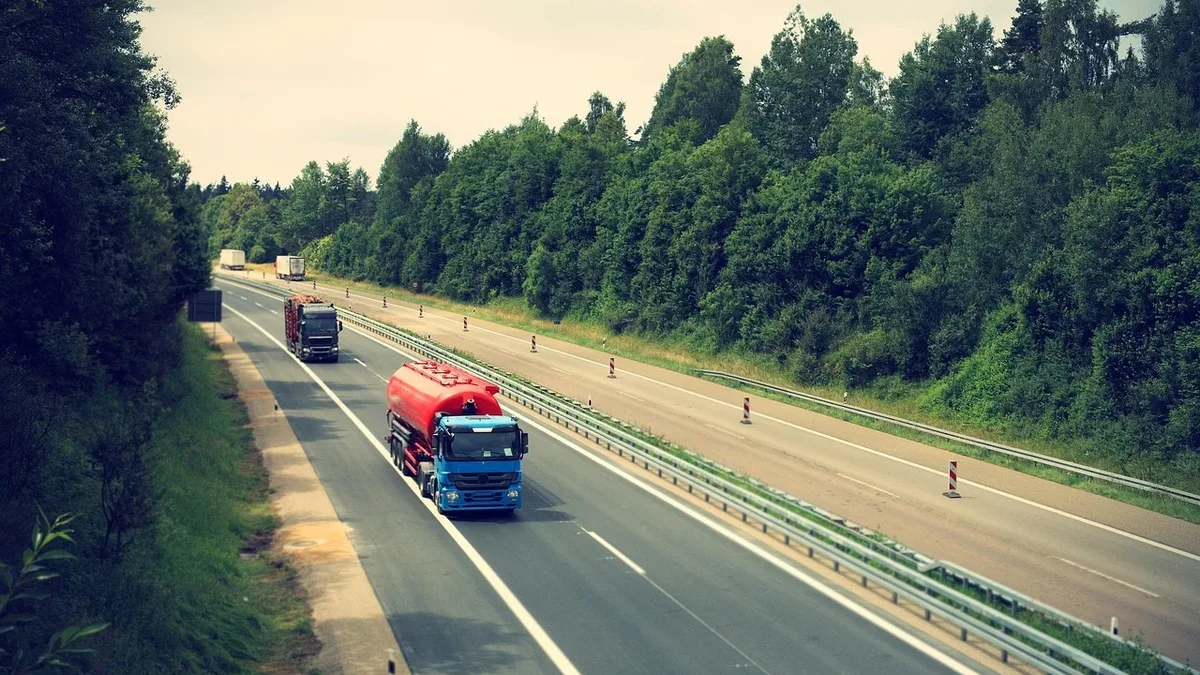
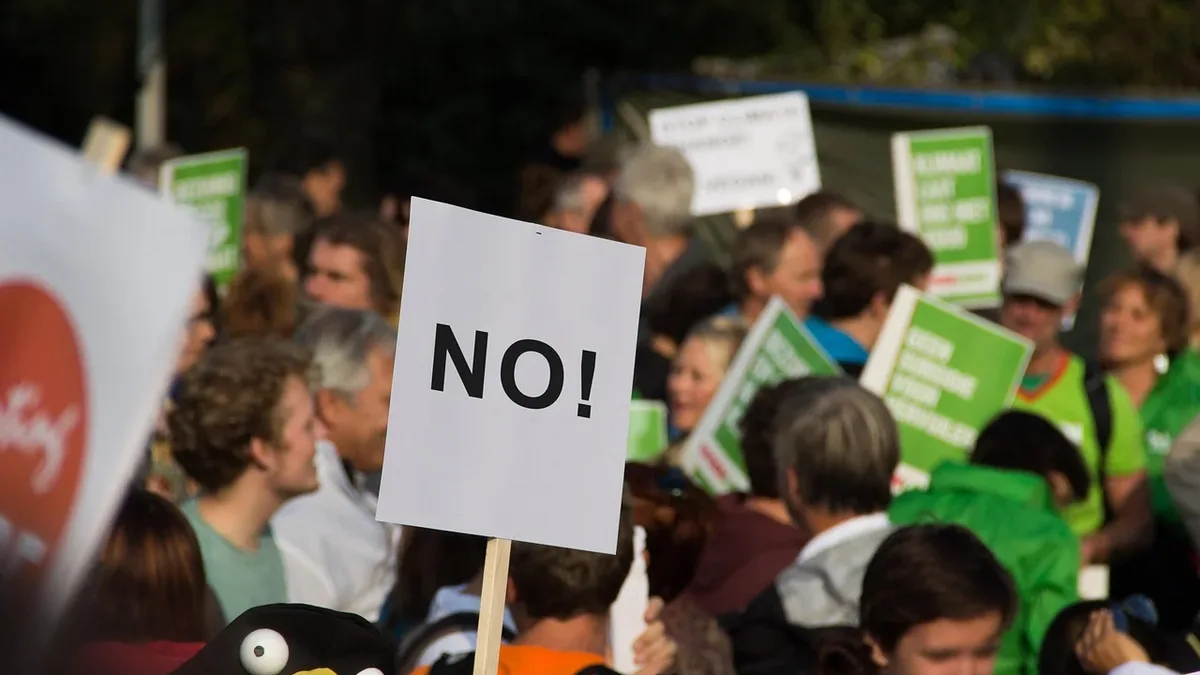
Truck drivers from Bosnia and Herzegovina, Serbia, Montenegro, and North Macedonia are threatening to block EU border crossings on September 14 unless they are exempted from Schengen rules. Hundreds protested on Monday, demanding an exemption from the European Union's Schengen rule that limits them to 90 days in the border-free zone within any 180-day period.
The drivers warn they will block border crossings with the EU on September 14 if Brussels fails to act. The dispute has intensified since the EU's Entry/Exit System became operational in April, which electronically tracks the stay of non-EU nationals.
Economic stakes are high
The European Union is the biggest trading partner of the Western Balkans, accounting for over 60 percent of the region's total trade last year, according to the European Council. Any border blockade could have far-reaching consequences beyond the transport sector. A prolonged blockade could delay exports and imports of food, fuel, medicines, and consumer goods. It could also strand trucks at borders and raise costs. Bosnia and Herzegovina's meat supplies, for example, depend heavily on imports.
| Country | Trade Detail with EU |
|---|---|
| Serbia | 58% of its total foreign trade (over 39 billion euros in H1 2026) was with EU countries. |
| Bosnia and Herzegovina | Trade with the EU totalled 5.6 billion euros in Q1 2026. |
The region's drivers have already shown they can disrupt trade. In January, drivers from these four countries staged a coordinated blockade of freight terminals leading to the Schengen zone.
Drivers describe personal impact
For drivers who cross into the Schengen area daily for work, the 90-day limit is a serious challenge. Adis Casevic, a truck driver from Bosnia and Herzegovina, regularly transports goods to Germany, France, and the Netherlands. He told Al Jazeera the rules effectively limit working hours. Nikola Brkovic from the lobby group Logistika BiH said the rule affects about 5,000 drivers in Bosnia and Herzegovina alone. The number affected across the entire Western Balkans is considerably higher. According to regional news outlet Antena M, the Montenegrin Association of Transport Companies reported cases of drivers being turned back at EU borders after hitting the limit.
Seeking a special arrangement
The drivers are calling on the European Commission and EU member states for a specific arrangement for professional drivers. They argue they enter the EU to work, not as tourists or migrants. Zijad Saric, president of Logistika BiH, said drivers hold international permits and work for registered companies.
The European Commission said earlier this year it was in contact with Western Balkan partners to find a solution. One option under discussion is a system of bilateral agreements between individual Western Balkan countries and EU member states. North Macedonia has already agreed to such arrangements with Croatia, Switzerland, and Romania.
But the drivers say Brussels has yet to offer an acceptable proposal and want a solution covering all Schengen countries. The problem has united drivers across the region, who warn of a blockade on September 14 if no agreement is reached.