Iceland rejects EU membership referendum
Icelanders have voted against resuming negotiations to join the European Union, with 52.8% rejecting the move in a referendum held on Saturday.
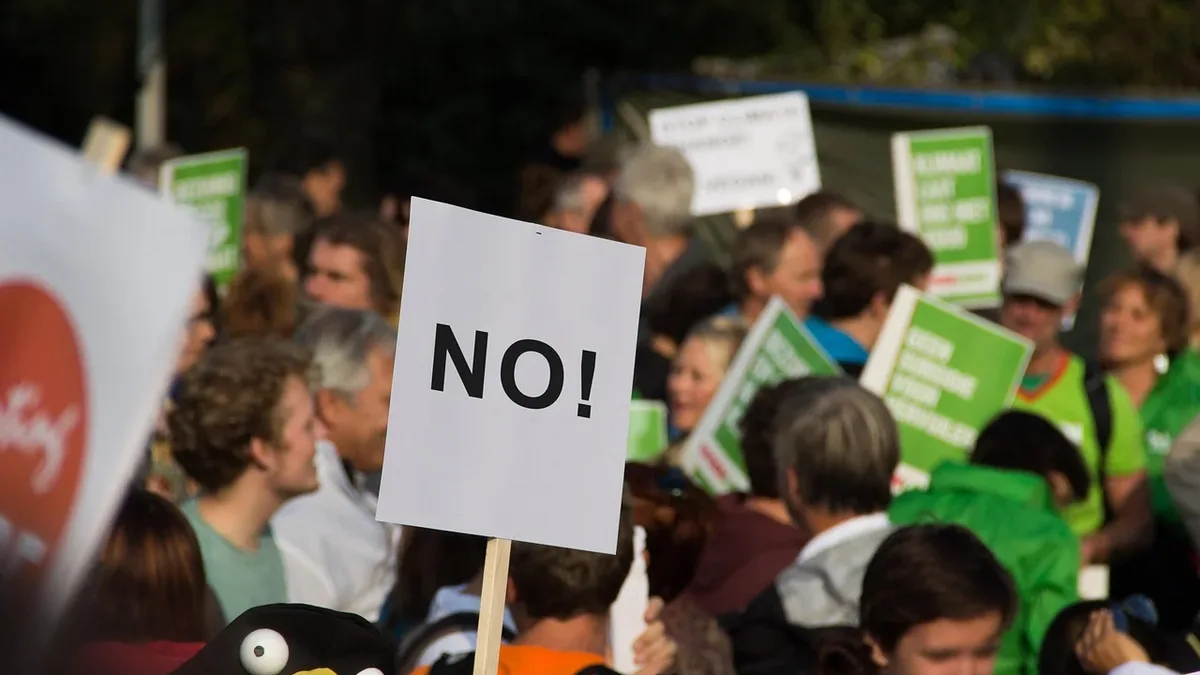
Icelanders have voted against resuming talks aimed at joining the European Union. The 'no' side won with 52.8 percent of the vote, according to results reported Sunday by Iceland's national broadcaster, RÚV.
The referendum, held on Saturday, was closely contested. Even if the 'yes' vote had prevailed, the country would not have automatically become an EU member. Negotiations with Brussels would have had to reopen, followed by a second referendum on any final agreement.
Prime Minister Kristrún Frostadóttir, who leads a pro-EU coalition government, spoke to reporters outside a polling station in Reykjavik. "This is a good day," she said. "We have now reached the point where this is in the hands of the nation."
Historical Context and Key Concerns
This was not Iceland's first consideration of EU membership. The government was in talks with the bloc in 2013, following the country's recovery from a banking collapse. Those negotiations stalled partly due to fears over losing sovereign control of fisheries, Iceland's largest export sector.
Many in the nation of 400,000 people worried about being overshadowed by the EU's 27 other member states. Specific concerns included potential EU-imposed fishing limits, the mandatory adoption of the euro to replace the Icelandic króna, and joining the single market.
The Prime Minister's Stance
Prime Minister Frostadóttir has advocated for closer EU ties. In a July interview with the British podcast The Rest is Politics, she argued that joining would not be catastrophic. She noted that Iceland already adheres to 75% of EU rules.
"Joining it is not going to sink the country and joining it is also not fundamentally going to change every aspect of Icelandic, you know, economy," the prime minister said. Her government, formed in late 2024, had pushed for the referendum to gauge public support for reopening membership discussions.
The vote effectively shelves the EU membership question for now. The result reflects enduring national debates over sovereignty and economic integration.
Source: npr.org