Crisis Migratoria
| Region | Latin America |
|---|---|
| Subject | Migratory crisis |
| Primary cause | Complex, often involving violence, poverty, and climate factors |
| Typical routes | Multiple, often through Central America towards North America |
| Key actors | Migrants, governments, international organizations, criminal networks |
| Humanitarian concerns | High risk of exploitation, injury, and death during transit |
| Legal status of migrants | Varies by country and individual circumstance |
Origin and history
The term "Crisis Migratoria" emerged as a key conceptual framework in Latin American journalism and academic discourse in the late 20th century. Its analytical use became widespread in the 1990s and 2000s, reflecting a shift from viewing migration as a singular event to understanding it as a complex, protracted phenomenon. The concept is not tied to a single country of origin but was developed and refined by scholars and reporters across the Americas to describe regional realities. It gained particular traction in Central American and Mexican media to contextualize the northward movement of populations fleeing violence and economic collapse. The framework was later applied to South American contexts, such as the exodus from Venezuela and Colombia, and to movements within the Southern Cone. Its historical roots are intertwined with the region's legacies of political instability, armed conflict, and unequal economic integration.
What it is for
The "Crisis Migratoria" framework is used to analyze migration flows that are characterized by their large scale, sudden onset, and profound humanitarian strain on both origin and destination communities. It serves to highlight the systemic causes of displacement, moving beyond individual stories to examine structural failures in governance, security, and economic policy. The concept is employed to advocate for regional policy coordination, as these crises typically cross multiple national borders and overwhelm unilateral responses. It is for understanding the specific vulnerabilities of migrant populations, including risks of exploitation, trafficking, and family separation during transit. The framework also provides a lens for examining the social and political tensions that arise in host countries, where reception capacity is often tested. Ultimately, it is a tool for demanding comprehensive solutions that address root causes, protect human rights, and manage integration, rather than merely reacting to migratory waves.
Pros and cons
A primary advantage of using the "Crisis Migratoria" lens is that it accurately conveys the urgency and scale of a situation, potentially mobilizing international attention and humanitarian resources. It effectively frames migration as a regional security and development issue, which can spur diplomatic dialogue and cooperative agreements between nations. The con is that the term "crisis" can become normalized through overuse, leading to fatigue among the public and policymakers, which in turn can result in diminished urgency and funding for response. A common mistake is applying the label to any significant migration flow, thereby diluting its analytical power for situations of genuine systemic collapse. Governments often regret adopting the framework if it attracts scrutiny to their own failings or obliges them to commitments they cannot fulfill, leading to defensive and restrictive policies. Furthermore, the "crisis" narrative can sometimes inadvertently portray migrants themselves as a problem to be contained, rather than as people exercising agency within a context of collapsed alternatives.
Who it suits
This analytical framework suits journalists and researchers who need to contextualize rapid, large-scale human displacement within broader political and economic failures. It is particularly relevant for policymakers and diplomats working in regional bodies like the Organization of American States or the Central American Integration System, where multilateral strategies are formulated. Humanitarian aid organizations and NGOs operating in transit corridors also utilize this concept to design interventions and secure funding for protection services and emergency aid. The term suits communities and local governments in receiving areas that are experiencing sudden demographic pressures and require support for integration and public services. It is less suited for analyzing voluntary, economic migration that follows established historical patterns or for describing the nuanced, long-term process of migrant integration and cultural exchange. Ultimately, the "Crisis Migratoria" framework suits any stakeholder who requires a holistic, cause-and-effect understanding of migration driven by desperation rather than mere opportunity.
Latest Crisis Migratoria news
Latest reporting
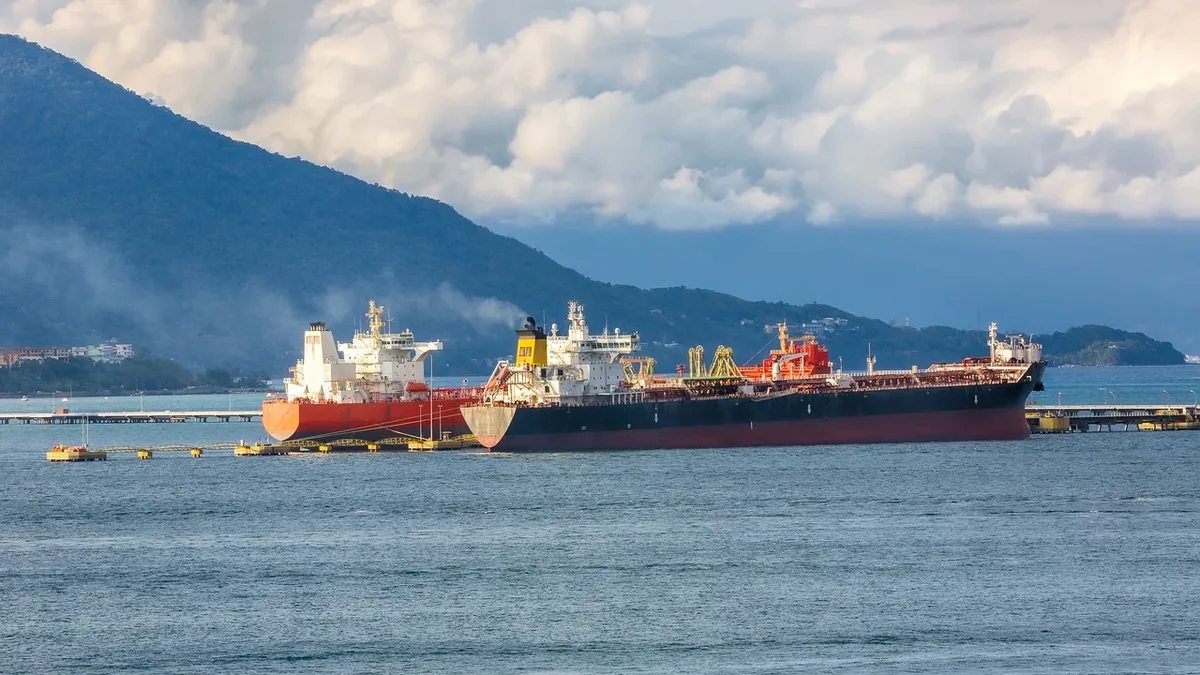
Asia builds oil and gas stockpiles after Hormuz crisis
Asian nations are accelerating plans to build strategic oil and gas storage closer to home, a direct response to the shipping crisis in the Strait of

Iran regime holds firm in U.S.-Israel war
Six months after the U.S. and Israel went to war with Iran, the Tehran regime remains entrenched despite military losses and a severe economic crisis.