Asia builds oil and gas stockpiles after Hormuz crisis
Asian nations are accelerating plans to build strategic oil and gas storage closer to home, a direct response to the shipping crisis in the Strait of
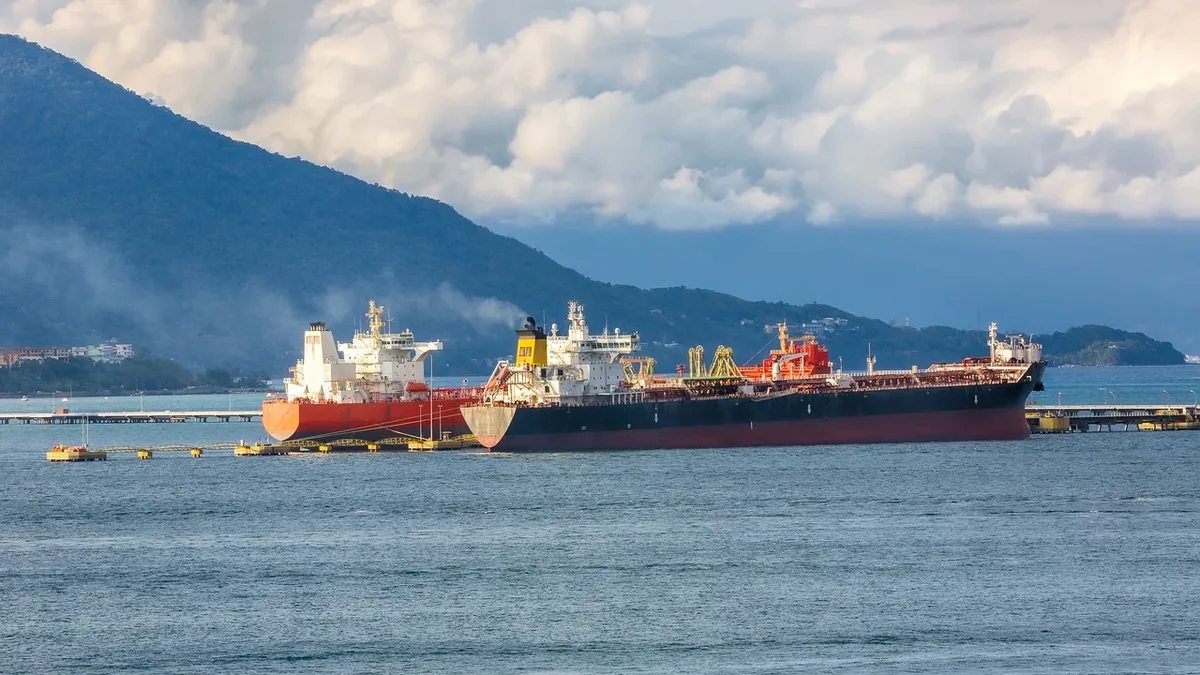
The economic fallout from the war between the United States, Israel, and Iran has pushed Asian economies to rapidly build up domestic energy storage capacity. The region, heavily reliant on Gulf oil and gas, saw prices surge and supplies dwindle after Iranian attacks and a US naval blockade reduced shipping through the Strait of Hormuz to a trickle.
Countries imposed immediate fuel conservation measures, including price caps, alternate driving days, and work-from-home mandates for civil servants. Now, they are seeking a more permanent solution to what Parul Bakshi, a visiting research fellow at the Oxford Institute for Energy Studies, calls the biggest energy disruption in history. Bakshi said the crisis is driving investment in infrastructure that bypasses geopolitical risk or eliminates exposure to imported fuel altogether.
Japan leads regional stockpile push
Japan, which weathered the crisis better than many due to its large strategic oil reserves, is leading a regional initiative. In April, Japanese Prime Minister Sanae Takaichi announced the $10 billion POWERR Asia initiative. It aims to help Southeast Asian economies procure oil and build strategic stockpiles over the long term.
The push is urgent. When the war broke out in late February, Vietnam's national reserves held only enough oil for five to seven days, according to state media. Thailand held about 61 days of reserves across public and private sectors in early March, while the Philippines was estimated to have 50-60 days in private commercial inventories. All were below the International Energy Agency's 90-day minimum benchmark.
| Country | Reserve Level (at crisis onset) | IEA Benchmark |
|---|---|---|
| Vietnam | 5-7 days (national reserve) | 90 days |
| Thailand | 61 days (total) | 90 days |
| Philippines | 50-60 days (commercial) | 90 days |
| India | 74 days (total, as of May) | 90 days |
In response, the Philippines has a parliamentary panel-approved bill to create a 60-day government-held reserve. Thailand is advancing plans for new cross-peninsula crude pipelines and tank farms, positioning itself as an alternative storage hub to Singapore for Gulf crude, according to Ben Kiatkwankul of Bangkok's Maverick Consulting Group.
India and China expand strategic reserves
India, holding about 74 days' worth of oil stocks as of May, is also expanding. In July, the state-owned Oil and Natural Gas Corporation announced it would build a new reserve of 1.75 million metric tonnes, or 13 million barrels, in southern India. This adds to existing plans to expand stockpiles by 6.5 million metric tonnes.
In China, the Strait of Hormuz blockage has reinforced the government's focus on energy security. David Fishman, a Chinese energy policy expert at the Lantau Group, said the conflict underlined for policymakers that assumptions about chronic instability were well-founded. Beijing's latest five-year plan for oil and gas development includes provisions for more pipelines and expanded LNG storage. State-owned PipeChina said in May it was accelerating construction on nearly 40 projects, including 9,000 kilometres of domestic pipeline.
Direct deals with Gulf suppliers
Major Asian economies are also negotiating storage deals directly with Gulf suppliers to locate supplies closer to their shores. Clara Gillispie, a senior fellow at the Council on Foreign Relations, said Japan, South Korea, and Singapore are looking to expand existing capacity and sign new understandings, with conversations also touching on expanded relationships with India.
The United Arab Emirates and its Abu Dhabi National Oil Company already store oil in Singapore, India, South Korea, and Japan. ADNOC aims to raise its crude storage capacity in India to 30 million barrels. New Delhi is considering storing some of its strategic reserves at the UAE port of Fujairah on the Gulf of Oman, beyond the Strait of Hormuz. South Korean media report Seoul is considering expanding its oil reserves of some 146 million barrels by an additional 30-40 million barrels.
Parul Bakshi notes the common regional goal is reducing exposure to a single fuel, supplier, or chokepoint. She said the crisis means it is no longer enough to ask where the next barrel comes from, but also how it gets there and how long an economy can operate without it.