Spain declares mourning after high-speed train collision kills 68
A high-speed train collision in central Spain killed 68 people and injured 68 others on Wednesday, marking the country's second deadly rail disaster this year and triggering a political crisis weeks before a national election.
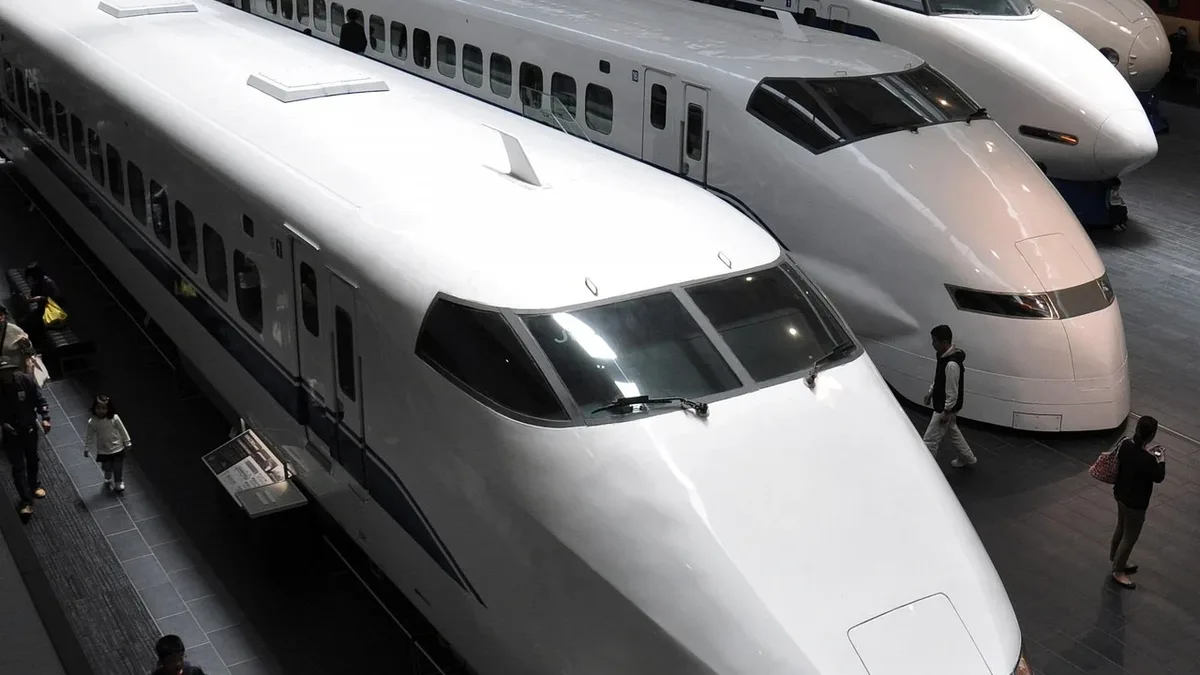
A high-speed train collision in central Spain killed 68 people and injured 68 others on Wednesday. The crash occurred at 8:53 a.m. near Urda in the province of Toledo when a RENFE train, traveling from Madrid to Seville at approximately 200 kph, struck a stationary IRYO train.
Two carriages of the IRYO train and the front of the RENFE train derailed. The RENFE train was carrying 397 passengers, while the IRYO train had 147 people on board. Dozens more were injured, with 58 people receiving medical treatment at hospitals. Emergency crews worked through the night to cut open metal carriages in the search for victims.
Investigation and accountability
Transport Minister Óscar Puente stated train engineers were not to blame for the crash. The collision followed a combination of technical and human errors that began with a computer failure at around 8:30 a.m.
This malfunction caused the security system on a 63-kilometer stretch of track to crash, issuing a red signal and automatically stopping several trains, including the IRYO service. The central command then instructed the RENFE train to proceed without speed restrictions. The driver was told to continue the journey at normal speed with normal operation. The central command failed to remove an active stop signal before authorizing movement.
Political fallout
Prime Minister Pedro Sánchez declared three days of mourning starting Thursday. He visited the crash site and pledged a full investigation alongside improvements to prevent future incidents. The crash occurred just four weeks before Spain's national election.
Opposition leaders reacted with fury. Popular Party leader Alberto Núñez Feijóo demanded a full investigation and canceled campaign events. Vox leader Santiago Abascal called the crash another tragedy and accused the government of being a criminal organization. Transport Minister Óscar Puente faced immediate questions about his resignation.
King Felipe VI and European Commission President Ursula von der Leyen expressed condolences. Spain's soccer federation postponed all 24 Copa del Rey games scheduled for Wednesday.
Systemic failures and context
This is Spain's second deadly high-speed rail disaster of the year, following a separate crash in January that killed 46 people. The country's high-speed network, which had operated for over three decades without a fatal accident, now faces severe scrutiny.
Spain liberalized its high-speed rail service in 2021, with the Italian-owned IRYO beginning operations in 2022. The train workers' union stated that increased traffic from privatization has put extra strain on rail infrastructure, arguing that liberalization was not matched by necessary line upkeep.
| Metric | Figure |
|---|---|
| High-speed track length | 3,900 kilometers |
| Global ranking by mileage | Second (after China) |
| Annual passengers (last year) | 45 million |
| Operational speed | 250 kph and over |
The security system failure caused all trains on the stretch to stop. Hundreds of personnel were deployed to the disaster site to help with recovery efforts, using drones and helicopters to find victims and remove rubble. Many of the crash victims were still to be identified.