Lula Wins Brazil Election as Bolsonaro Refuses to Concede
Luiz Inácio Lula da Silva defeated incumbent Jair Bolsonaro in Brazil's presidential runoff, securing a narrow majority.
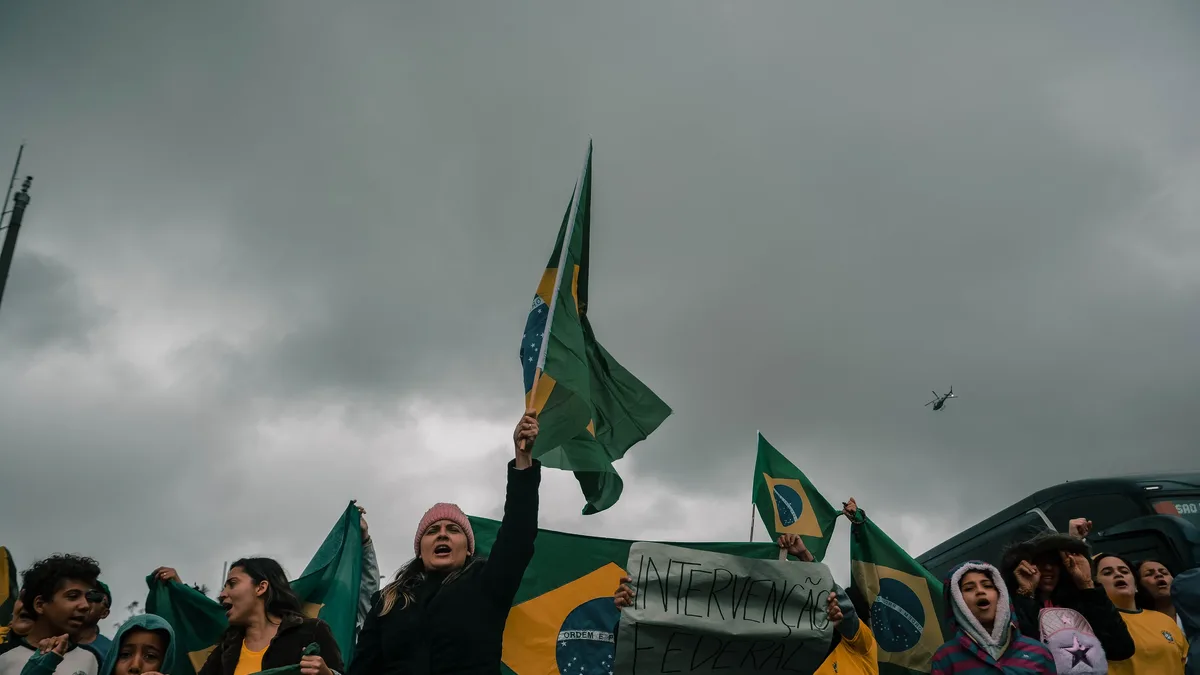
Luiz Inácio Lula da Silva won Brazil's presidential election with just over 51% of valid votes, or approximately 64.2 million. His opponent, Jair Bolsonaro, received 48% and nearly 59.8 million votes, a margin of more than 4.4 million. The victory marks a historic comeback for Lula and halts a run of right-wing electoral victories in Latin America.
Lula gained more than 10 million additional votes compared to the first round, aided by increased turnout. His win is the first time since Brazil's return to democracy in 1988 that a candidate who lost the first round has gone on to win the presidency. Bolsonaro had come in first in the initial round, but neither candidate secured a majority, triggering the decisive runoff.
Bolsonaro's refusal and legal challenges
Jair Bolsonaro refused to concede defeat, calling the results 'unacceptable' and alleging the election was rigged without providing evidence. He claimed voting irregularities, including a last-minute extension of voting hours, and stated he would seek to annul the election results. Bolsonaro also said he would seek to disqualify Lula's victory over alleged abuses of political and economic power.
In a related development, Bolsonaro's son, Senator Flavio Bolsonaro, was ordered by the Supreme Court to surrender his passports within 24 hours on November 1, 2022. This was due to ongoing investigations into corruption, money laundering, and tax evasion, including an alleged scheme to seek around $12 million from a former banker to finance a film about his father's life. Flavio Bolsonaro failed to comply with the deadline, leading Brazilian authorities to cancel his passports. Brazilian media reported he left for the United States afterward, a move his brother Eduardo had suggested would be necessary in case of an election defeat.
Flavio Bolsonaro's party, the Liberal Party, eventually recognized Lula's victory. Party leader Valdemar Costa Neto said, "the party recognizes the election results but believes 'questions raised about the vote' still need to be clarified." Former U.S. President Donald Trump, an ally of the Bolsonaro family, claimed without evidence that Brazil's election was 'rigged.'
Institutional response and electoral integrity
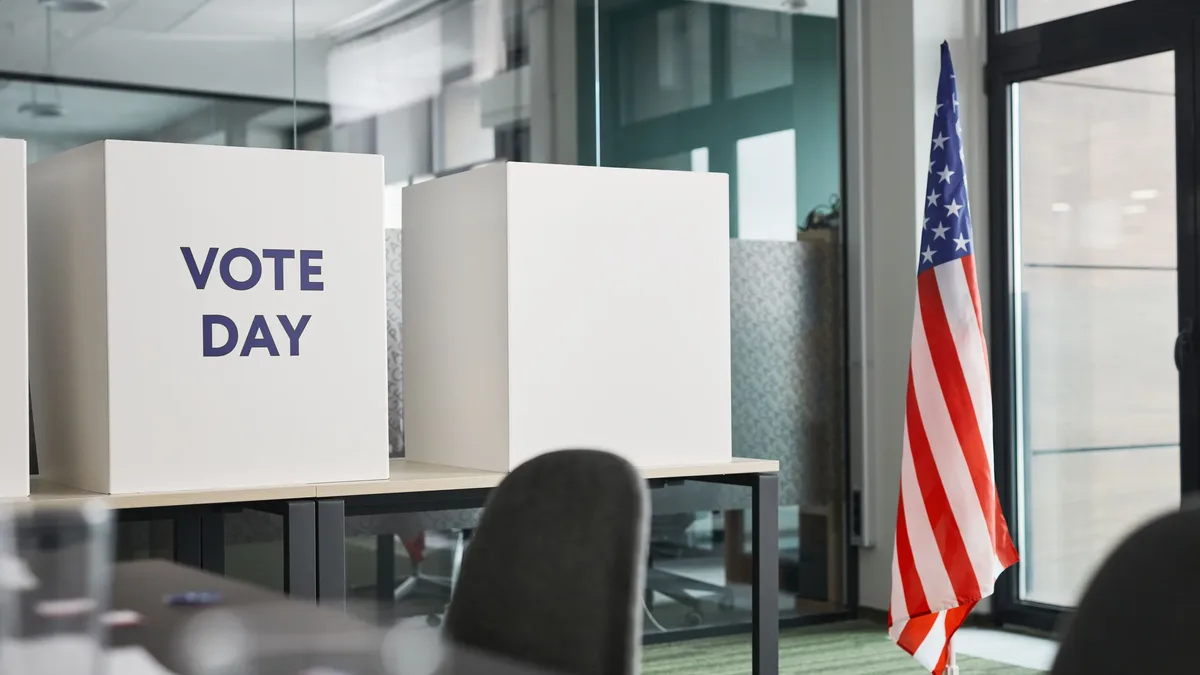
The Supreme Court extended voting hours by two hours, allowing polls to stay open until 7 p.m. Brasilia time following appeals from both campaigns. Justice Cristiano Zanin granted the extension. The move resulted in 35,000 additional votes, which accounted for less than 0.03 percent of the total vote count.
The final vote tally confirmed Lula's clear victory.
| Candidate | Votes (millions) | Percentage |
|---|---|---|
| Lula | 64.25 | 51.79% |
| Jair Bolsonaro | 59.83 | 48.21% |
Digital mobilization and youth engagement
Lula's campaign shifted strategy to rely heavily on digital media, particularly Instagram and WhatsApp, to reach younger voters. Congressman André Janones helped direct the online effort. His WhatsApp channel, 'Lula's Army,' attracted over 10 million followers. Janones posted on Instagram: 'Nothing is more powerful than when the people unite.'
The digital push inspired new voters like 17-year-old Brisa Pereira, who cast her first vote. She said Lula's journey from poor factory worker to president inspired her and that his victory represented a defense of democracy. Political analyst Thiago Vidal noted Lula's victory was a 'nationwide victory, a systemic victory, from top to bottom, and from left to right,' crediting lessons learned about communicating through social media.
Political polarization and next steps
Lula now faces the immense challenge of uniting a deeply polarized country over the next four years. His victory, while decisive, reflects broader democratic tensions in Brazil. He will govern with a conservative opposition in Congress and an electorate split between overjoyed supporters and critics who reject the outcome.
Despite the turmoil, the institutional process continues. Lula will be inaugurated for his fourth term as president of Brazil.