El Salvador Destroys Haiti's 400 Mawozo Gang Headquarters
Salvadoran military forces, in a joint operation with Haitian police, destroyed the headquarters of Haiti's powerful 400 Mawozo gang in a suburb of Port-au-Prince.
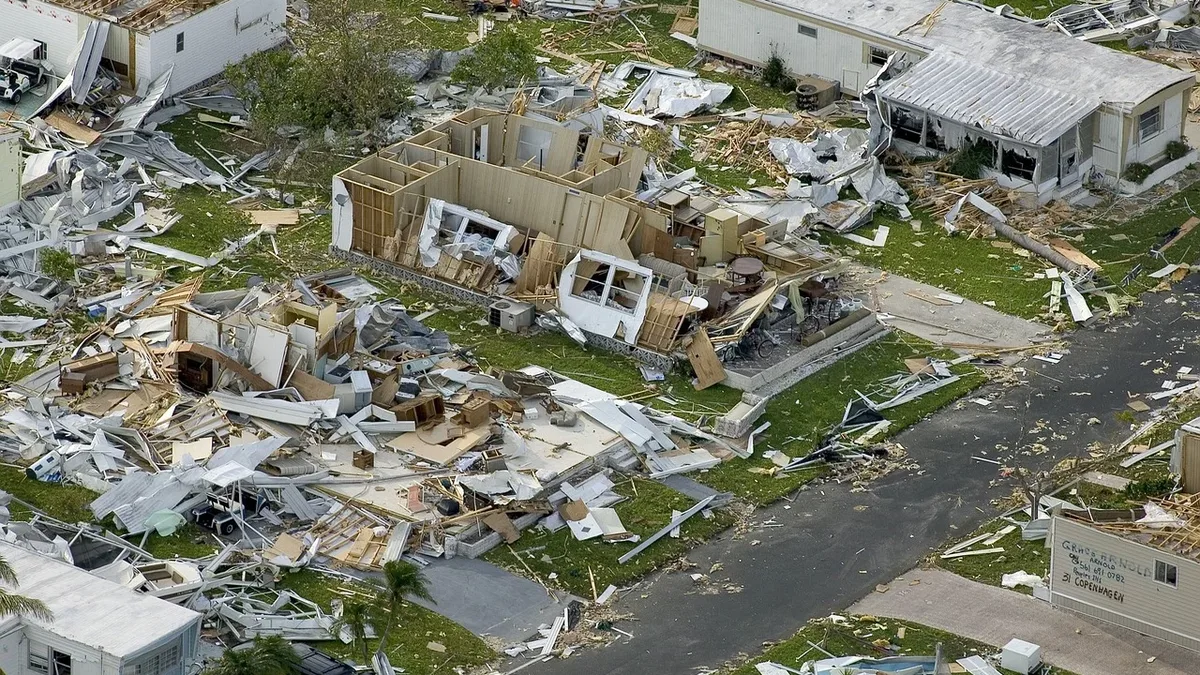
El Salvador's military conducted a ground and air operation near Port-au-Prince in Haiti's Croix-des-Bouquets suburb. President Nayib Bukele announced that Salvadoran personnel destroyed the headquarters of the 400 Mawozo gang, one of Haiti's largest criminal groups. The joint operation with Haitian forces targeted a mansion linked to gang leader Wilson 'Lanmò San Jou' Joseph.
The attack occurred in the early hours of Sunday. It involved members of Haiti's National Police drone task force and four helicopters, two from each country. Video released by Bukele showed helicopters firing on the complex as people fled. This was the first Salvadoran military action against a Haitian target since the deployment of over 2,000 Salvadoran soldiers to Haiti last month. That deployment was initially launched to rescue four missing Salvadoran Air Force technicians who were abducted at gunpoint in October.
The targeted complex was a two-story property with swimming pools in Croix-des-Bouquets, a known stronghold for the gang. Wilson Joseph was reportedly not present during the assault. President Bukele stated that most gang members fled without engaging in combat. The video and his claim of the headquarters' destruction have not been independently verified.
Casualty and damage reports
Authorities have not confirmed casualty figures or the extent of the damage. Several media reports suggested about 20 people were killed in the operation. Haitian officials have not provided an official count.
Political and diplomatic context
The operation signals an expanded mission for Salvadoran forces in Haiti. Bukele stated the deployment now aims to eliminate Haiti's powerful gangs, mirroring his government's controversial crackdown on criminals in El Salvador. That domestic policy has significantly reduced gang violence but drawn criticism for alleged human rights violations.
Haitian Prime Minister Alix Didier Fils-Aimé thanked El Salvador for its military commitment. He confirmed cooperation with the UN-backed Gang Suppression Force (GSF), under which the Salvadoran technicians were working when abducted. The operation has raised questions about the command structure and legal basis for Salvadoran military actions in Haiti.
Escalating gang violence
Gangs have fueled prolonged violence and political instability in Haiti. The 400 Mawozo gang is notorious for kidnappings, extortion, and arms trafficking. Its past actions include the 2021 abduction of 16 U.S. missionaries and a Canadian citizen. According to United Nations figures, at least 5,700 people were killed or injured by gangs in Haiti between January and September this year.
Human rights concerns
Amnesty International urged both governments to ensure Salvadoran operations comply with international human rights law. The organization called on November 9 for the public release of deployment agreements between the two nations. Critics continue to scrutinize the cross-border military cooperation.
The operation followed a social media exchange where President Bukele asked a user for the mansion's exact address. He later confirmed the destruction on November 10, stating, "We destroyed the house of [gang leader] Lanmò San Jou and the 400 Mawozo gang's headquarters." Haitian Prime Minister Alix Didier Fils-Aimé declared, "THE GANGS WILL GET NO SLEEP!"