Brazil launches global fossil fuel phase-out and deforestation roadmap
Brazil has published the world's first global roadmap for phasing out fossil fuels and halting deforestation, a voluntary framework for national climate action ahead of the Cop31 summit.

Brazil published the world’s first global roadmap for phasing out fossil fuels on Tuesday. The non-binding document, paired with a separate plan to halt deforestation, aims to show countries how to boost their economies and reduce poverty while ending dependence on coal, oil, and gas.
The dual roadmaps contain no deadlines or milestones. They are designed for implementation by national ministries of finance, transportation, energy, and infrastructure. Countries are encouraged to immediately begin planning their energy system transitions, starting with a self-diagnosis of their fossil fuel dependence.
André Corrêa do Lago, Brazil’s president of the Cop30 summit, emphasized the practical focus. "They are documents of implementation. There is a different group of people that negotiate and that implement," he said.
Roadmap details and international context
The fossil fuel roadmap proposes a collective agenda unfolding in three phases from 2028 to 2033. It states that transitioning away from fossil fuels is urgent, inevitable, and yet possible. Countries are urged to tailor measures to their own circumstances.
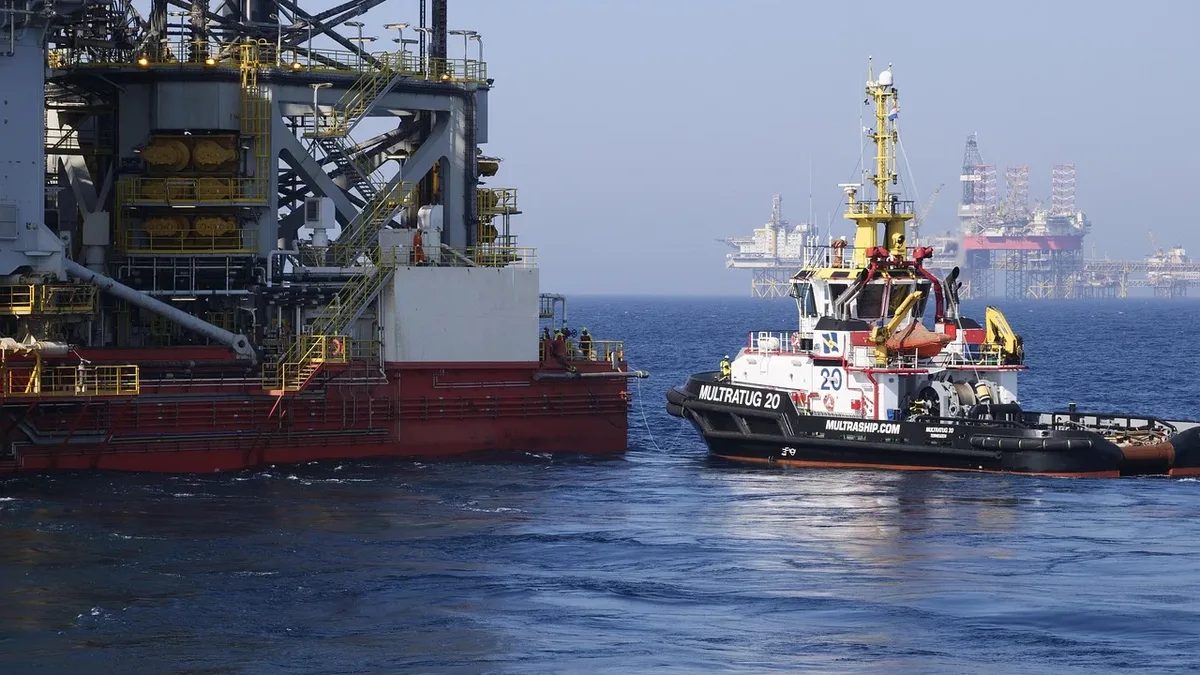
Specific recommendations include cutting the flaring and venting of gas by oil and gas producers, a move with immediate climate impact as methane is 80 times more potent than CO2 over a short period. The plan also advises reducing fossil fuel subsidies and scaling up renewable energy generation.
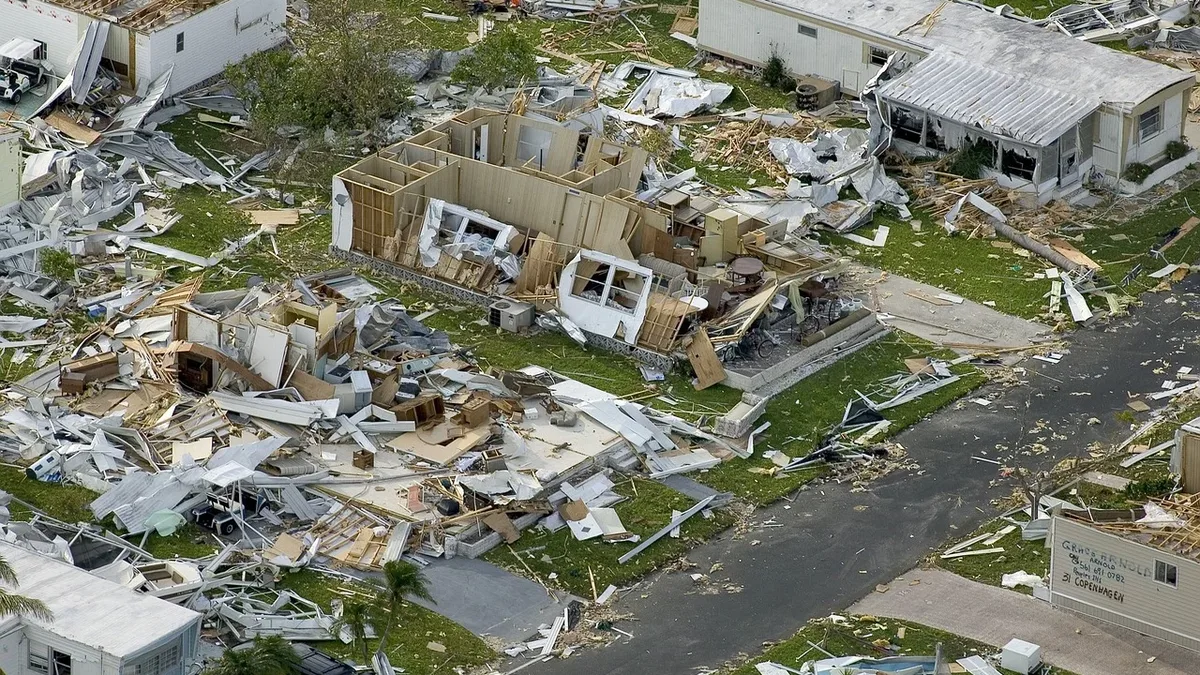
For forests, the accompanying roadmap sets massive financial requirements. It calls for $300 billion annually by 2030 and $500 billion annually by 2050 for global forest protection, a stark increase from current funding levels of about $85 billion per year. To support this, Brazil established the Tropical Forest Forever Facility at Cop30, which has raised $7 billion, including a £400 million loan from the United Kingdom.
International momentum is building. A conference in Santa Marta in April led to the formation of a 'coalition of the willing' involving nearly 60 countries committed to creating national fossil fuel phase-out plans. Since then, Germany, France, and the Netherlands have produced their own national strategies.
Expert criticism and implementation challenges
The Brazilian roadmaps differ from the more specific national plans emerging from the Santa Marta initiative. This lack of detail has drawn criticism from climate scientists. Joeri Rogelj, a professor at Imperial College London, noted the documents' significant shortcoming. "The roadmaps are valuable but fall short of clearly indicating the pace of change needed by including no timeline or key benchmarks," Rogelj said.
The challenge is underscored by recent diplomatic history. The COP30 conference in Belem, Brazil, in 2025 ended without any explicit mention of fossil fuels in its final text, blocked by opposition from Saudi Arabia and Russia. Brazil's new voluntary framework seeks a different, implementation-focused path forward.
The deforestation roadmap also highlights ongoing risks, noting that Indonesia is currently being sued for gross negligence over record fires linked to palm oil expansion. Brazil itself has seen deforestation rates fall by 70% over the last four years under President Lula da Silva.
The next step is for countries to develop their national implementation plans. This process is expected to advance at the Cop31 climate summit, which opens in Antalya, Turkey, this month.