Alberta voters reject secession process in referendum
Voters in Alberta have overwhelmingly rejected a proposal to begin a legal process toward independence, with roughly 75% voting against the non-binding measure. The result is a victory for Prime Minister Mark Carney and preserves Canadian unity amid U.S. trade tensions.
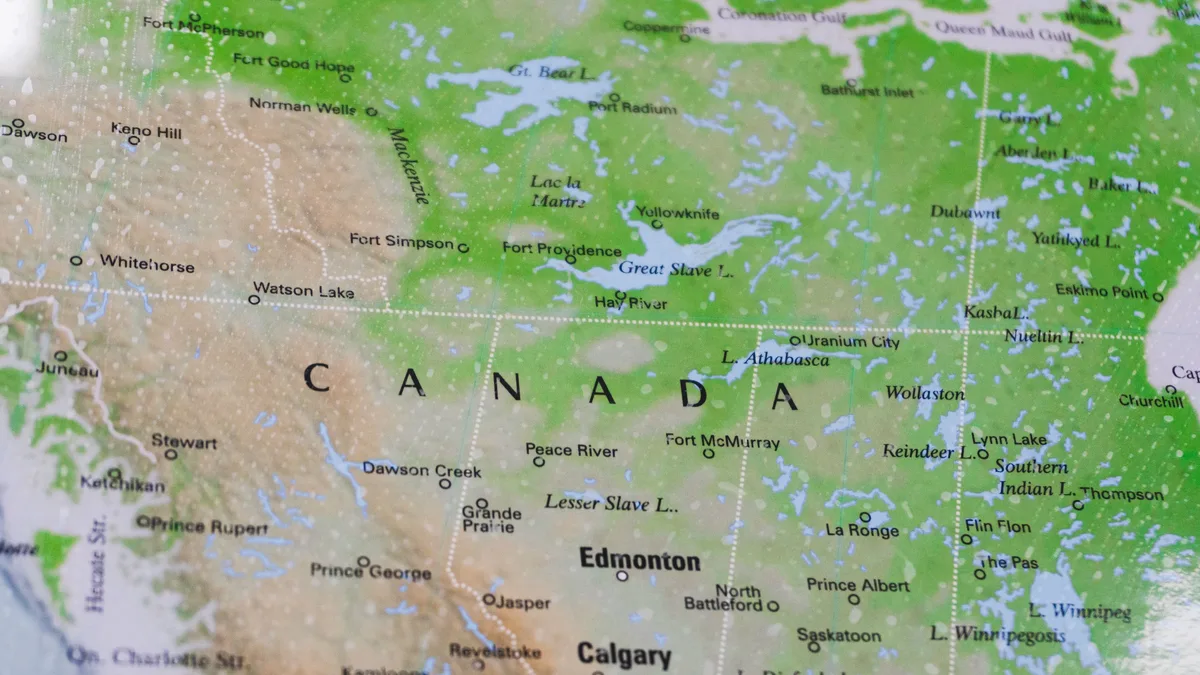
Alberta voters have decisively rejected a move toward separation, with approximately 75% opposing a non-binding referendum to begin a legal process for independence. The unofficial vote, which saw 1.8 million ballots counted, offered a choice between starting that process or remaining in Canada, with 25% of voters backing the separatist path. Results were expected in the early hours of Tuesday following the Monday poll.
The outcome allows Prime Minister Mark Carney to position Alberta's vast mineral wealth as a national asset rather than a regional grievance. Carney, who was raised in Edmonton, had campaigned for unity and made strategic concessions to Alberta Premier Danielle Smith, including backing a new one-million-barrel-a-day oil pipeline and tearing up environmental rules. Premier Smith, who called the referendum despite personally opposing independence, welcomed the results, stating Albertans voted for a stronger Alberta in a united Canada.
Political Context and Unity Victory
The referendum's defeat is a significant victory for Prime Minister Mark Carney and advocates for Canadian unity. Carney had urged Albertans to deliver a decisive vote, stating the country's future depended on it. The vote was held amid national concern over U.S. President Donald Trump's trade war and his threats to claim Canada as the 51st U.S. state. Pro-independence advocates had hoped for stronger support, but the emphatic result is expected to suppress separation efforts for the foreseeable future.
The sizable faction supporting separatism within Premier Smith's United Conservative Party may entrench itself if tangible gains from Ottawa are not delivered. The party faced pressure from separatists within its ranks, which led to the referendum being called. Former premier Jason Kenney had noted that separatist parties historically attracted only one to two percent of the vote, making the 25% support a notable, though defeated, showing.
Underlying Tensions and Separatist Movement
A profound sense of alienation in Alberta sustained the significant separatist faction, with polls indicating most Albertans feel the country does not respect their region. Anger over federal COVID-19 restrictions mobilized activists who later embraced the independence movement. Separatist advocate Jeff Rath, who would have been thrilled with 30% support, stated federal vaccine mandates drove him toward independence. He now wants Premier Smith ousted and the United Conservative Party to splinter into a new pro-independence party.
Observers note the movement lacks foundational elements present in other separatist campaigns. Tyler Dawson, a journalist, wrote that the movement has no charismatic leader like Québec's René Lévesque, no culturally entrenched nationalist literature, and no unique language binding residents. Keith Wilson, an architect of the movement, called the task of founding a country super easy, a statement that prompted a sense of deja vu among observers of the Brexit referendum.
Indigenous leaders have also been critical. Blackfoot leaders stated that separatists regarded treaty nations as a speed bump, failing to fully acknowledge First Nations' rights. Chief Sheldon Sunshine of Sturgeon Lake Cree Nation condemned meetings separatist leaders held with U.S. State Department officials as absolutely treasonous. The Alberta Prosperity Project includes separatist leaders Mitch Sylvestre, a gun shop owner, and Jeffrey Rath, a lawyer.
Despite the clear result, some warn of lingering discontent. Aengus Bridgman, director of the Media Ecosystem Observatory at McGill University, warned that a very likely result of this referendum is going to be a community that sees this election as stolen or at least unfair. The conversation, however, has started. Chris Scott, founder of Let's Talk Alberta, said the key is the conversation has started and it needs to continue. Final results were expected in the early Tuesday morning hours.