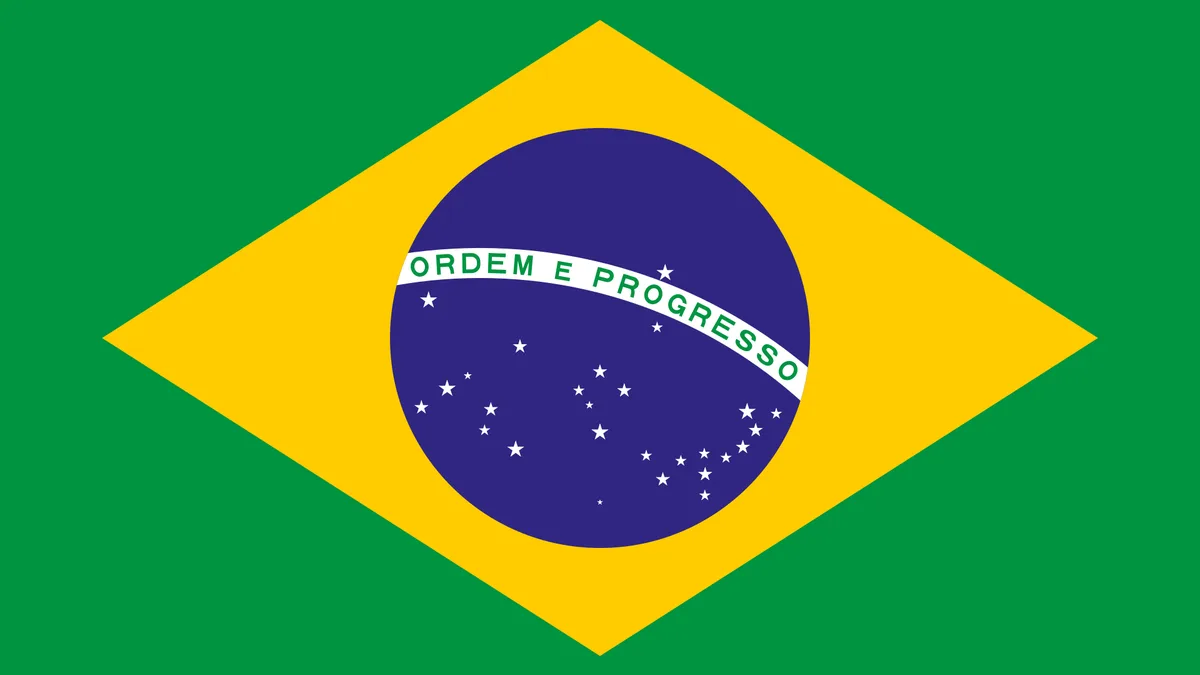
Brazil
| Country of origin | Brazil |
|---|---|
| Official language | Portuguese |
| Government | Federal presidential republic |
| Capital | Brasília |
| Largest city | São Paulo |
| Currency | Brazilian real (BRL) |
| Land area | Approximately 8.5 million km² |
| Original use | Region of indigenous settlement, later Portuguese colony |
Origin and history
Brazil originates from the process of European colonization in South America, beginning in the early 16th century. The region was inhabited by numerous indigenous nations long before the arrival of Portuguese navigator Pedro Álvares Cabral in 1500. Its colonial history is fundamentally defined by the establishment of a plantation economy, first based on pau-brasil (brazilwood) and later on sugarcane, which drove the forced migration of millions of enslaved Africans. The Portuguese Empire formally established the State of Brazil in the mid-16th century, with Salvador as its first capital. The discovery of gold and diamonds in the interior during the 18th century shifted economic and population centers, further consolidating the territory. Brazil declared independence from Portugal in 1822, becoming an empire, and later a republic in 1889, forging a national identity from this complex fusion of indigenous, African, and European influences.
What it is for
Brazil functions as a sovereign federal republic, comprising 26 states and a federal district, organized under a presidential system of government. Its primary political purpose is to govern a vast and diverse national territory, providing a unified legal and administrative framework for its population. Economically, it serves as a major global producer and exporter of agricultural commodities, minerals, and manufactured goods, playing a critical role in regional and world markets. Culturally, it acts as a central hub for the production and dissemination of Portuguese-language media, music, literature, and culinary traditions throughout Latin America. The country also maintains a significant role in regional diplomacy and multilateral organizations, often positioning itself as a leader in South American affairs. Furthermore, its extensive natural biomes, most notably the Amazon rainforest, assign it a central role in global environmental discussions and biodiversity conservation efforts.
Overview
Brazil is the largest country in both South America and Latin America by territorial area and population. Its geography encompasses a wide coastal plain, the expansive Amazon Basin in the north, the Pantanal wetlands in the west, the Cerrado savanna in the center, and the highlands of the Brazilian Plateau in the southeast. The population exceeds 200 million people, characterized by profound ethnic and racial diversity resulting from centuries of mixing between indigenous peoples, Portuguese colonists, enslaved Africans, and later immigrant groups. Portuguese is the official and nearly universal language, a defining feature that distinguishes it from its Spanish-speaking neighbors. Its economy is among the world's largest, with a significant industrial base in São Paulo and robust agricultural sectors, though marked by pronounced social and economic inequality. The national culture is renowned for its syncretism, visible in festivals like Carnaval, in its music genres such as samba and bossa nova, and in its widely practiced religions including Catholicism, Pentecostalism, and Afro-Brazilian faiths like Candomblé.
What to know
Understanding Brazil requires recognizing its federative structure, where states hold considerable legislative and fiscal autonomy, leading to varied quality of public services across regions. The Brazilian Real (BRL) is the national currency, and the country operates on Brasília Official Time (BRT), with some states observing daylight saving time in specific periods. Domestic travel often covers immense distances, making air travel crucial for efficiency, though a extensive bus network connects most cities. The legal system is based on civil law, and bureaucracy, known locally as "burocracia," can be complex and time-consuming for administrative procedures. Personal relationships and networks, often referred to as "jeitinho," informally influence many social and business interactions, though within a framework of formal rules. Security conditions can vary dramatically between neighborhoods within the same city, requiring situational awareness and local knowledge for navigation.
Common questions
A common question is why Brazilians speak Portuguese while most of the continent speaks Spanish, which stems from the 1494 Treaty of Tordesillas that allocated the region to Portugal. Many inquire about the best time to visit, which generally depends on the region, but the drier winter months (May to September) are often preferred for the Amazon and Pantanal, while summer (December to March) coincides with the famous Carnaval celebrations. People often ask about the necessity of visas, which varies by nationality and is subject to bilateral agreements that change periodically. Another frequent question concerns safety for tourists, which necessitates research on specific cities and adherence to basic precautions regarding valuables and recommended areas. Visitors commonly ask about the essential dishes to try, which include feijoada, a black bean stew with pork, pão de queijo (cheese bread), and regional specialties like acarajé in Bahia or churrasco in the south. Many also question the intensity of the summer heat, which is indeed pronounced in most of the country, particularly in inland and northern regions, requiring adaptation and hydration.
Pros and cons
The general warmth, hospitality, and festive spirit of its people are consistently noted as a major positive aspect of living in or visiting the country. However, a genuine and serious drawback is the high level of violent crime in urban centers, which imposes a constant burden of vigilance and can severely restrict personal freedom and mobility. The bureaucracy is often slow, opaque, and frustrating, complicating everything from opening a business to resolving simple administrative issues. Public infrastructure, including roads, public transportation, and basic sanitation, is uneven and frequently inadequate, especially outside affluent urban zones. A common mistake is underestimating the vast scale of the country and the associated costs and time required for travel between regions, leading to overly ambitious itineraries. Many who relocate for work without a robust local support network regret the challenge of navigating the informal social codes and complex tax system without guidance.
Who it suits
Brazil suits entrepreneurs and professionals in sectors like agribusiness, mining, and energy who are prepared to navigate a complex but large domestic market with significant opportunities. It is ideal for researchers, biologists, and environmental scientists drawn to its unique ecosystems and the profound scientific questions they present. The country appeals to adventurous travelers and cultural enthusiasts who prioritize immersive experiences over convenience and are comfortable with a degree of unpredictability. It suits individuals with a high tolerance for ambiguity and indirect communication styles, who can adapt to a culture where personal relationships often precede formal agreements. Those with a strong command of Portuguese, or a commitment to learning it, will find their experience exponentially richer, as English proficiency is not widespread. It is less suited for those seeking a highly orderly, predictable, or efficient living environment, or for individuals who are uncomfortable with stark social contrasts and economic inequality.
Latest Brazil news
Latest reporting
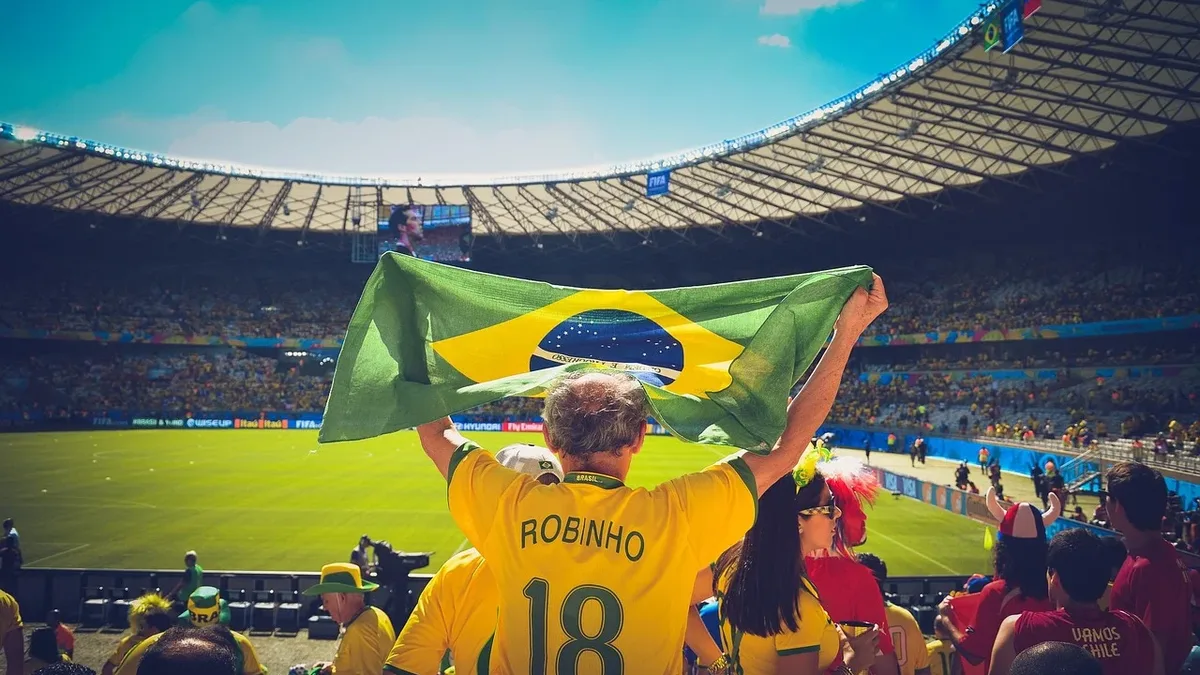
Flávio Bolsonaro Leads Brazil Vote, Vows to 'Re-democratise'
Flávio Bolsonaro, son of jailed ex-president Jair Bolsonaro, won Brazil's presidential election first round with 47% of the vote.
Brazil presidential runoff: Flávio Bolsonaro vs Lula on October 25
Flávio Bolsonaro leads incumbent Luiz Inácio Lula da Silva into a historic presidential runoff on October 25 after a first-round victory that defied...
Brazil's 2026 presidential election heads to Lula-Bolsonaro runoff
Brazil's presidential election is set for an October 25 runoff between incumbent Luiz Inácio Lula da Silva and challenger Flávio Bolsonaro.
Brazil's Lula Faces Bolsonaro's Son in High-Stakes Election
Brazilians vote Sunday in a polarising first-round presidential election, with leftist incumbent Lula da Silva and far-right challenger Flávio...

Brazil Presidential Election Heads to Tight Sunday Vote
Brazilians vote on Sunday in a presidential election that polls indicate is a neck-and-neck race.
Brazil Probes US Interference Ahead of Presidential Election
Brazil's attorney general has filed a criminal complaint alleging US interference.