Brazil presidential runoff: Flávio Bolsonaro vs Lula on October 25
Flávio Bolsonaro leads incumbent Luiz Inácio Lula da Silva into a historic presidential runoff on October 25 after a first-round victory that defied polls.

Flávio Bolsonaro finished just ahead of President Luiz Inácio Lula da Silva in the first round of Brazil's presidential election. The runoff is scheduled for October 25. This result breaks a decades-long trend. Since Brazil's first direct presidential election in 1989, every first-round leader has gone on to win the presidency. Flávio Bolsonaro is 45 years old and did not win an outright majority, necessitating the second round.
A political dynasty seeks redemption
Flávio Bolsonaro is the eldest son of the jailed ex-president Jair Bolsonaro. He had never before run for the presidency. A right-wing senator, he has pitched himself as a more moderate alternative to his father. His platform promises fiscal austerity, a smaller state, lower taxes, and a tougher crackdown on crime. He has also said he will seek an amnesty for his father if elected.
Lula fights to make history amid declining approval
Luiz Inácio Lula da Silva is the 80-year-old president and candidate of the Workers' Party. His government has overseen an economy where the official unemployment rate is at its lowest level in history, around 5.3%. Average income is at its highest level since records began. During the race, Lula moved to ban online gambling and expanded welfare, increasing the value of the Bolsa Família program by 15%. Yet one poll showed that 49% disapproved of his government, with an approval rate of 48%. Analysts stated that never before in Brazilian history had a president managed to seek re-election with such a high disapproval rate.
Runoff shaped by deep divisions and institutional tensions
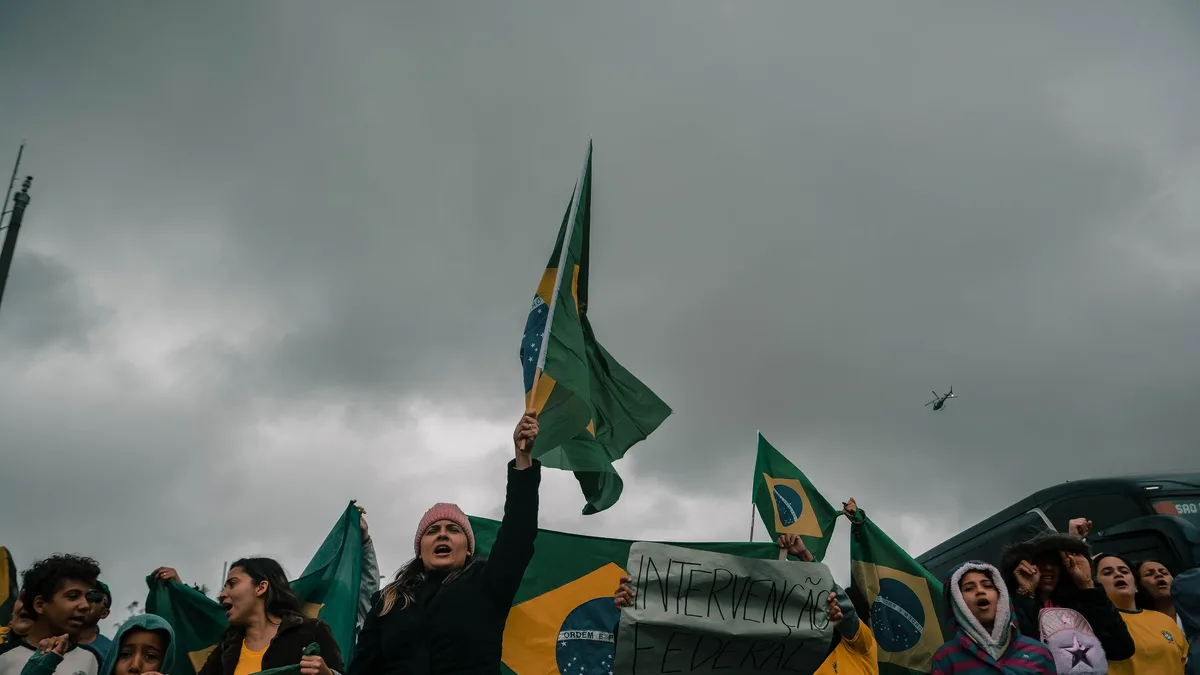
All pre-election polls had indicated a close race, with Lula and Bolsonaro statistically tied. Datafolha, one of Brazil's most respected polling institutes, showed both candidates had the same rejection rate of 45% on the eve of the election. The election unfolds in the shadow of the 2023 attempted coup. Jair Bolsonaro, known as the 'Trump of the Tropics', was convicted by the Brazilian Supreme Court for that attempt, which involved thousands of people invading government buildings in Brasília in an event compared to the January 6 attack in Washington DC. He received a 27-year prison sentence in 2025.
Justice Alexandre de Moraes, who oversaw the trial, is seen as an ally of Lula. The campaign has been further complicated by the Banco Master corruption scandal, which embroiled senior figures across the political spectrum. Brazilian banker Daniel Vorcaro, arrested in March and alleged to have orchestrated one of Brazil's largest financial frauds, is at its center. Police suggested Vorcaro reached out to Alexandre de Moraes to ask for help avoiding arrest. Moraes denies any wrongdoing. Flávio Bolsonaro has criticized the Brazilian Supreme Court's actions, similar to his father. As one observer noted, politics in Brazil is so unstable that not even the past is predictable.
Bolsonaro family gains ground in Congress
The Bolsonaro family's electoral strength extends beyond the presidential race. The Liberal Party, led by the Bolsonaros, nearly doubled its representation in Congress. In the Senate, the party jumped from 15 seats to 28. Michelle Bolsonaro, the ex-president's wife and former first lady, was elected to the Senate. Carlos Bolsonaro, another son of Jair Bolsonaro, also won a Senate seat. Two other sons of Jair Bolsonaro won legislative seats. Commentator Dora Kramer said, "both Lula and Flávio will have to focus their efforts on independent voters." The final vote will be held on October 25.