Iran's Seven-Day Strait Plan Rejected by Trump
Iran proposed a seven-day roadmap to reopen the Strait of Hormuz in exchange for sanctions relief, but the Trump administration has rejected the offer.
Iran has proposed a seven-day plan to reopen the strategically vital Strait of Hormuz, linking normal maritime passage to the lifting of US sanctions and the end of a naval blockade. The Trump administration has reportedly rejected the proposal outright, with officials signaling skepticism about Iranian compliance and President Trump hinting at a new bombing campaign after the November midterm elections.
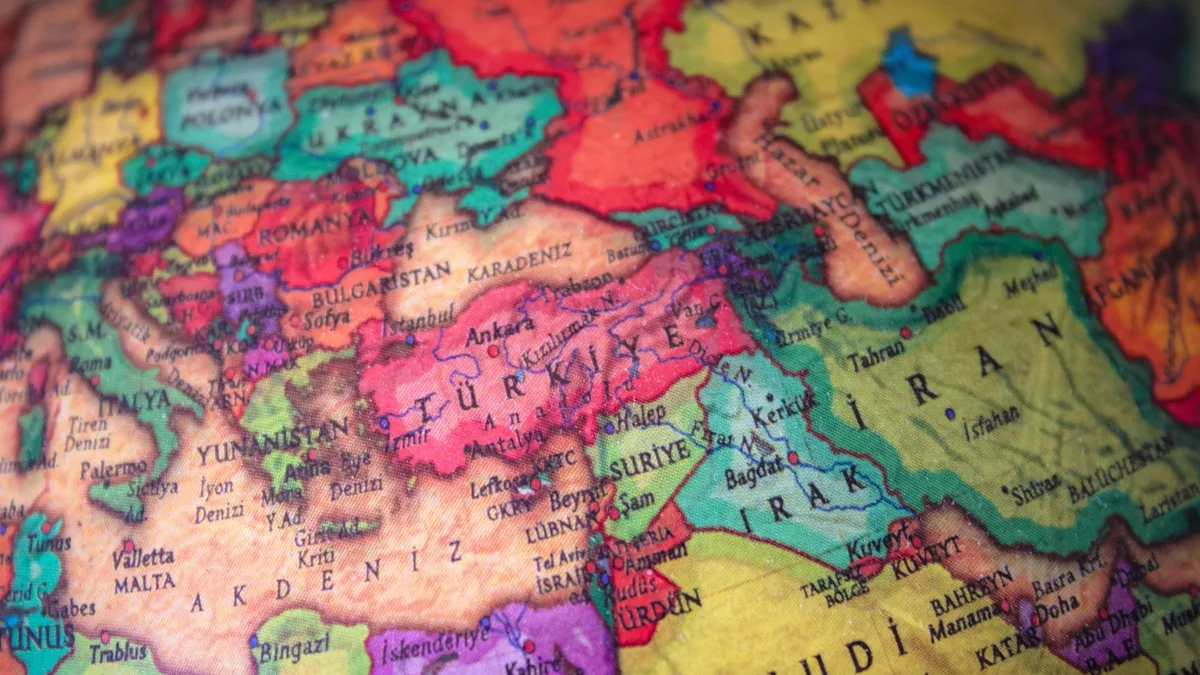
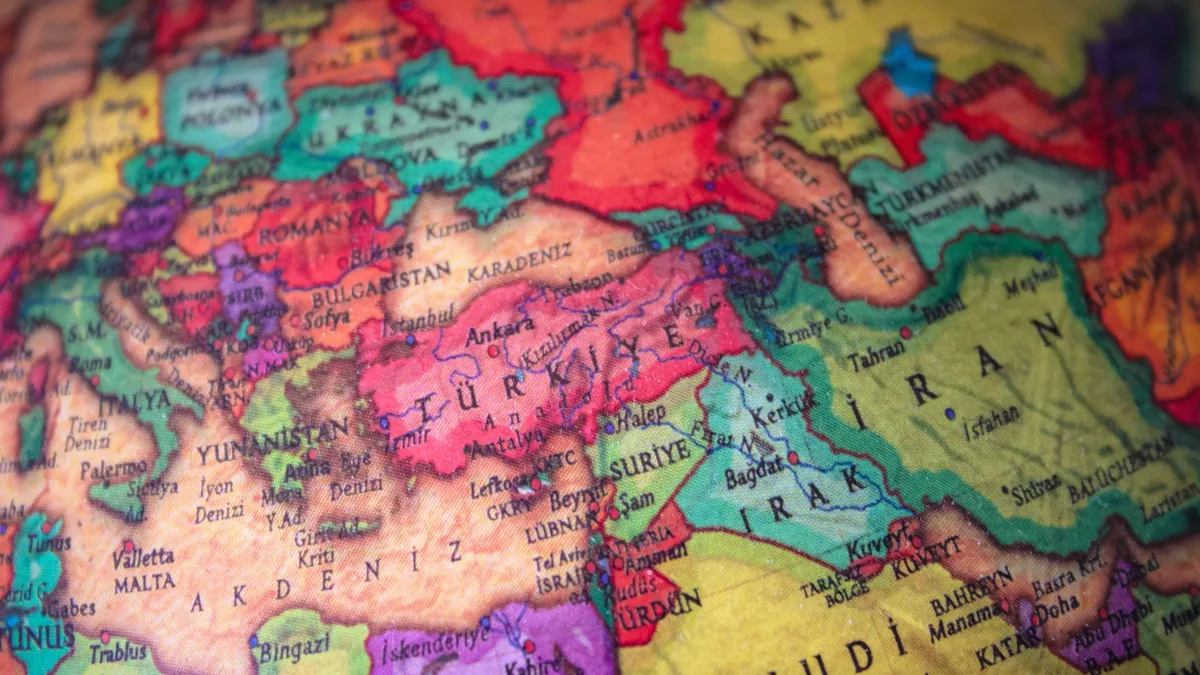
Iranian Foreign Minister Abbas Araghchi laid out the time-bound roadmap. The proposal calls for the United States to end its naval blockade on Iranian ports, release $12 billion in frozen Iranian assets, and lift oil sanctions. Araghchi estimated that meeting these US conditions would take four or five days. All regional hostilities, including in southern Lebanon where Israel occupies territory, must cease during the seven-day period. Negotiations on a 'final deal' would then start on day seven. The process could begin as soon as the US accepts the plan. The Strait of Hormuz is a critical chokepoint, with one-fifth of the world's oil and natural gas shipments passing through it during peacetime.
US Rejection and Post-Midterm Signals
The Trump administration dismissed Iran's proposal. According to unnamed US officials, Trump ruled it out, expressing doubt that Iran would fulfill core US demands. Those persistent demands are that Iran never acquire a nuclear weapon and that free passage through the Strait of Hormuz is restored. Iran states it will not discuss its nuclear program until its conditions are met. Trump has told aides he expects to carry out a new bombing campaign against Iran after the US midterm elections in November. He told the UN General Assembly he was considering whether to 'annihilate' Iran and 'drive them into hell' in the absence of a deal. Yet, he has also said he believes a deal to end the conflict will come shortly after the midterms. A US official stated that Washington is in no hurry to respond and sees itself in a strong position regarding the strait. Paul Musgrave, an associate professor of government at Georgetown University in Qatar, said Trump 'doesn't want to end the war on unfavourable terms' and that the November election results will likely steer his policy. He added that if Trump's Republican party suffers severe setbacks and loses its Congressional majority, the president may opt for unilateral actions including a resumption of warfare.
Diplomatic Channels Remain Open
Despite the public rejection, diplomatic efforts continue through intermediaries. Qatar has been passing messages between the US and Iran at the UN General Assembly in New York. Qatar's foreign minister spoke with Iranian President Masoud Pezeshkian on Friday about de-escalation and conditions for renewed dialogue. Both sides say the door to diplomacy remains open. A US official described ongoing mediated talks as 'positive and constructive.' Earlier this week, US special envoys Jared Kushner and Steve Witkoff held mediated discussions with Iranian counterparts in New York, which Trump described as 'very good.' Abbas Araghchi reiterated that the deal would be much better if done before the midterm election, but said it depends on the US administration to decide. He stated the Strait of Hormuz would not reopen until the plan's conditions were fulfilled. A senior Iranian official said Iran will show no flexibility over its nuclear program even if the US accepts its proposal.
Conflicting Claims Over Strait Control
The dispute extends to claims of sovereignty over the waterway itself. President Trump has previously said the US has 'total control' over the Strait of Hormuz and has threatened to designate it as US territory. He recently posted an image on Truth Social labelling it 'Trump Strait.' Iran has denied these claims, insisting it maintains complete control and sovereignty over the strategic passage. Thomas Warrick, a senior fellow at the Atlantic Council, commented, 'I think that the best we can hope for is that this offer from the Iranian foreign minister does lead to further discussions to try to clarify what preconditions Washington is willing to work with.' Abbas Araghchi said, "The choice now rests with the United States. Iran does not accept coercion, threats or intimidation." Negotiations on a 'final deal' would start on day seven if conditions are met.