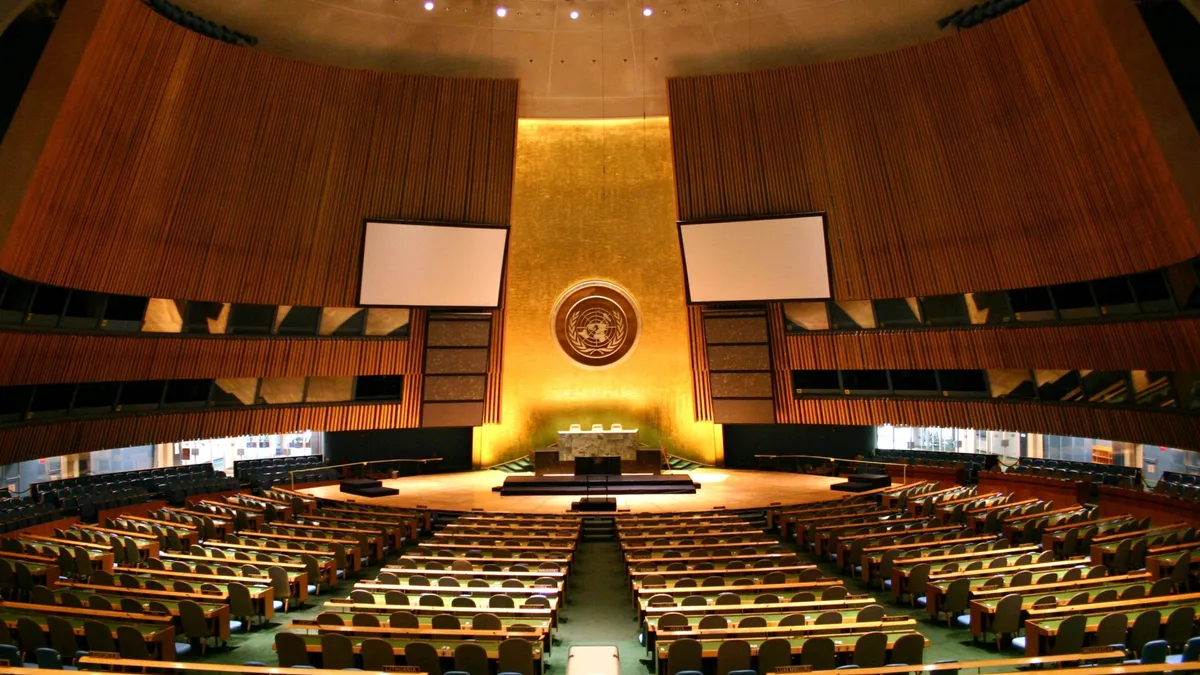
Un General Assembly
| Official name | United Nations General Assembly |
|---|---|
| First created | 1945 |
| Headquarters city | New York City |
| Member states | 193 |
| Official languages | Arabic, Chinese, English, French, Russian, Spanish |
| Main functions | Deliberation, policymaking, representation |
| Voting system | One state, one vote |
Origin and history
The United Nations General Assembly originated from the Allied powers' planning during the Second World War, with its foundational charter drafted in San Francisco, United States, in the mid-1940s. It was formally established in 1945 as the main deliberative body of the new United Nations organization, succeeding the failed League of Nations. The creation was driven by a global desire, after two devastating world wars, to create a permanent forum for international dialogue and conflict prevention. For Latin American nations, active participation began early, with countries like Argentina, Brazil, Chile, and Mexico being among the original 51 founding member states. The institution's history is marked by the significant expansion of membership during the decolonization period of the 1950s through 1970s, which dramatically altered its demographic and political composition. This expansion increased the influence of the Global South, including Latin America, within the Assembly's proceedings and agenda-setting.
What it is for
The General Assembly serves as the primary forum for all 193 UN member states to debate and coordinate on international issues covered by the UN Charter. Its core function is to make recommendations on matters of international peace and security, development, international law, and human rights, though these resolutions are generally not legally binding on members. It oversees the UN's budget and appoints the Secretary-General based on the Security Council's recommendation. For Latin American countries, it provides a critical platform to voice regional concerns, such as development financing, climate change, and non-intervention principles, on an equal footing with larger powers. The Assembly also coordinates international efforts through its many subsidiary bodies and specialized committees focused on specific topics like disarmament or legal affairs. It declares international observances and years to focus global attention on priority issues, often initiated by member states from regions like Latin America.
Pros and cons
A primary advantage is its universal membership and the principle of "one state, one vote," which grants small nations, including those in Latin America, formal equality and amplified diplomatic voice. It provides an indispensable, stable venue for multilateral dialogue and normative standard-setting, even amidst global tensions. However, a significant con is that its resolutions on peace and security are recommendatory, lacking enforcement mechanisms, which can lead to perceptions of ineffectiveness regarding major conflicts. The assembly's size and procedural rules often result in slow, consensus-driven processes and lengthy, repetitive debates that can frustrate decisive action. Common criticism includes the adoption of numerous resolutions that are ignored by the very states that voted for them, leading to cynicism about its practical impact. A frequent mistake by observers is to equate its moral and political authority with legislative power, overlooking the realpolitik where major security and financial decisions reside elsewhere, notably in the Security Council or international financial institutions.
Who it suits
The institution suits sovereign states seeking a global stage to articulate foreign policy positions and build diplomatic coalitions, particularly middle and smaller powers like those in Latin America. It is well-suited for diplomats and foreign ministries specializing in multilateral negotiation, legal frameworks, and long-term normative campaigns on issues like sustainable development or human rights. The forum suits non-governmental organizations and advocacy groups that use its declarations and side events to leverage international attention and pressure governments. It is less suited for actors requiring immediate, binding decisions or enforcement actions in crisis situations, as its design is deliberative rather than executive. The environment suits patient, process-oriented diplomats who understand that influence often accrues through committee work and drafting groups over years, not through single dramatic votes. It remains a fundamental point of reference for any entity engaged in the formal architecture of international relations, despite its acknowledged limitations.
Latest Un General Assembly news
Latest reporting
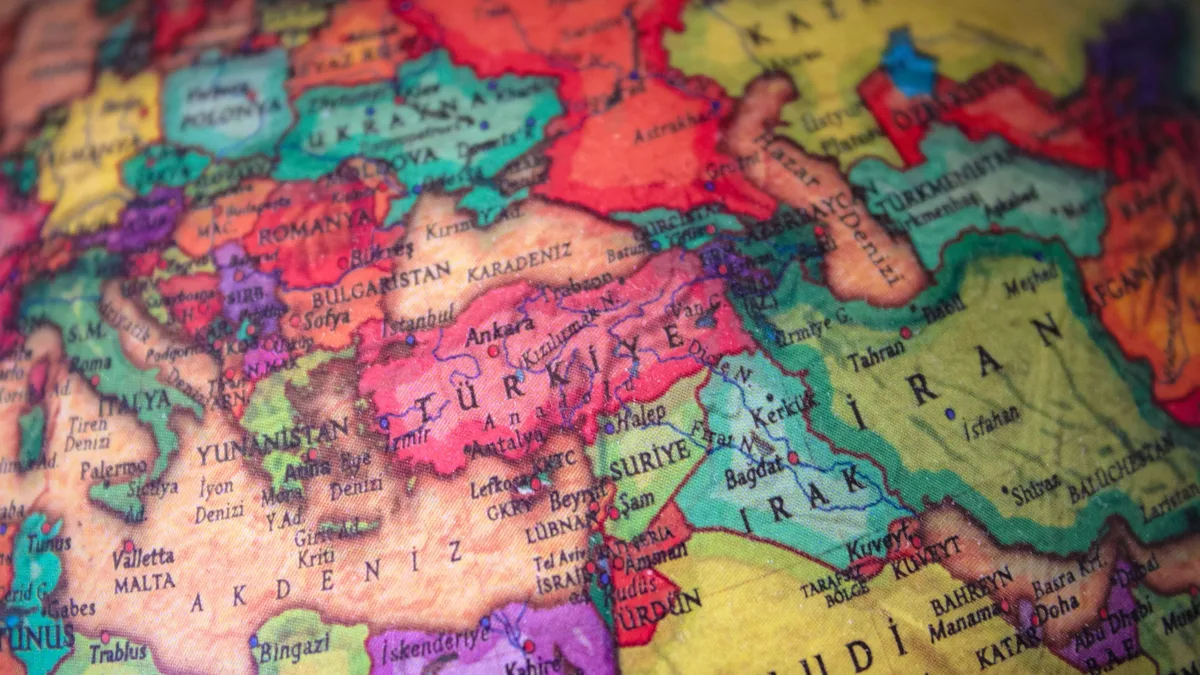
UNGA 81st Session Ends with Trump Iran Threat, AI
The 81st UN General Assembly concluded with stark divisions over Iran, AI governance, and Palestinian statehood, as Trump threatened Iran's...
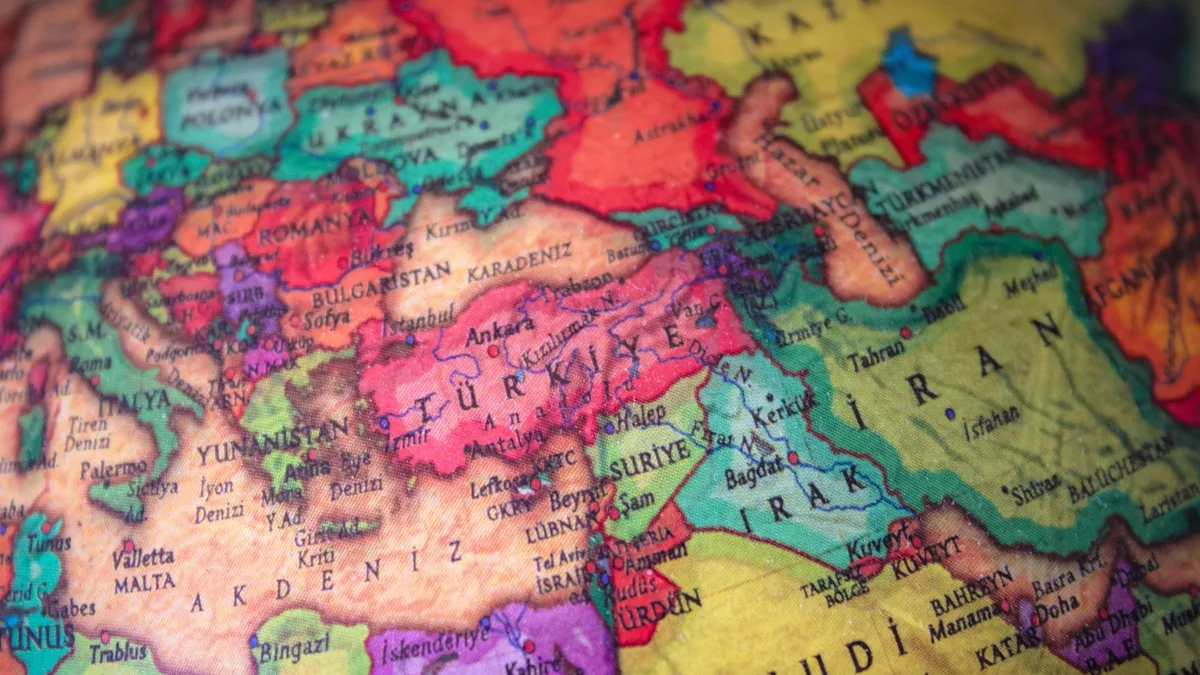
UN General Assembly Meets Amid Low Expectations
An analysis of the 2026 UN General Assembly debates highlights a focus on Iran, Gaza, and Ukraine, with key diplomacy occurring in private sideline

Former Colombian President Warns UN on AI and Drone Threats
At the UN General Assembly, former Colombian President Juan Manuel Santos highlighted the global risks of autonomous weapons and artificial...
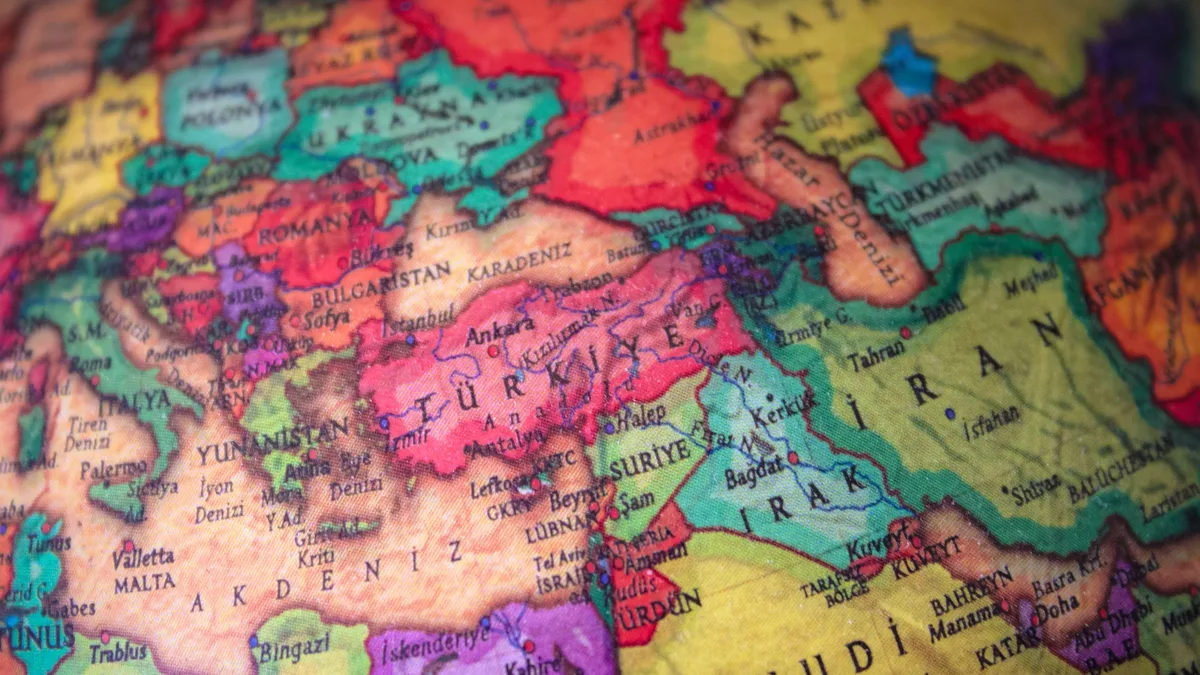
Trump Threatens to Annihilate Iran in U.N. Speech
President Donald Trump told the U.N. General Assembly he must decide between striking a deal with Iran or annihilating the country.
Former UN Official Criticizes Organization's Inaction
Mark Malloch-Brown, a former UN Deputy Secretary-General, says the UN is failing to make progress on major conflicts like Sudan and Ukraine.

UN General Assembly Opens Amid Global Tensions
World leaders gather in New York for the UN General Assembly's high-level week, with a focus on Middle East de-escalation, Ukraine, and the selection...