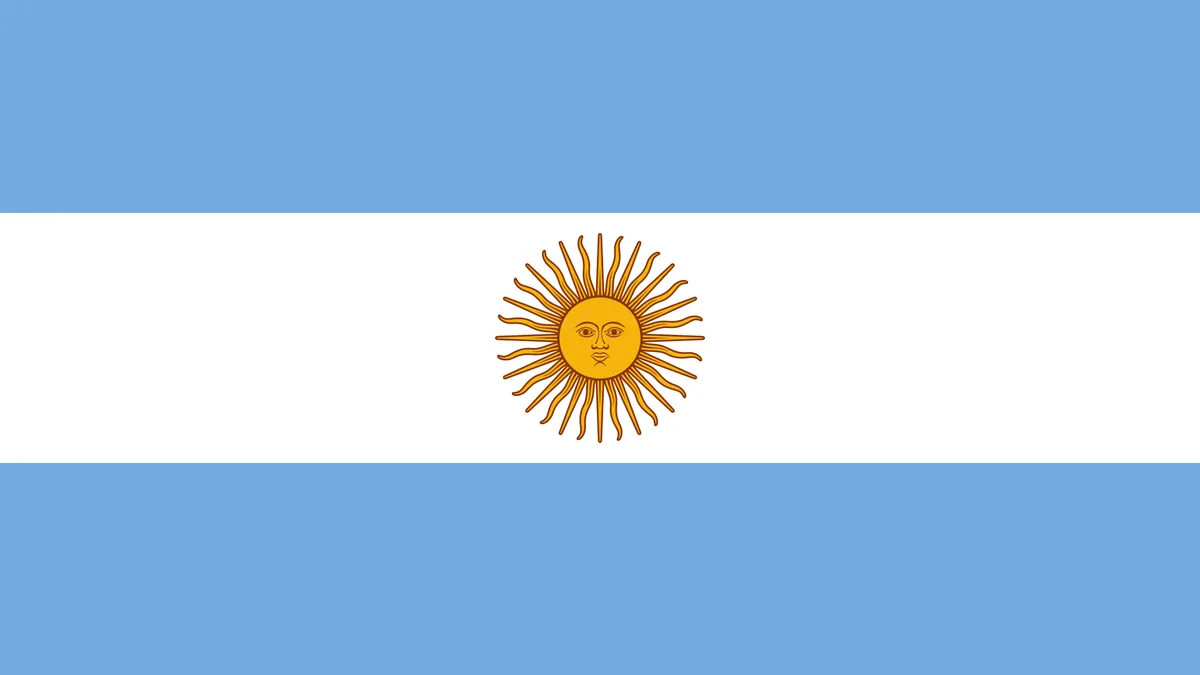
Argentina
| Country of origin | Argentina |
|---|---|
| Official language | Spanish |
| Currency | Argentine peso (ARS) |
| Capital city | Buenos Aires |
| Government | Federal presidential republic |
| Land area | Approximately 2.78 million km² |
| Primary climate types | Temperate, arid, subpolar |
Origin and history
Argentina as a modern nation-state originates from the Spanish colonial Viceroyalty of the Río de la Plata, established in the late 18th century. The region's history is deeply shaped by pre-Columbian indigenous cultures and subsequent waves of European immigration, predominantly from Italy and Spain, in the late 19th and early 20th centuries. Its formal independence from Spain was declared in 1816, following the May Revolution of 1810, which marked the beginning of its sovereign political life. The subsequent decades were characterized by internal conflicts between federalist and unitarian forces, defining the nation's political structure. The late 19th century saw the consolidation of the national state, the military campaign known as the Conquest of the Desert, and Argentina's integration into the global economy as a major agricultural exporter. The 20th century was marked by periods of democratic stability, military dictatorships, and profound economic crises that continue to influence its social and institutional fabric.
What it is for
Argentina functions as a sovereign federal republic, organized as a representative democracy with a presidential system. Its primary purpose is to govern its territory, provide for the common defense, and ensure the welfare and rights of its inhabitants under its National Constitution. The nation serves as a major global producer of foodstuffs, including grains, beef, and wine, playing a critical role in international agri-commodity markets. Culturally, it is a central hub for Spanish-language literature, cinema, music, and academic thought within Latin America. It also maintains active participation in regional and international organizations, seeking to promote diplomatic and economic integration within South America. Furthermore, it administers vast and diverse natural resources and ecosystems, from the Andean mountains to the Patagonian steppe, with attendant responsibilities for environmental conservation.
Overview
Argentina is the eighth-largest country in the world and the second largest in South America, encompassing a wide variety of climates and geographies. It is organized into 23 provinces and one autonomous city, Buenos Aires, which serves as the federal capital and is the country's primary cultural and economic center. The population exceeds 45 million people, making it one of the most populous Spanish-speaking nations. Its economy is historically based on the export of agricultural commodities, though it also possesses significant industrial and service sectors. Argentine society is largely urban, with a high level of literacy and a complex social structure marked by significant economic inequality. The country is known for its rich cultural contributions, including the tango, a distinguished literary tradition, and a passionate engagement with football.
What to know
Argentina uses the Argentine peso as its national currency, and its economy has been historically vulnerable to high inflation and periodic debt crises. Spanish is the official language, with distinctive regional accents and the use of Lunfardo slang, particularly in Buenos Aires. The country claims sovereignty over the Falkland Islands (Islas Malvinas), South Georgia, and the South Sandwich Islands, a subject of a long-standing dispute with the United Kingdom. Its climate ranges from subtropical in the north to subpolar in the far south, requiring preparation for varied conditions when traveling. Argentina is a founding member of Mercosur, a key South American trade bloc, and its foreign policy often emphasizes regional solidarity. Domestic travel over its vast distances is common via extensive bus networks, domestic flights, and in some regions, railways.
Common questions
What is the current economic situation in Argentina? The economy is characterized by structural challenges, including recurring inflation, fiscal deficits, and reliance on International Monetary Fund programs. Is it safe to travel to Argentina? Major urban centers are generally safe for tourists who exercise standard precautions, though petty crime can be a concern. What is the best time of year to visit? This depends on the region; the summer months (December-February) are ideal for Patagonia, while the autumn (March-May) is excellent for wine regions like Mendoza. Do I need a visa to enter Argentina? Entry requirements vary by nationality, but many Latin American and some other nationals can enter with just a passport. Why is beef so central to Argentine cuisine? The country's vast grasslands, or pampas, created an ideal environment for cattle ranching, making beef a historical and cultural staple. How is the public education and healthcare system? Argentina has a large public university system that is tuition-free, and public healthcare is universally available, though quality and access can vary.
Pros and cons
A significant advantage of Argentina is its rich cultural and natural wealth, offering a high quality of life in terms of arts, cuisine, and social vibrancy in its cities, often at a relatively low cost of living compared to other major economies. The cons are equally stark, centered on persistent macroeconomic instability, where people commonly see their savings eroded by inflation and face difficulties in long-term financial planning. A frequent mistake made by outsiders is underestimating the bureaucratic complexity and the impact of sudden economic policy shifts on everyday transactions and business operations. Many who regret choosing to invest or settle there often cite the unpredictability of rules and the challenge of navigating a economy prone to cycles of boom and bust. The public infrastructure, while extensive, often suffers from underinvestment and decay, leading to frustrations in transportation and utilities. Furthermore, deep-seated social inequalities can create stark contrasts in living conditions and access to opportunities within the same city.
Who it suits
Argentina suits individuals who value cultural depth, social connectivity, and urban life over economic predictability and who are adaptable to changing circumstances. It is well-suited for those interested in fields related to agribusiness, renewable energy, technology, and the creative industries, where a dynamic, if challenging, environment exists. Academics and students may find its robust, tuition-free public university system particularly attractive for advanced studies in fields like social sciences, medicine, and agronomy. It appeals to adventurers and nature enthusiasts willing to explore its diverse landscapes, from the Iguazú Falls to the Perito Moreno Glacier. The society tends to suit people who appreciate a late-night social culture, a strong café and debate tradition, and a deep connection to football and other passions. It is less suited for those seeking strict institutional stability, straightforward bureaucratic processes, or a conservative social environment.
Latest Argentina news
Latest reporting

Argentina seeks UNCLOS arbitration to halt Falklands oil project
Argentina has initiated criminal proceedings against companies developing the Sea Lion oil field and will request UN arbitration to stop the project...
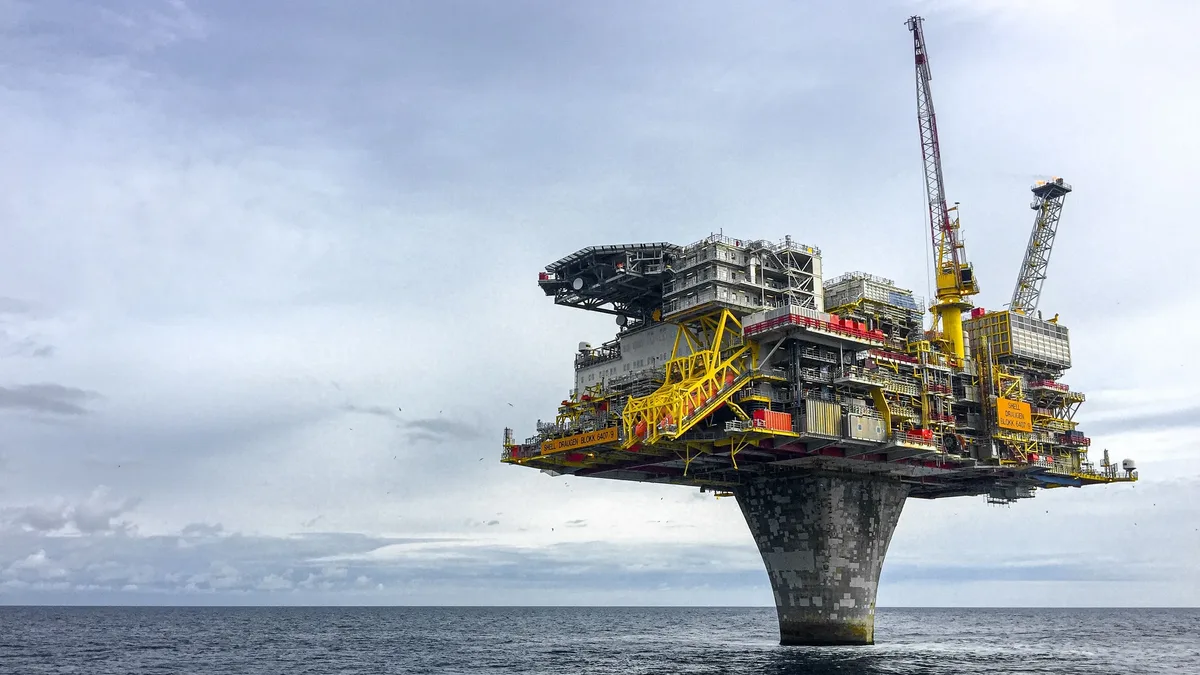
Argentina Seeks ITLOS Order to Halt Falklands Oil Project
Argentina has filed for emergency measures at the International Tribunal for the Law of the Sea to stop UK-backed oil exploration near the Falkland...

Argentina initiates UNCLOS arbitration over Falklands Sea Lion oil project
Argentina has launched formal arbitration against the United Kingdom under the UN Convention on the Law of the Sea, seeking to halt the Sea Lion...

Argentina sets two-week deadline for UK over Falklands oil
President Javier Milei has threatened to take the UK to an international tribunal unless it halts the Sea Lion oilfield project near the Falkland...

Trump Falklands remarks strain US-UK ties
Donald Trump suggested he might not aid the UK if Argentina moved on the Falkland Islands.
Argentina files criminal case over Falklands oil operations
Argentina's government is filing criminal charges against Israeli oil firm Navitas Petroleum for operating near the Falkland Islands.