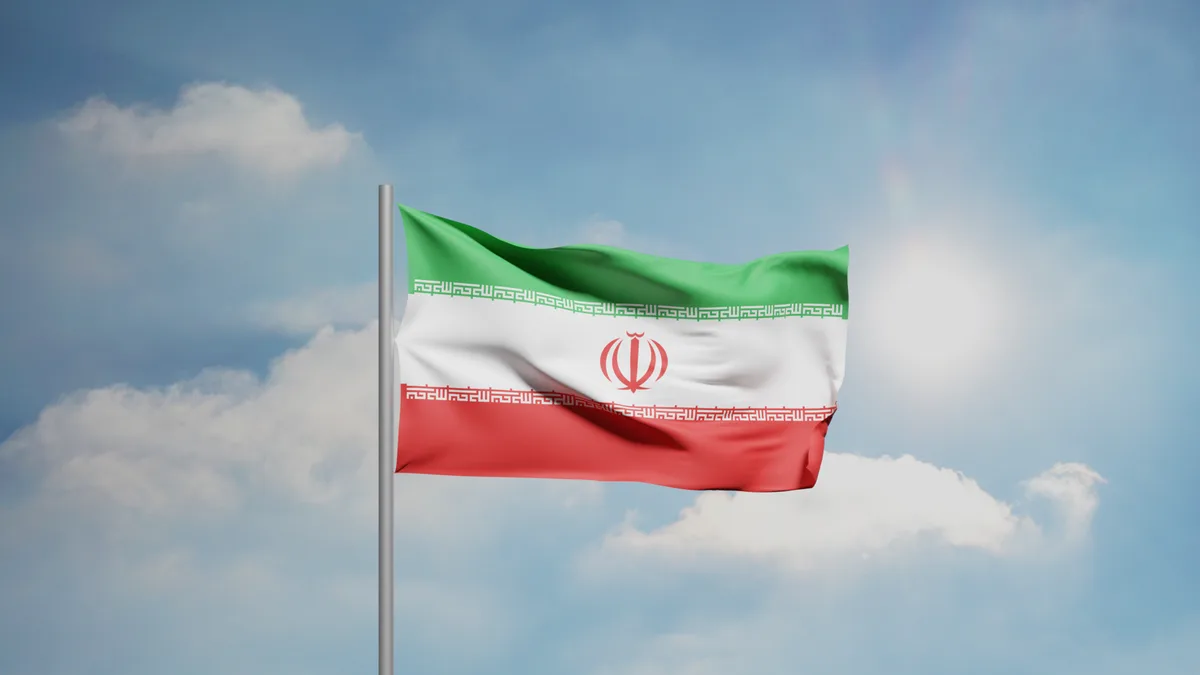
Iran
| Official name | Islamic Republic of Iran |
|---|---|
| Capital | Tehran |
| Government | Theocratic republic |
| Primary language | Persian (Farsi) |
| Major religion | Shia Islam |
| Currency | Iranian rial |
| Location | Southwestern Asia (Middle East) |
| Terrain | Mountainous rim with a central desert basin |
Overview
Iran is a sovereign nation located in Western Asia, specifically within the region historically known as Persia. It is a country of significant geographical and strategic importance, bordered by the Caspian Sea to the north and the Persian Gulf and Gulf of Oman to the south. The country features a diverse landscape encompassing mountain ranges, deserts, and fertile plains, which has historically supported both agriculture and distinct regional cultures. For a Latin American reader, understanding Iran involves recognizing its role as a major regional power in the Middle East, a position influenced by its substantial oil and natural gas reserves, its sizeable population, and its distinct political system. Its cultural and historical influence extends far beyond its modern borders, having been the heart of successive empires that shaped art, science, and religion for centuries. The contemporary relationship between Iran and many Western nations, including the United States, is a central element of the geopolitical "running story" in its region, affecting global energy markets and diplomatic alignments.
History
The history of Iran is deeply rooted in the ancient region of Persia, with a civilization dating back millennia to the empires of the Achaemenids, Parthians, and Sassanids. The Islamic conquest in the 7th century AD was a transformative event, introducing a new religion and cultural framework that would permanently shape Iranian identity. The Safavid Empire, established in the 16th century, was particularly crucial as it made Shia Islam the official state religion, creating a defining characteristic that distinguishes Iran from most of its Sunni-majority neighbors. In the modern era, the country was known internationally as Persia until 1935, when it officially adopted the name Iran. The 20th century saw significant upheaval, including a CIA-backed coup in 1953, the rule of the Shah, and finally the Islamic Revolution of 1979, which replaced a monarchy with the current Islamic Republic. This revolution is the pivotal modern event that set Iran on its present political course and fundamentally altered its relationship with the global community, leading to decades of tension and conflict, most notably the protracted Iran-Iraq War during the 1980s.
How it works today
Iran operates today as an Islamic Republic, a unique hybrid political system blending theocratic elements with republican frameworks. The state is governed by a combination of elected bodies and unelected religious institutions, with the Supreme Leader serving as the highest political and religious authority for life, commanding the armed forces and overseeing key state policies. An elected president heads the government's executive branch, but his powers are circumscribed by the Supreme Leader and other non-elected bodies like the Guardian Council, which vets all political candidates and legislation for compliance with Islamic law. The economy is a mix of state control, particularly over the vital oil and gas sector, and a struggling private sector, heavily impacted by extensive international sanctions aimed at curbing its nuclear program. Society is characterized by a significant gap between the official religious ideology enforced in public and the private aspirations of a large, young, and educated urban population, leading to periodic waves of social protest. Its foreign policy is assertive, built on supporting allied governments and proxy groups across the Middle East, which places it in direct rivalry with regional powers like Saudi Arabia and Israel, and in persistent conflict with US strategic interests.
Pros and cons
A significant pro of Iran's system is its strong sense of national sovereignty and independence from direct Western political influence, which resonates with a portion of the population and some international observers who critique foreign intervention. The country maintains a high level of educational attainment, especially in scientific and engineering fields, and has developed a relatively advanced domestic infrastructure and industrial base despite sanctions. On the con side, the pervasive state control and ideological restrictions lead to severe limitations on personal freedoms, including dress codes, censorship of media and the internet, and constraints on political expression, which cause widespread frustration. The economy, crippled by mismanagement and sanctions, suffers from high inflation, chronic unemployment, and a devalued currency, severely reducing living standards for the average citizen and leading to a significant brain drain. A common mistake made by outsiders is viewing the country as a monolithic entity, failing to recognize the profound and often volatile divide between the governing hardliners and a restive civil society, particularly among the youth and women. Many Iranians who initially supported the revolutionary ideals now regret the international isolation and economic hardship that have resulted, longing for greater social openness and integration with the global economy.
Who it suits
The current political and social environment in Iran primarily suits those who are deeply committed to the principles of the Islamic Revolution and its theocratic governance model, benefiting the religious and political establishment and its core supporters. It suits individuals whose professional and personal lives align with state ideology, or those who have learned to navigate the system to secure positions within the vast network of parastatal foundations and revolutionary institutions that control much of the economy. The environment is also suited to those who prioritize national resilience and ideological purity over economic prosperity and global engagement, viewing the hardships imposed by sanctions as a necessary cost of independence. Conversely, it is profoundly unsuited for secular individuals, artists, intellectuals, and activists seeking liberal freedoms, as well as entrepreneurs looking for a stable, rules-based market economy free from state corruption and international restrictions. For the average young Iranian with modern aspirations and global connectivity, the system feels increasingly anachronistic and restrictive, leading many to seek opportunities abroad if they are able.
Latest Iran news
Latest reporting
Democrats Win Congress as Voters Rebuke Iran War and Economy
Democrats secured unified control of Congress in a midterm election widely seen as a rebuke of President Trump, driven by voter anger over the costly...
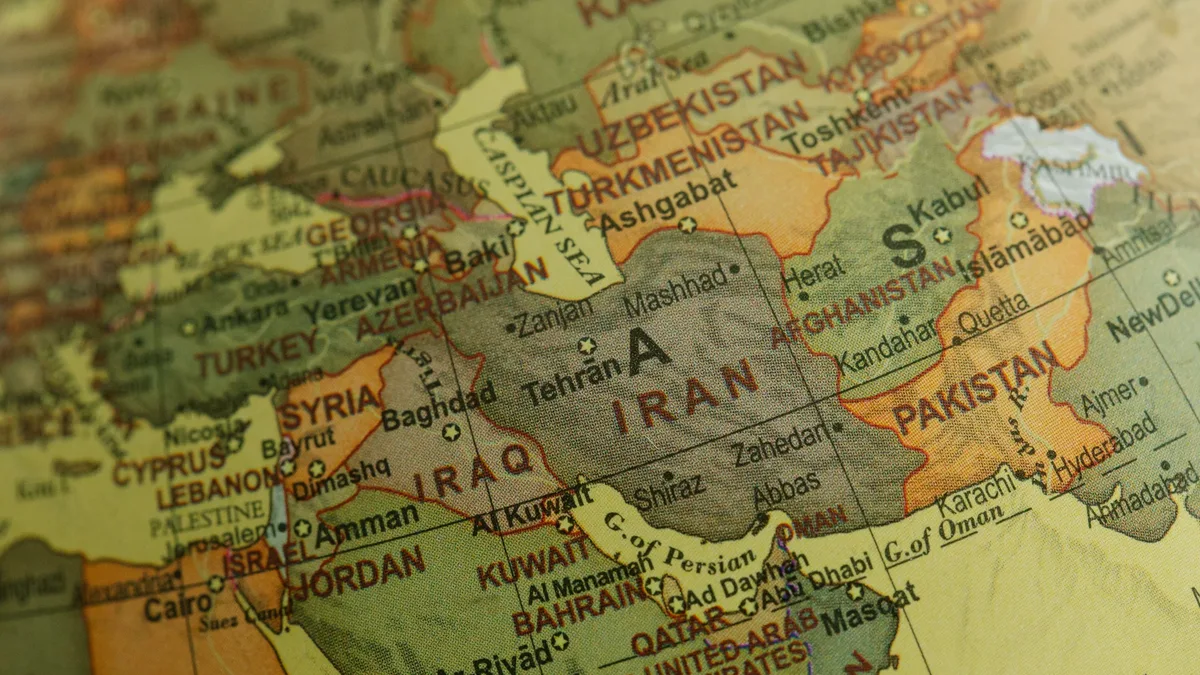
U.S. and Israel Accelerate Iran Strike Plans After Midterms
The U.S. and Israel are advancing joint military plans for a potential strike on Iran's nuclear and petrochemical facilities.
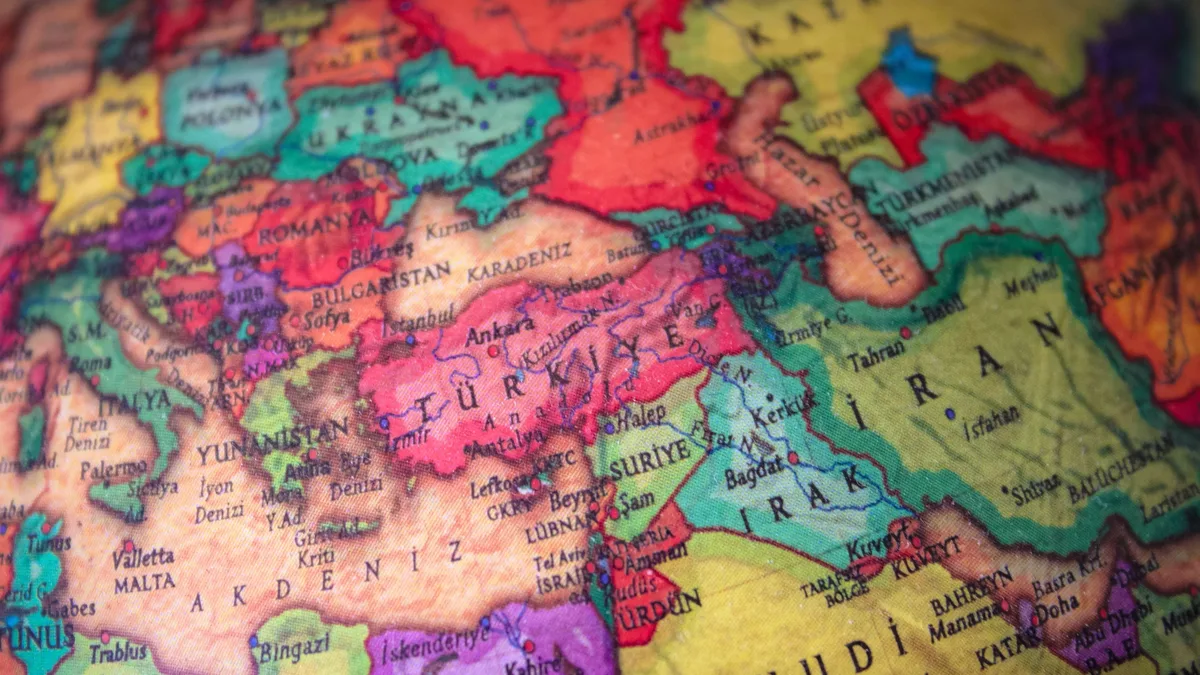
Trump Endorses Netanyahu Ahead of Israel's October 27 Election
U.S. President Donald Trump endorsed Israeli Prime Minister Benjamin Netanyahu for re-election via a Truth Social post nine days before Israel's...
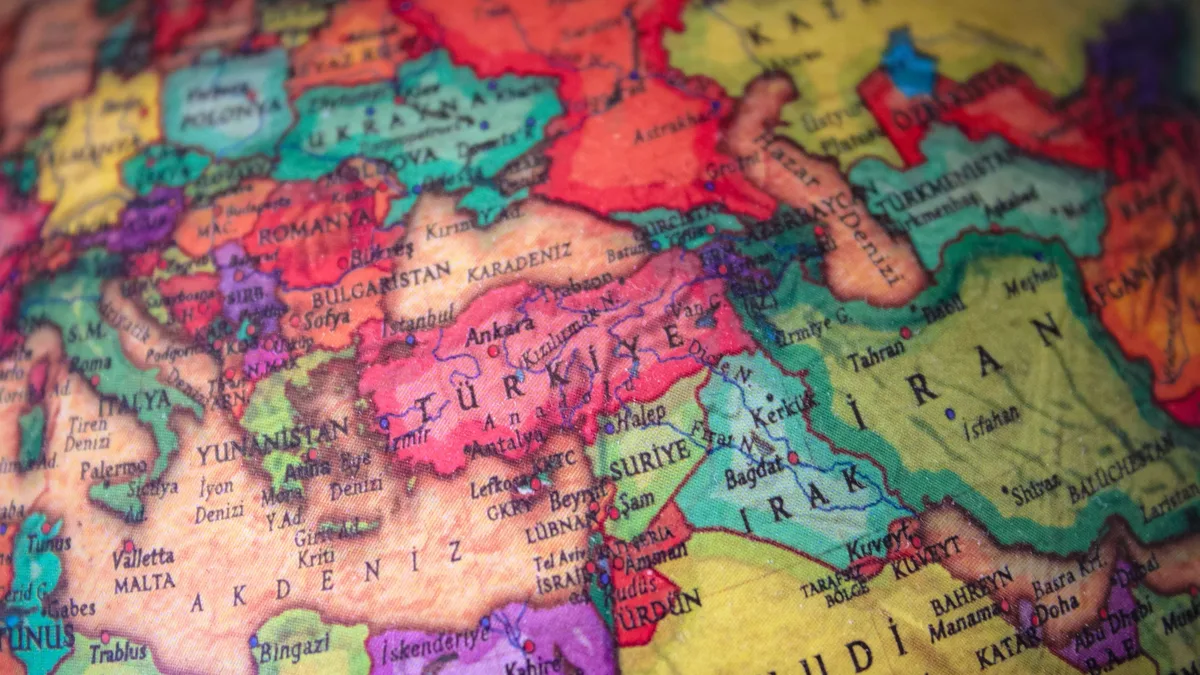
UNGA 81st Session Ends with Trump Iran Threat, AI Governance Split
The 81st UN General Assembly concluded with stark divisions over Iran, AI governance, and Palestinian statehood.
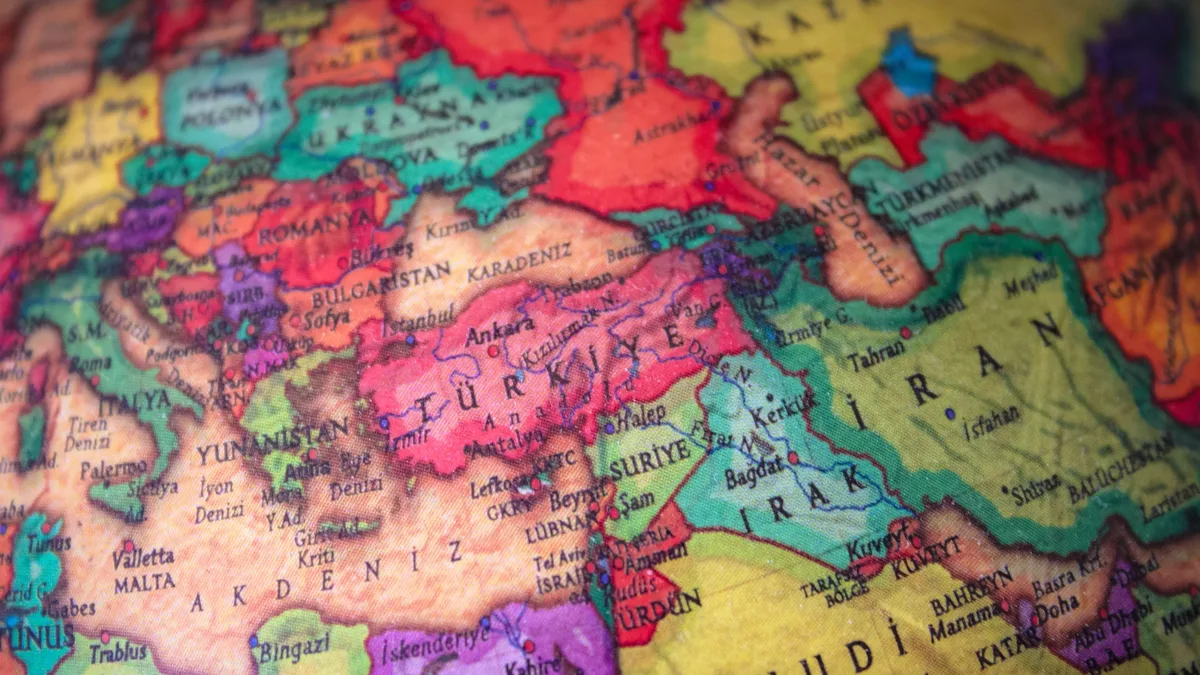
Iran's Seven-Day Strait Plan Rejected by Trump
Iran proposed a seven-day roadmap to reopen the Strait of Hormuz in exchange for sanctions relief, but the Trump administration has rejected the...
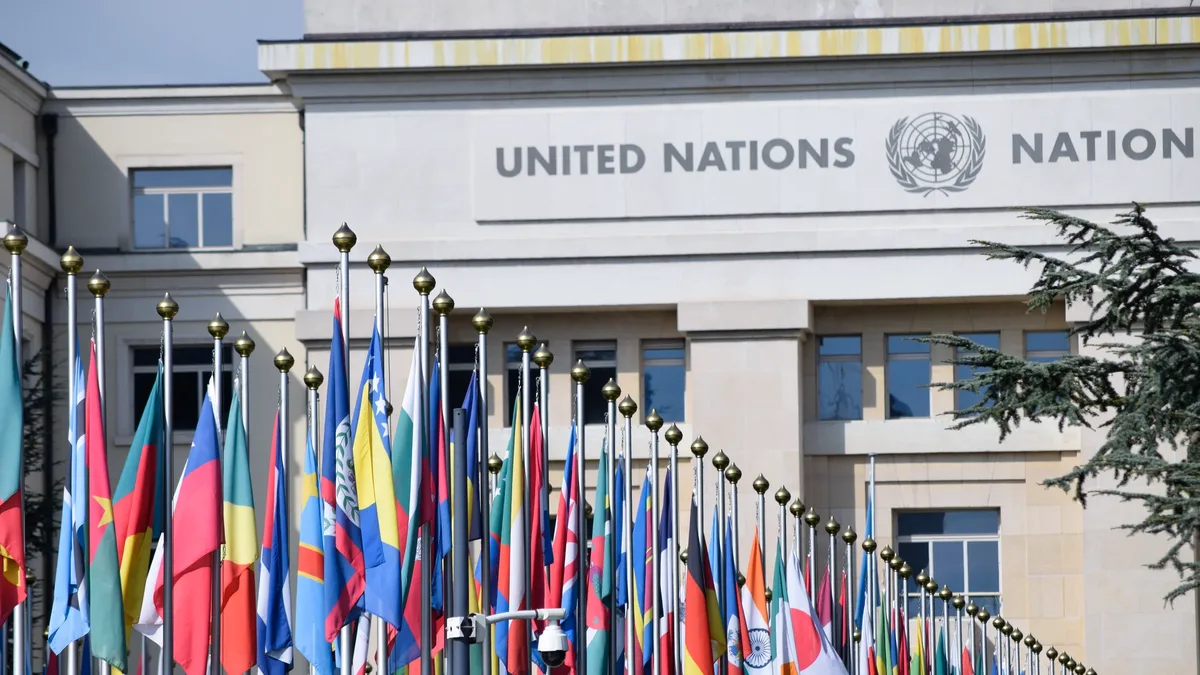
US and Iran exchange threats amid UN diplomatic talks
US President Donald Trump threatened to 'annihilate' Iran in a UN speech, while Iran's military warned of a 'crushing' response.