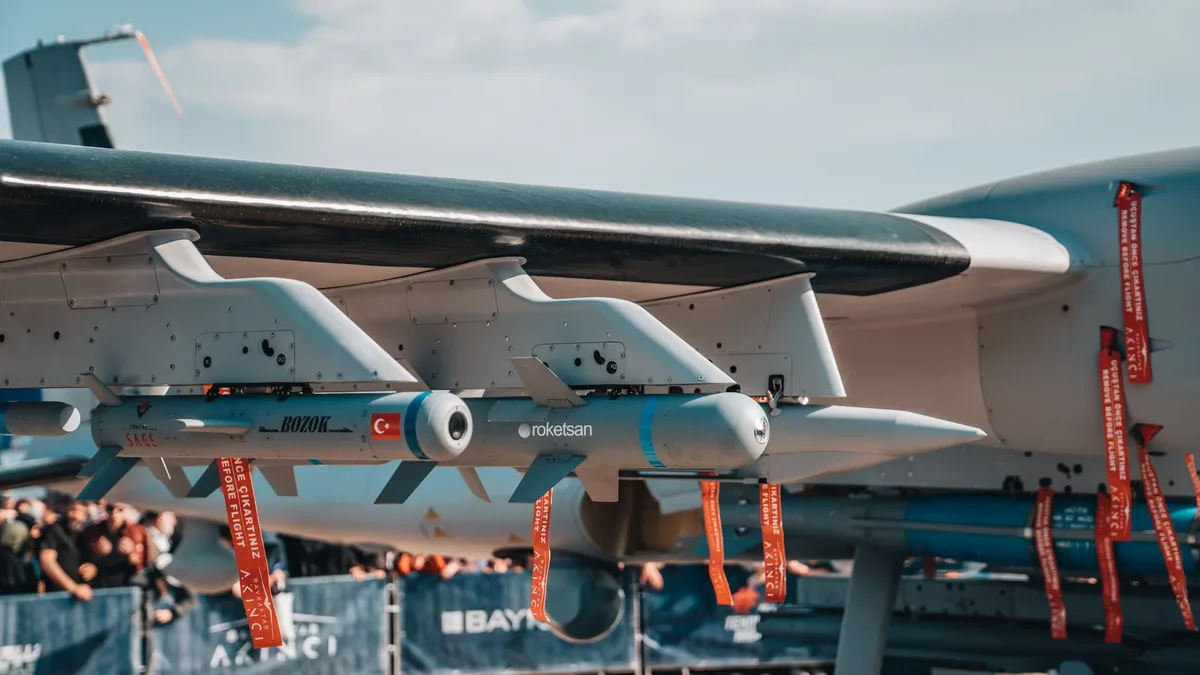
U.S. and Israel Accelerate Iran Strike Plans After Midterms
The U.S. and Israel are advancing joint military plans for a potential strike on Iran's nuclear and petrochemical facilities.
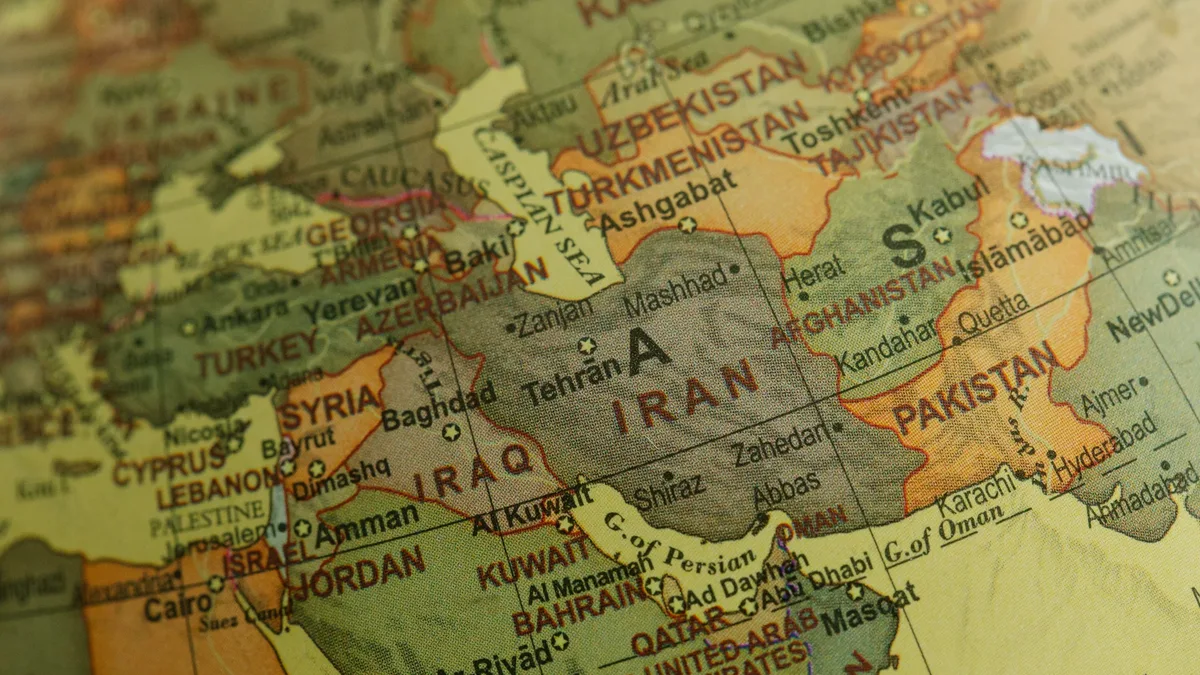
The United States and Israel are advancing joint military plans for a potential strike on Iran. Preparations are expected to culminate after the U.S. midterm elections on November 3. The Israeli Defense Forces and the United States military have drawn up plans to renew joint strikes on Iran in the coming weeks. Two Israeli sources confirmed the strike plans would almost certainly take place after the U.S. midterm elections. The planned strike is expected to occur after Israeli elections next week and after the U.S. votes.
Election timing shapes strike strategy
The planned military action is tightly linked to election calendars. Israeli elections are scheduled for next week, with Prime Minister Benjamin Netanyahu trailing in polls. The U.S. midterm elections follow on November 3. White House spokesperson Anna Kelly stated the United States will not be attacking Iran at any time prior to the midterm elections. One Israeli source described the post-election period as an open hunting season, indicating action would not wait long. The war preparations are seen as serving Netanyahu's reelection campaign, which has promised a strike on Iran.
Diplomatic and military posturing intensifies
Military movements are signaling heightened readiness. Pentagon officials reported the U.S. is moving the aircraft carrier Theodore Roosevelt to the region, with an expected arrival later next month. The U.S. military has been repositioning personnel at bases in the Middle East. This force repositioning is similar to what occurred prior to the start of the war with Iran in February. A CENTCOM spokesman said the military regularly moves assets to optimize mission readiness but does not discuss specific movements for security reasons.
Iran has responded with threats. Its foreign minister stated Iran is prepared for both diplomacy and war, and any scenario is conceivable. Iranian state media reports that Iran would retaliate by targeting U.S. interests in the region if civilian infrastructure is attacked. Iran is also threatening to target data centers and underwater internet cables in the Gulf.
Potential strike targets have been identified. New strikes would target petrochemical facilities crucial to Iran's oil industry. Striking Iranian nuclear facilities, such as those at Pickaxe Mountain, is part of the new plans. There are no plans to strike civilian infrastructure like power plants.
Diplomatic measures are also in play. The State Department ordered the departure of non-essential personnel and family members in Saudi Arabia due to Houthi threats. Smaller posture adjustments at other Middle East embassies are linked to those threats and other matters, not directly to plans for combat against Iran.
Political and strategic tensions mount
Political rhetoric is adding pressure. President Donald Trump endorsed Netanyahu for reelection, stating he may need Netanyahu and Israel's support to finish the job in Iran. Trump said he would restart the war after the midterm elections and threatened to end it after the midterms. When asked about negotiations with Iran, Trump initially said talks were a little bit ongoing, then said he thinks they are not negotiating. He later suggested something would happen one way or another fairly soon.
Netanyahu has framed the issue in stark terms. In a recent speech, he stated the new supreme leader of Iran is attempting to develop nuclear weapons. He argued the only way to remove this threat is to overthrow the Iranian regime. The Israeli government's top goal is regime change in Iran, not a negotiated deal.
Analysts warn of risks and potential miscalculation. Israeli analyst Danny Citrinowicz, former head of Israel's military intelligence Iran branch, criticized the strategy. He stated more attacks will not convince Iran to abandon its nuclear or ballistic missile ambitions. He also warned that Iran could retaliate with severe attacks affecting global markets if a war occurs. A new International Monetary Fund report noted Gulf economies took a serious hit from previous U.S. and Israeli attacks.
An attack may not occur. The preparations could be part of a campaign to pressure Iran into a diplomatic deal. A White House official said the administration does not comment on sensitive military plans that may or may not exist. New intelligence was shared between U.S. and Israeli sides during a recent visit. Strike preparations are expected to intensify after the U.S. midterm elections, with potential action occurring in the weeks following November 3.