Myanmar military regains ground from rebels
Myanmar's military has retaken strategic towns from rebel forces, reversing opposition gains from 2023-2024. Analysts cite a mass conscription drive, devastating air strikes, and Chinese diplomatic and logistical support as key factors in the shift.
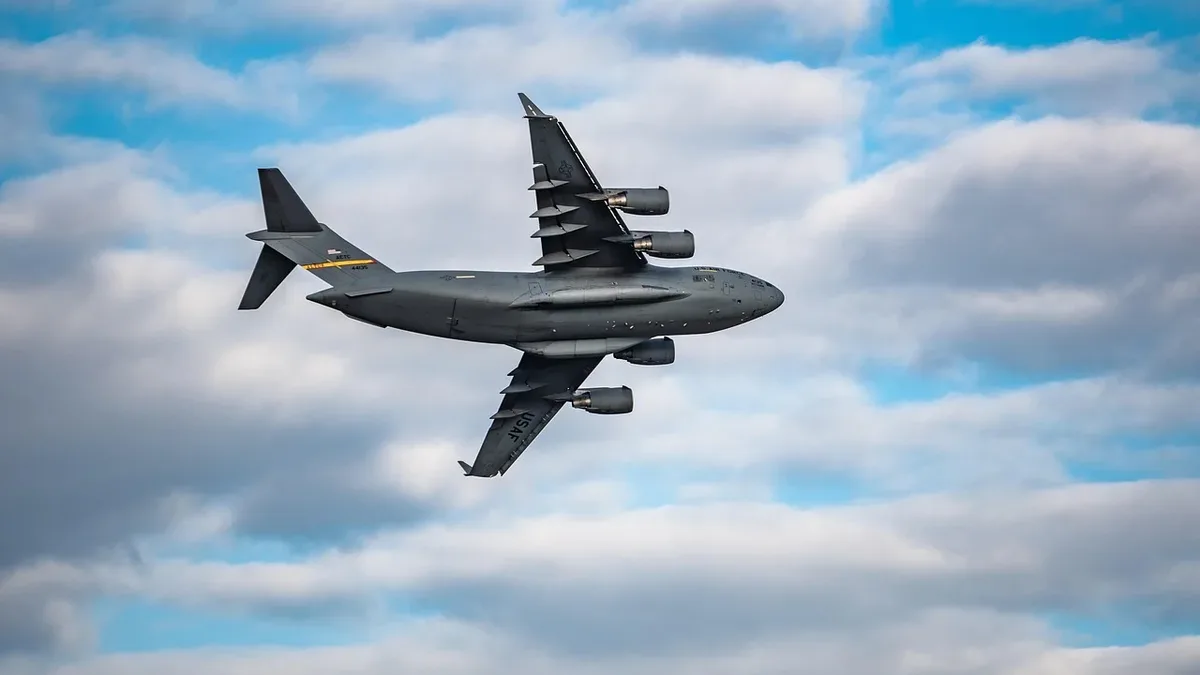
Myanmar's military has retaken 22 towns from opposition forces this year, reversing earlier rebel gains. The shift is attributed to a mass conscription drive, relentless air strikes, and support from China, according to analysts.
Rebel fighters abandoned the border town of Falam in Chin State in April after running out of bullets. They had endured a six-month assault involving hundreds of air strikes and a ground assault by roughly 1,000 troops. Falam's fall, followed by three more towns in Chin State by late May, gave the military control of northern Chin and a strategic airport and trade route to India.
Factors behind the military's advance
Analysts point to three main factors for the military's recent successes. A mass conscription drive has refilled the military's ranks with tens of thousands of troops since 2024. Close to 150,000 troops have been added through conscription, according to security analyst Anthony Davis.
China has brokered ceasefires between the military and some powerful ethnic armed groups. Beijing also pressed the United Wa State Army to stop selling weapons to opposition groups, contributing to nationwide ammunition shortages.
Finally, the military's air campaign has been devastating. The Myanmar Internet Project counted 520 air strikes from April through June, killing at least 314 civilians, including 41 children.
| State | Air Strikes (Apr-Jun) |
|---|---|
| Chin | 122 |
| Sagaing | 101 |
| Rakhine | 98 |
Strategic impact and ongoing war
The captured towns represent 9 percent of the territory the military lost after the 2021 coup. Analysts from the independent think tank ISP-Myanmar note these areas are strategically located, disrupting the economic and logistical capacity of resistance groups.
Su Mon, an analyst at the Armed Conflict Location and Event Data (ACLED) project, wrote that these victories have hindered resistance coordination. Opposition groups have been pushed from large-scale offensives to defensive guerrilla warfare. Still, she warns the military is unlikely to score politically decisive wins, forecasting a protracted war of attrition.
Senior General Min Aung Hlaing, who led the 2021 coup and was sworn in as president in April, now says his government wants peace talks with armed opponents. The fighting continues, however, with new military operations in Chin, Kachin, Kayin, and Rakhine States.
Opposition resilience and adaptation
Opposition forces insist the war is not lost. Activist Thinzar Shunlei Yi, living in exile, said networks are still training organisers and building support. She stated that the people of Myanmar maintain their spirit of resistance.
Salai William Chin of the rebel Chin Brotherhood said warfare continues to evolve and resistance forces continue to learn and adapt. He argued that success should not be measured only by holding towns. Where the military has a significant advantage, especially through airpower, mobile warfare may sometimes be more effective.
The important thing, he said, is to preserve forces, protect civilians, and maintain the ability to continue the struggle.
Source: aljazeera.com