Rio's ballroom scene builds belonging
A photographer documents the growth and unique energy of Rio de Janeiro's ballroom culture, tracing its roots from New York to its local evolution in the
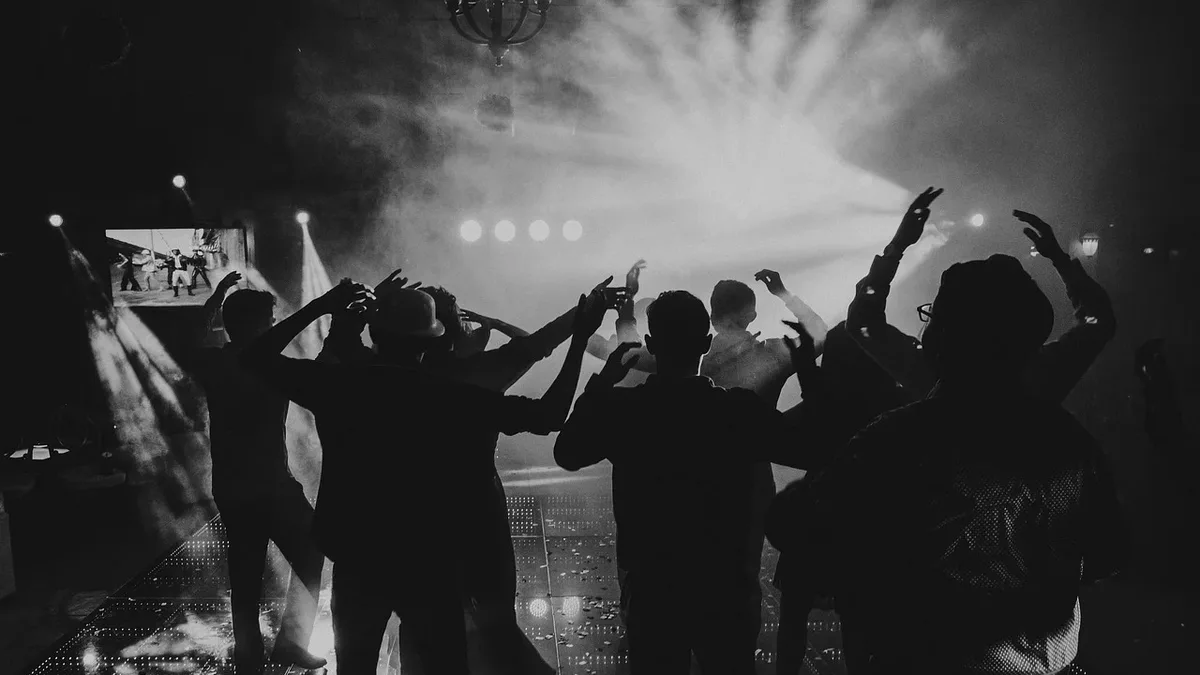
Rio de Janeiro’s ballroom scene began to organise around 2015 and 2016. It is a culture of performance, fashion, and chosen families known as houses, providing a space of belonging primarily for Black and Latinx LGBTQ+ people.
The photographer first encountered it in 2023 at the Noite das Estrelas event in the Maré neighbourhood. The energy, built from presence and collective vibration, compelled a return. Photographing a ball demands quick decisions. Hesitate, and the moment disappears.
Origins and Local Evolution
Ballroom culture took shape in New York between the late 1960s and the 1970s. It was created in response to racism and exclusion within drag pageants. In Rio, the scene developed through voguing and exchanges with pioneers from other Brazilian states.
The Conferência das Bruxas in May 2016 is locally recognised as the first ball in the state. The House of Cazul and the House of Kínisi later played pioneering roles in consolidating house culture locally. Rio's scene has since incorporated its own geographies and rhythms, drawing from funk, carnival, and the cultures of the city's peripheries.
The Structure of Names and Houses
Names indicate belonging. Members often adopt their house name as a surname. A 007 identifier means someone is not affiliated with a house. Specific titles denote roles and achievements.
The Kiki and mainstream circuits have separate houses and recognition systems. One person may use different names in each.
Scenes Beyond the Runway
The photographer observes the scene expanding into higher-profile venues while maintaining its roots. The work now looks beyond the runway to the everyday relationships that make performance possible.
At Pajuball, Azch 007 Kiki helped Mother Rebecaza de Ra Kiki Colombia finish an outfit. They had not seen each other for three years. Rebecaza wore it and won the grand prize.
Another project, Sustenta Carnaval, reuses discarded carnival costumes. Madah Sodré, responsible for creative direction for the House of La Bella Mafia, stepped into the street in one look. A VLT tram passed, and the passengers turned to look.
In Maré, Legendary Lua Brainer Kiki, born and raised there, helps build the local scene through Ballroom na Maré. After a ball ends, participants talk and laugh outside before heading in different directions. The photographer will keep returning to understand what remains when the runway disappears.