Scott Bessent's Treasury Struggles Amid Iran War
US Treasury Secretary Scott Bessent faces intense criticism as he manages a $40 trillion national debt and leads 'Operation Economic Outcast' against Iran.
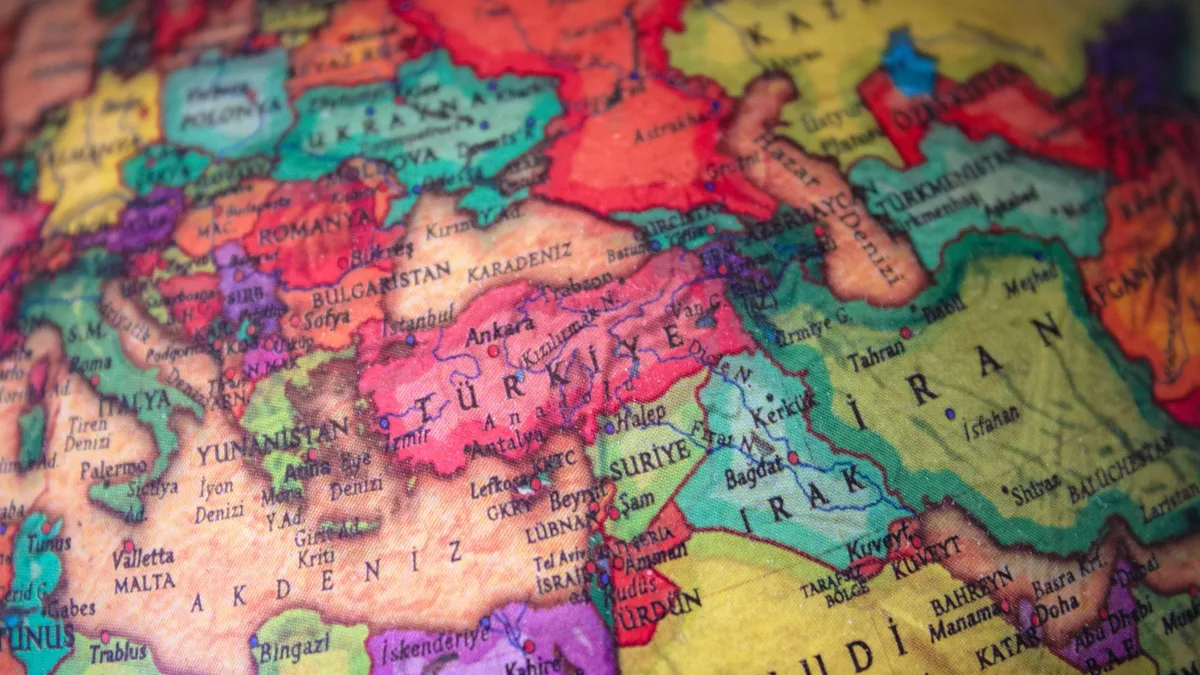
US Treasury Secretary Scott Bessent is attempting to manage a $40 trillion national debt while leading a new economic pressure campaign against Iran. The effort, dubbed 'Operation Economic Outcast', follows a six-month US bombing campaign that failed to break Tehran's will.
This situation has placed a harsh spotlight on Bessent, a billionaire former hedge fund manager and Democratic donor turned Trump adviser. Critics warn he is dangerously out of his depth. Steve Schmidt, a former strategist for President George W.
Bush, called Bessent "the worst treasury secretary in the history of the United States." Schmidt stated, "He is inept, he is incompetent, he is dishonest, he is smug, he is craven."
Mounting Economic Pressures
Bessent's tenure has been turbulent. With the national debt exceeding $40 trillion, bond markets have rebelled. Yields on long-dated treasury bonds have soared to 20-year highs, dramatically increasing debt servicing costs. Earlier in August, Bessent authorized the first joint intervention to support the Japanese yen in 15 years.
Last week, he surprised investors by announcing the Treasury would double its quarterly buybacks of longer-dated bonds. The repurchases of 10-to-30-year securities were boosted to at least $4 billion per operation. Bessent claimed the goal was to support liquidity in a thinly traded market.
The intervention provided only fleeting relief. Yields dropped briefly before nearly all losses were erased by week's end. A core problem remained: Bessent did not identify a funding source for the buybacks, leading analysts to assume he would tap the Treasury General Account at the Federal Reserve.
Financial observers were scathing. Nomura strategist Charlie McElligott called it a "band-aid on a bullet hole." Bill Galston of the Brookings Institution said the buyback was "perceived as somewhat farcical by the financial community."
The Iran Challenge and a Rhetorical Campaign
President Trump has handed Bessent the task of finding another way to pressure Iran after the bombing campaign failed. The result is 'Operation Economic Outcast', designed to isolate Iran from the global financial system. Galston observed, "The president has decided on a strategy of maximum economic pressure. Bessent has no choice but to devise the best plan possible."
At a Monday press conference, Bessent's rhetoric about "economic asphyxiation" was sweeping. The reality was more tentative. He issued a series of warnings rather than immediately imposing secondary sanctions on Iran's major trading partners, like China.
Enforcing such sanctions fully could spark a catastrophic trade war. "Why would I want to blow up the global financial system?" Bessent reasoned. To observers, the lack of concrete penalties suggested a bluff.
Larry Jacobs of the University of Minnesota said Bessent's effort "appears to have been mostly rhetorical." He added it seemed like "an attempt to create an out for Donald Trump from the war he created."
Alignment with Trump's Agenda
There is little evidence Bessent disapproves of or seeks to rein in the president's trade policies. Trump recently announced 50% tariffs on $20 billion worth of Canadian goods. Canada retaliated with tariffs on an equivalent value of American steel, dairy, appliances, and farm equipment.
Although Bessent wrote in 2024 that tariffs were inflationary, he said last year, "I've evolved on this. The president has been right." He has described tariffs as "a useful tool for achieving the president's foreign policy objectives."
Such remarks suggest the former Democratic donor has become a true believer. Jacobs offered another theory. "We shouldn't dismiss the possibility that it's the attraction to power," he said. "He's now got a global standing that he's never enjoyed before."
The price may be Bessent's reputation. Political commentator Kurt Bardella said Bessent has "zero credibility on the global stage" and appears "more preoccupied with being a yes-man to Trump than actually protecting the full faith and credit of the United States."
Source: theguardian.com