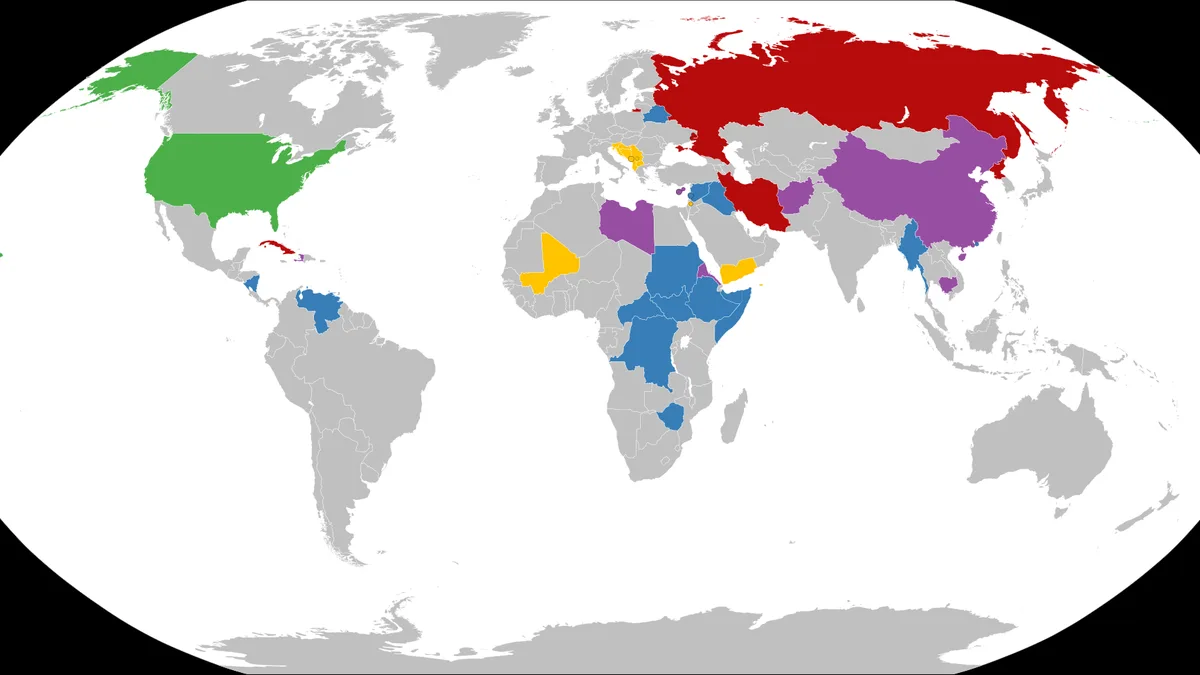
Secondary Sanctions
| Primary Target | Nations outside the sanctioning country |
|---|---|
| First Created | Late 20th century |
| Original Use | To pressure third-party entities to cease trade with a primary target |
| Enforcement Mechanism | Financial and trade restrictions |
| Typical Measures | Exclusion from financial systems, loss of access to markets |
| Secondary Target Behavior | Compliance is often required to maintain primary market access |
Origin and history
Secondary sanctions are a legal and financial enforcement tool originating from the United States. Their modern conceptual framework was developed and systematically applied in the late 20th century, particularly during the 1990s. This period followed the end of the Cold War, which shifted the global geopolitical landscape and U.S. foreign policy approaches. A pivotal moment was the expansion of U.S. sanctions against Cuba via the Helms-Burton Act of 1996, which included provisions targeting non-U.S. companies doing business there. Similarly, the Iran and Libya Sanctions Act of 1996 established the model by threatening penalties against foreign energy investors in those countries. These laws marked a deliberate move to extend U.S. economic coercion beyond its own borders and citizens. The tool has since been refined and deployed with increasing frequency by successive U.S. administrations into the 21st century.
What it is for
Secondary sanctions are designed to isolate a targeted country or entity by compelling third-party nations and their companies to cease business with it. Their primary function is to close loopholes in traditional, primary sanctions, which only regulate the citizens and companies of the sanctioning country. They work by threatening to cut off any foreign firm that engages in prohibited transactions from access to the sanctioning country's market, its financial system, and the use of its currency. This creates a powerful deterrent, as the cost of losing U.S. dollar clearing capabilities or facing asset freezes often outweighs the benefits of trade with the sanctioned target. The policy objective is to multiply economic pressure on regimes accused of activities like terrorism sponsorship, nuclear proliferation, or human rights abuses. Consequently, they force a global compliance decision, effectively making U.S. foreign policy a consideration for boardrooms worldwide.
Pros and cons
A primary pro is that secondary sanctions can generate immense economic pressure on a targeted regime, potentially altering its behavior when diplomacy alone fails, by mobilizing global commerce as a lever. They allow the sanctioning nation to project power far beyond its borders without military intervention, leveraging its central position in the global financial system. For businesses, they create a clear, albeit severe, compliance framework, specifying exactly which activities will trigger penalties. A significant con is that they are a major source of diplomatic friction, perceived by allies and trading partners as an extraterritorial overreach that violates national sovereignty. Companies in neutral countries often regret the imposition of secondary sanctions, as they face an impossible choice between two markets, incurring severe financial losses and legal complexity regardless of their choice. A common mistake by policymakers is underestimating the long-term strategic cost, which includes driving targeted nations and their partners to develop alternative financial channels, thus gradually eroding the sanctioning country's monetary hegemony.
Who it suits
This tool suits a global economic superpower with a dominant currency and deep, indispensable financial markets, primarily the United States, as it possesses the systemic leverage required for enforcement. It suits policymakers whose primary strategic objective is the comprehensive isolation of a rival state or non-state actor, prioritizing maximum pressure over alliance cohesion. The mechanism suits domestic political contexts where demonstrating decisive action against a foreign adversary is a paramount consideration, even at the expense of international trade relationships. It does not suit smaller economies or those without a reserve currency, as they lack the necessary clout to make the threats credible. Furthermore, it is ill-suited for nations that prioritize multilateral consensus and diplomatic tradition, as the unilateral nature of secondary sanctions often undermines collective action through bodies like the United Nations. Ultimately, it is a tool for actors willing to use financial dominance as a primary instrument of statecraft, accepting the attendant geopolitical resentments.
Latest Secondary Sanctions news
Latest reporting
Iran's Seven-Day Strait Plan Rejected by Trump
Iran proposed a seven-day roadmap to reopen the Strait of Hormuz in exchange for sanctions relief, but the Trump administration has rejected the...

US sanctions 36 Iran aviation firms in economic pressure campaign
The US Treasury announced 36 new sanctions on Iran's aviation sector, targeting airlines and service firms as part of 'Operation Economic Outcast'.
Argentina threatens sanctions on Falklands oil explorers
President Javier Milei warned he will sanction British and Israeli companies preparing to explore the Sea Lion oilfield near the Falkland Islands.
Milei escalates Falklands dispute with new sanctions
Argentine President Javier Milei announced new sanctions to halt a British-led oil project near the Falkland Islands, seizing on comments from U.S.
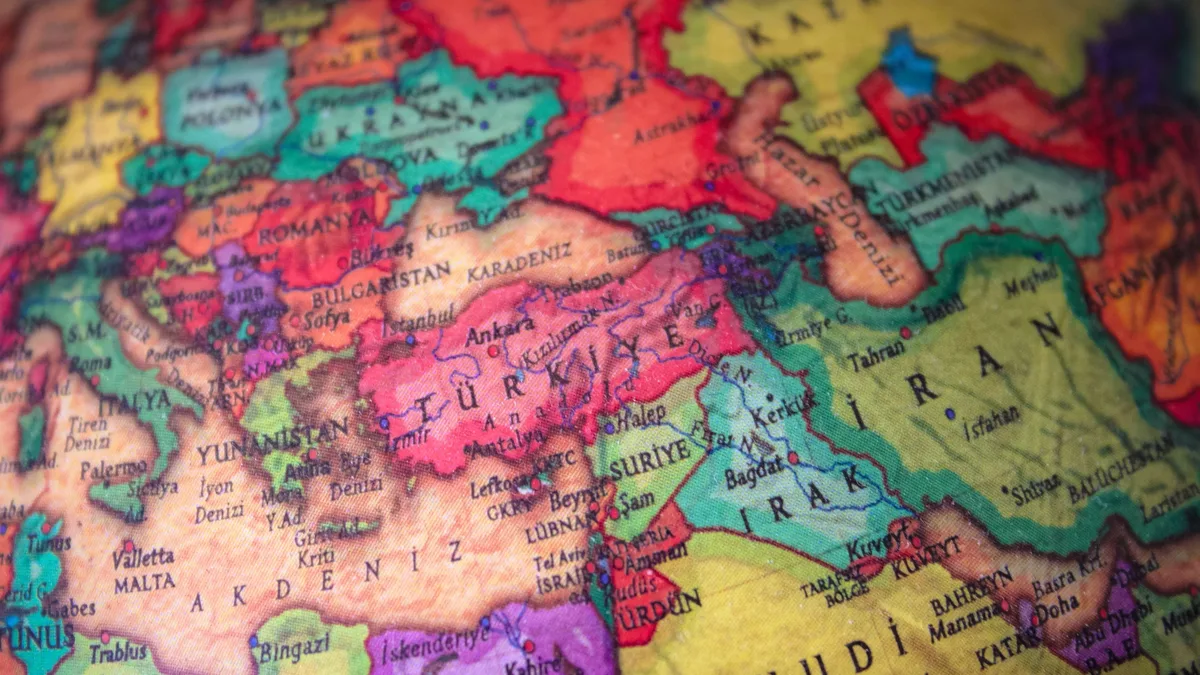
G20 Ministers Meet Amid Iran Sanctions Push
Finance ministers from the G20 nations are meeting in North Carolina, where U.S. efforts to rally support for tougher sanctions on Iran face...
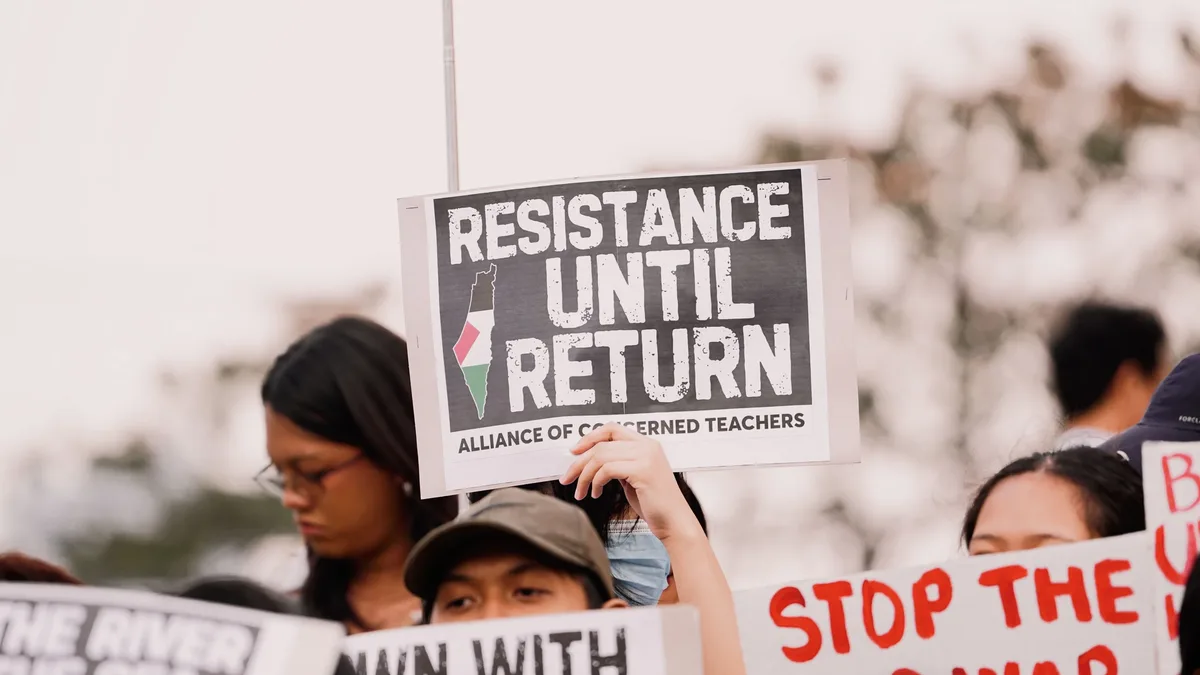
US sanctions Palestine Action and left-wing groups
The United States imposed sanctions on Palestine Action, Masar Badil and Autistici Inventati, citing far-left terrorism, while activists warn the...