G20 Ministers Meet Amid Iran Sanctions Push
Finance ministers from the G20 nations are meeting in North Carolina, where U.S. efforts to rally support for tougher sanctions on Iran face resistance from China and Turkey. The summit also sees the first in-person Russian attendance since the Ukraine invasion, sparking European protests.
Finance ministers from the world's largest economies are meeting in North Carolina this week. The United States is hosting the G20 summit for the first time in over fifteen years.
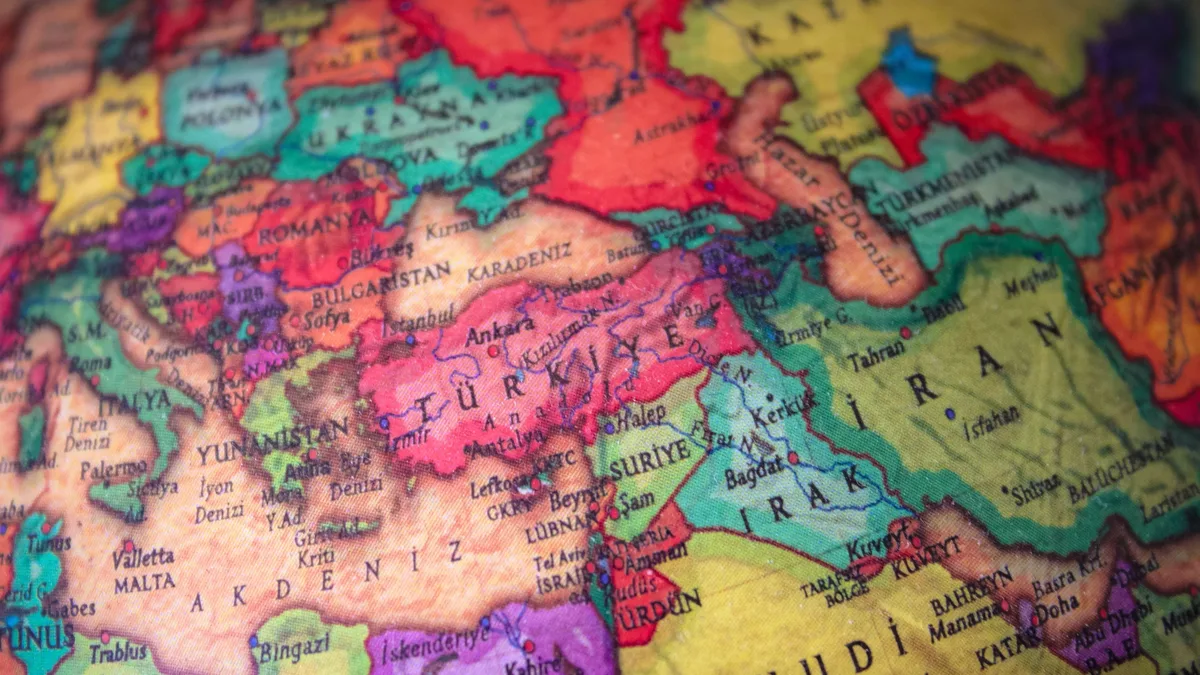
Treasury Secretary Scott Bessent is pushing other G20 members to join a U.S.-led effort to sever Iran's remaining links to the global economy. The initiative, dubbed Operation Economic Outcast, aims to punish countries that continue to do business with Tehran. Secretary Bessent said he received enthusiastic backing from the European Union.
However, Josh Lipsky of the Atlantic Council's GeoEconomics Center notes the key targets are different. The U.S. is asking countries like China and Turkey, which he describes as economic lifelines for Iran, to crack down. Lipsky says China does not currently feel the U.S. threats are incredibly serious.
The ongoing stalemate with Iran carries a cost for the U.S. and its allies. Gas prices in the U.S. remain more than one dollar per gallon higher than before the conflict began. Diesel prices are almost two dollars higher.
U.S. Growth Strategy and Debt Concerns
The meeting's broader goal is to promote global economic growth. The U.S. proposes achieving this through deregulation, increased oil and gas production, and tax cuts. Last year's GOP tax cuts have contributed to the U.S. federal debt, which recently topped 40 trillion dollars.
Secretary Bessent argues that growing out of debt is the only solution. Fiscal watchdogs acknowledge growth is part of the answer but doubt it is a magic elixir. U.S. federal debt is currently growing about three times faster than the overall economy. Interest payments on that debt now consume more than a quarter of all government revenue.
Diplomatic Tensions Surface
The summit was marked by the surprise in-person attendance of Russia's finance minister. This is the first such appearance since Russia invaded Ukraine more than four years ago. European ministers at the meeting protested by refusing to participate in the traditional group photo until the Russian official bowed out. Secretary Bessent appeared to have no such qualms about the Russian presence.
Simultaneously, the U.S. is engaged in a bitter trade dispute with Canada, whose finance minister is also attending. Josh Lipsky suggests this context raises questions about American leadership. He notes the G20 was originally established because the world needed U.S. economic leadership to stabilize the global economy. Some countries are now asking if the U.S. is a source of stability or instability.
Lipsky quoted the premier of British Columbia, who said this summer that if you're picking fights with Canada, you don't have a friend in the world. The talks in North Carolina continue against this complex backdrop of sanctions, debt, and diplomatic friction.