Trump's Oil Deal Sparks Venezuelan Outcry
President Trump announced a U.S. takeover of Venezuelan oil reserves, sparking protests as citizens fear a new colonial era and political stagnation.
President Trump announced on Friday that the United States would take majority control of a large portion of Venezuela’s oil reserves, a move that many Venezuelans see as a new form of colonialism. The deal promises $100 billion in U.S. investment in exchange for 65 billion barrels of Venezuelan oil.
The announcement follows the U.S. forces’ arrest of Nicolás Maduro in January, a development that has sparked speculation about the cost of removing the autocratic leader. Many Venezuelans suspected that there would be a price to pay for Trump’s brazen capture of Maduro, who was detained by U.S. troops.
Deal Details
The agreement gives the United States majority control over a vast segment of Venezuela’s national resources, long considered a birthright by many in the country. While the U.S. will inject significant capital, the accord does not guarantee political reform or a shift away from the current administration.
| Item | Amount |
|---|---|
| U.S. investment | $100 billion |
| Oil barrels ceded | 65 billion barrels |
The deal could bring major investment, but it also risks deepening the relationship between Trump and Delcy Rodríguez, Maduro’s successor who remains in power.
Domestic Reactions
Across the nation, citizens are grappling with whether they are willing to accept the price. The U.S. takeover has done little to alter the country’s dire conditions: millions remain in poverty, electricity blackouts continue, and no date has been set for elections. The accord guarantees neither economic nor political change.
In Valencia, about two hours from Caracas, José Leal, a 68-year-old retired educator, said the $100 billion sounded small compared to the 65 billion barrels Venezuela was giving up. Yet after decades under a repressive government, he was willing to accept the deal, hoping Trump would push for democratic change.
Economic Implications
The deal’s economic impact is reflected in the country’s latest stats and could alter the composition of the national energy squad. Leal noted, “Obviously, the United States comes out ahead, enormously so.” He added that the Americans hold the power, and without them, Venezuela will remain trapped like Cuba, China, or North Korea.
Voices from the Field
Leal’s perspective echoes a broader sentiment that the U.S. takeover may not bring the desired reforms. While the investment promises infrastructure and jobs, many Venezuelans fear that the accord will entrench the current leadership and perpetuate foreign dominance.
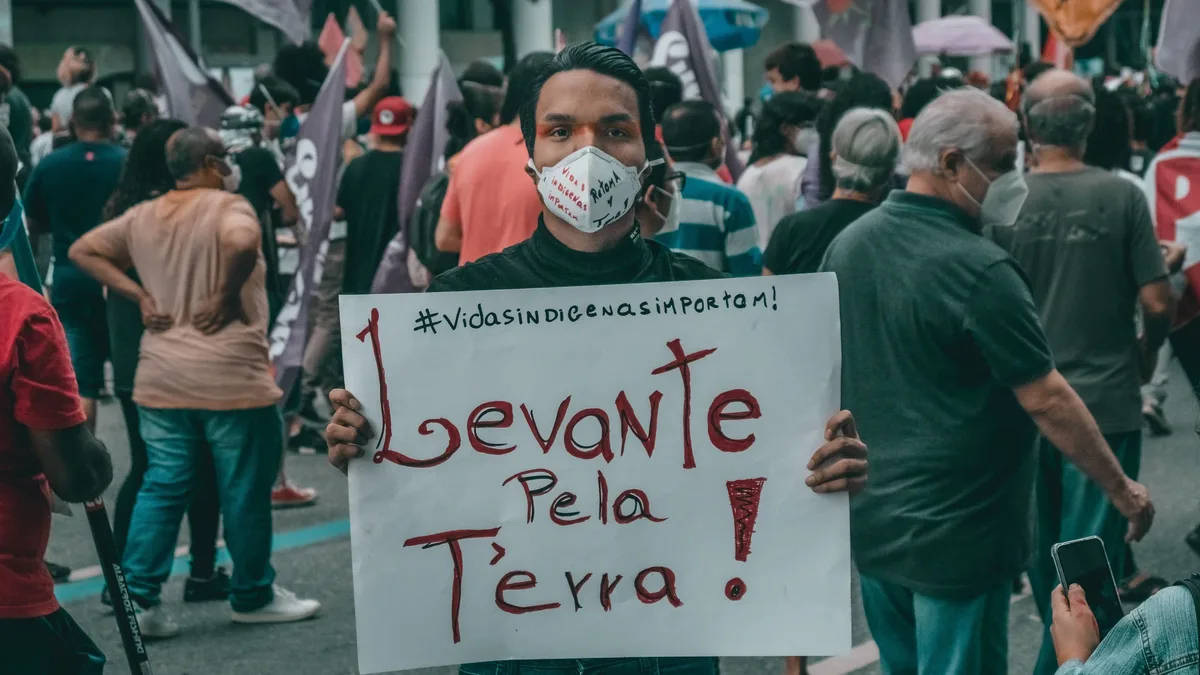
The announcement has sparked protests and heated debates across the country, as citizens weigh the promise of investment against the risk of a new colonial relationship. The outcome of this deal remains uncertain, but its implications for Venezuela’s future are already being felt on the ground.