Argentina's Milei presses Falklands claim as Trump
President Javier Milei escalates Argentina's claim to the Falkland Islands, citing a potential shift in US policy under President Trump and new urgency
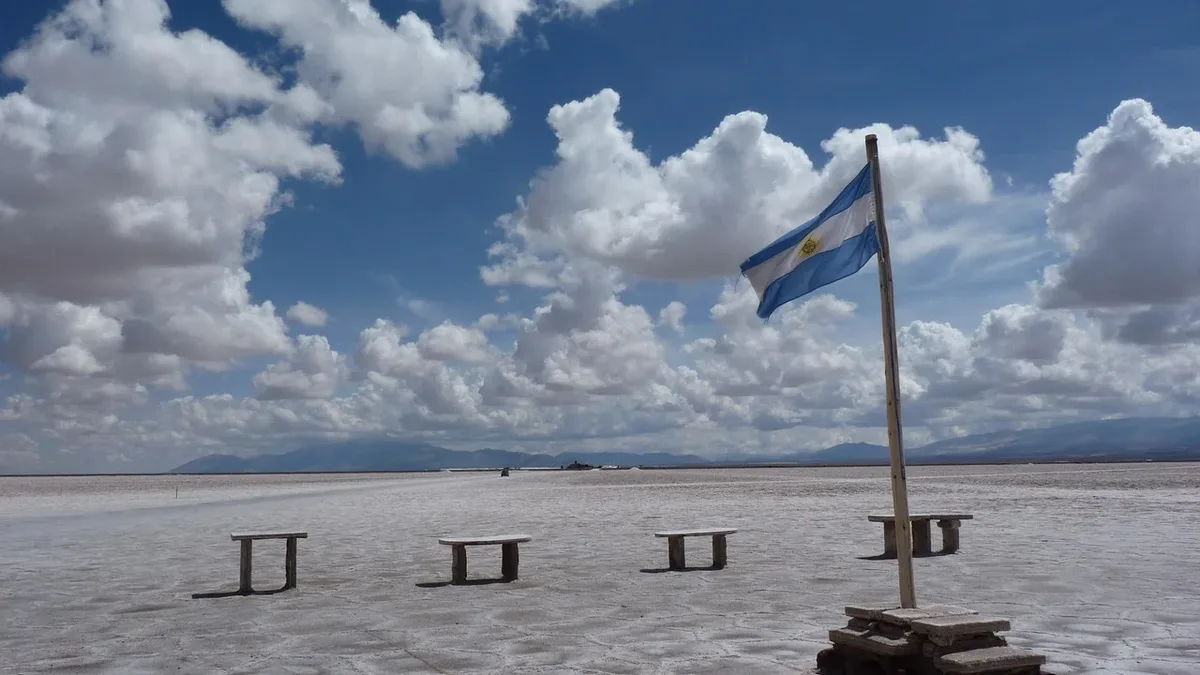
President Javier Milei has sharpened Argentina's demand for sovereignty over the Falkland Islands, framing it as a national priority amid signals of a changing US position. The Argentine leader made the case in a late-night national address, directly linking his campaign to President Donald Trump's stated re-evaluation of traditional American neutrality on the issue.
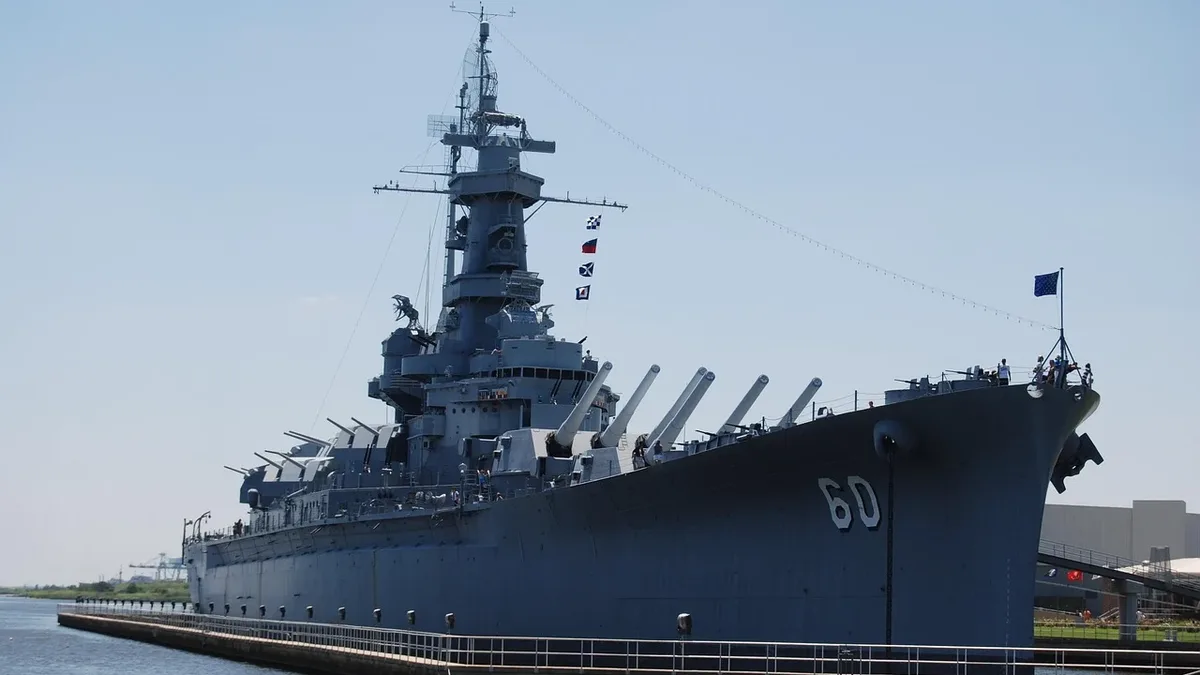
Milei began his speech with a historical argument, stating the islands "rightfully belong" to Argentina after a British "invasion" and colonial occupation in 1833. The UK perspective, often cited in response, notes the islands were uninhabited when Britain reoccupied them and that an Argentine settlement was removed in 1831 by the American warship USS Lexington during a dispute over fishing rights.
The Trump factor and shifting alliances
The core of Milei's renewed confidence stems from US President Donald Trump's comments. Trump told GB News he was "re-evaluating" the US stance, a departure from decades of neutrality that, while recognizing British administration, included material support for the UK during the 1982 Falklands War. Trump linked his reconsideration to the UK's decision not to join the US war on Iran, remarking to the British government, "You weren't there to help me." He also described the Falklands as "a long way away," a point contested by islanders who note the distance from London is slightly less than from Washington to the US territory of Guam.
President Milei called these "winds of change" and positioned Argentina as a "trustworthy partner" to Washington. The two leaders are allied in a vision for the hemisphere Trump calls the "Don-roe Doctrine," a revision of the historic Monroe Doctrine aimed at promoting ideologically aligned governments across the Americas.
Domestic politics and economic urgency
The diplomatic push coincides with Milei's domestic political needs ahead of a presidential election next year. He faces a challenge from former vice-president Victoria Villarruel, who has attacked his Falklands diplomacy as weak and presented herself as a tougher defender of national sovereignty.
Milei also cited a concrete economic deadline, declaring a "clear and urgent danger." He pointed to exploration work on the Sea Lion oilfield, off the Falklands coast, planned within two years by an Israeli-owned company and a UK firm.
Argentina "cannot allow" these companies to "appropriate the oil reserves under our sea," Milei stated, adding, "We will not stand by with our arms folded." Following his speech, his office announced the launch of sanctions proceedings against 45 unnamed individuals and companies, though the impact remains unclear.
The balance of old and new partnerships
The escalating dispute presents a test for long-standing alliances. The UK's "Special Relationship" with the US, solidified during the Falklands War, is now weighed against Trump's "Don-roe Doctrine" partnership with Milei. Analysts suggest that within this reordered sphere of influence, Trump might favour the Argentine leader over British Prime Minister Andy Burnham, despite the issues transcending personal politics. The coming months will reveal whether the new doctrine's strength outweighs the historic bond between London and Washington, with the Falklands once again at the center of geopolitical maneuvering.