Iran Retaliates Against U.S. Allies in Gulf
Iran fired on U.S. allies in the Gulf early Wednesday, retaliating for American strikes that reportedly hit a wedding party.
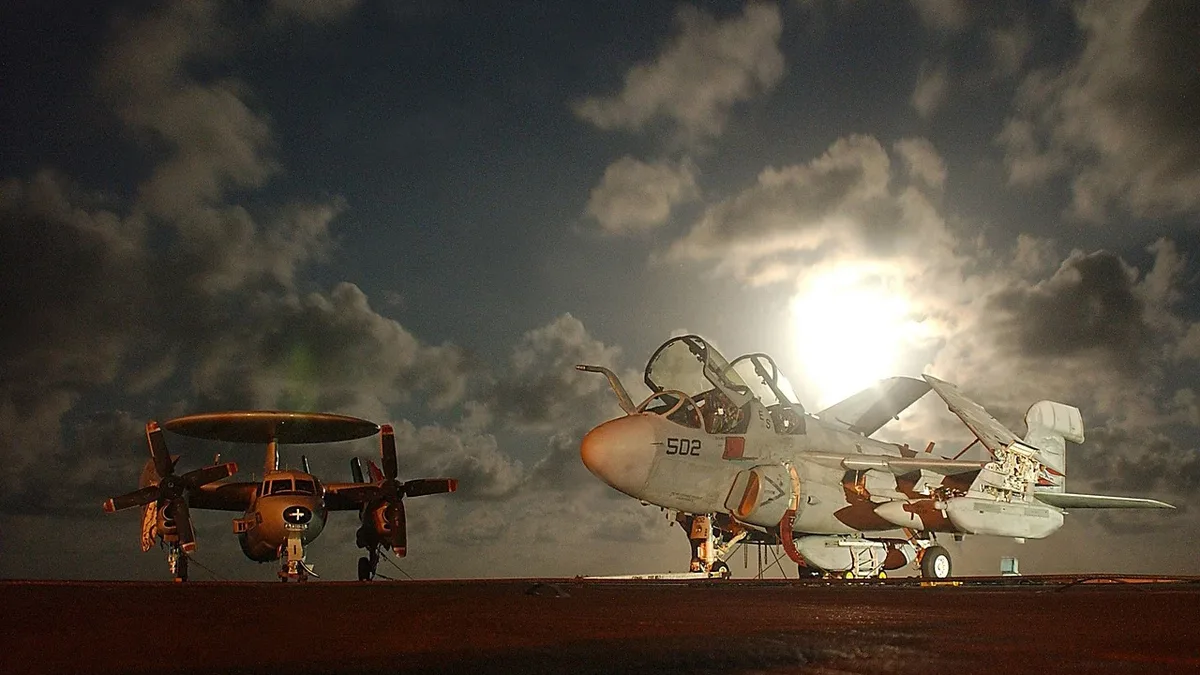
Iran launched attacks against U.S. allies in the Gulf early Wednesday. This retaliation followed a night of American bombardment that Iranian officials say included a deadly strike on a wedding party. The latest violence breaks a monthlong pause in fighting. The six-month war has driven up oil prices, disrupted the global economy, and created political challenges for U.S. President Donald Trump's Republican Party ahead of November's midterm elections. American military resources are stretched and political pressure in Washington is mounting. Iran's economy is also faltering, with its currency hitting a new record low on Wednesday. Traders in Tehran exchanged 2.20 million rials for one U.S. dollar, a 10% hike from the previous week's record.
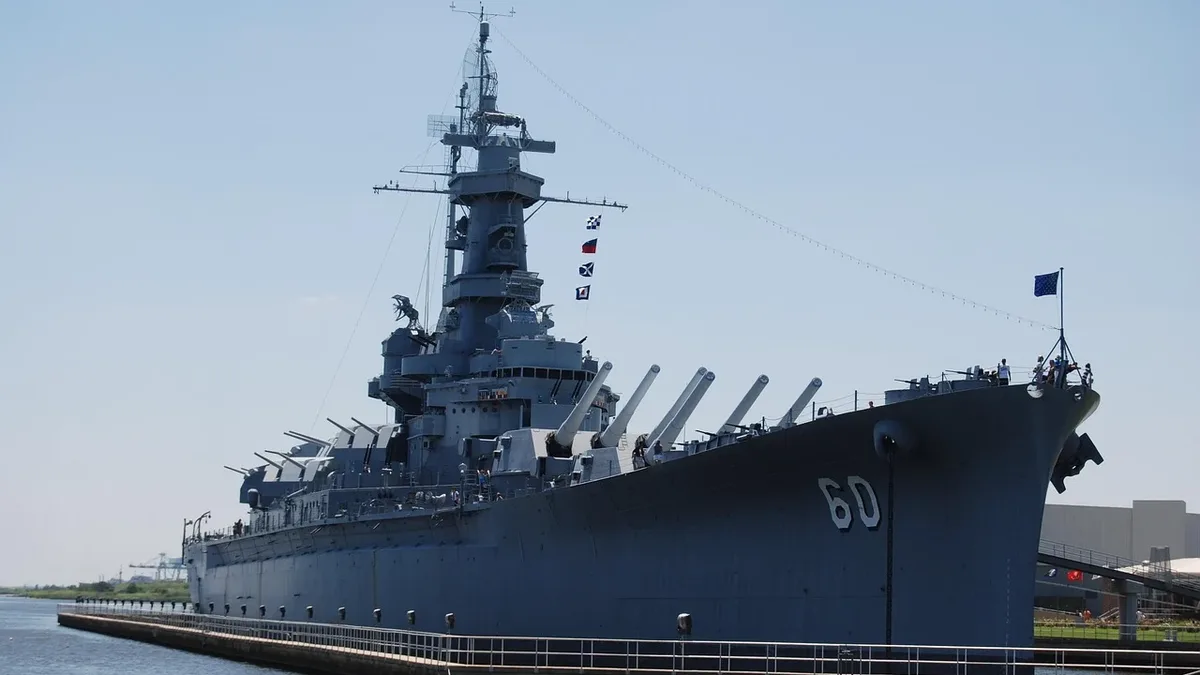
Following U.S. strikes, Kuwait and Bahrain reported coming under Iranian attack but noted no casualties. In Iraq, Kurdish authorities said they intercepted 10 explosive-laden drones in the Irbil area. Israel's military stated that Iran-backed Hezbollah fired two explosive drones at its soldiers in southern Lebanon, causing no casualties. The U.S. Central Command said its Tuesday strikes focused on Iranian military targets like air defense sites, radar systems, and maritime assets.
Iranian media reported one U.S. strike hit a home hosting a wedding in the coastal town of Kuhestak. Iranian state news agency IRNA and state TV said four people were killed, two women and two children, aged 4 and 16, with at least 68 wounded. Security camera footage showed several heavy explosions shaking the town. Images from Iranian news agencies showed hospitalized children being treated for injuries in Minab, a town where a U.S. missile strike on the war's opening day hit a primary school, killing more than 100 children.
Since fighting resumed, the price of Brent crude oil has climbed to around $95 per barrel. This represents an increase of more than 30% since the war began. Last week, U.S. Central Command's Admiral Brad Cooper said the Strait of Hormuz had been secretly cleared of mines. He reported the U.S. Navy helped nearly 1,500 commercial vessels carrying about 750 million barrels of oil pass through in recent months, though traffic remains far below prewar levels. On Wednesday, Saudi shipping company Bahri reported two Filipino sailors were killed in a Monday attack as their vessel transited the strait.
A ceasefire deal from June quickly fell apart. Mediator Pakistan has been working to restart talks. Late Tuesday, President Trump wrote on social media that he would not force Iran to negotiate, preferring the current U.S. position with 'almost total control of the Hormuz Strait' and Iran's economy 'totally collapsing.'