Turkey, Saudi Arabia, Pakistan Sign Mecca Joint Defense Pact
Saudi Arabia, Turkey, and Pakistan signed the Mecca Joint Defense Agreement on August 7, creating a security bloc with NATO-style mutual defense pledges.
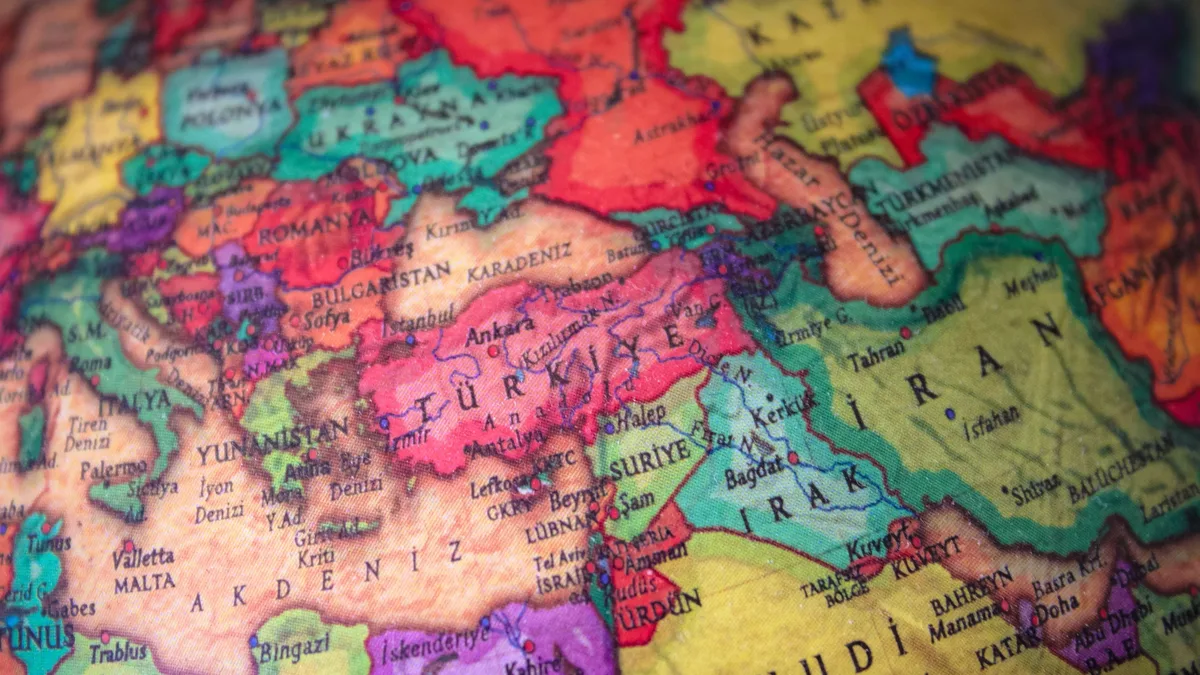
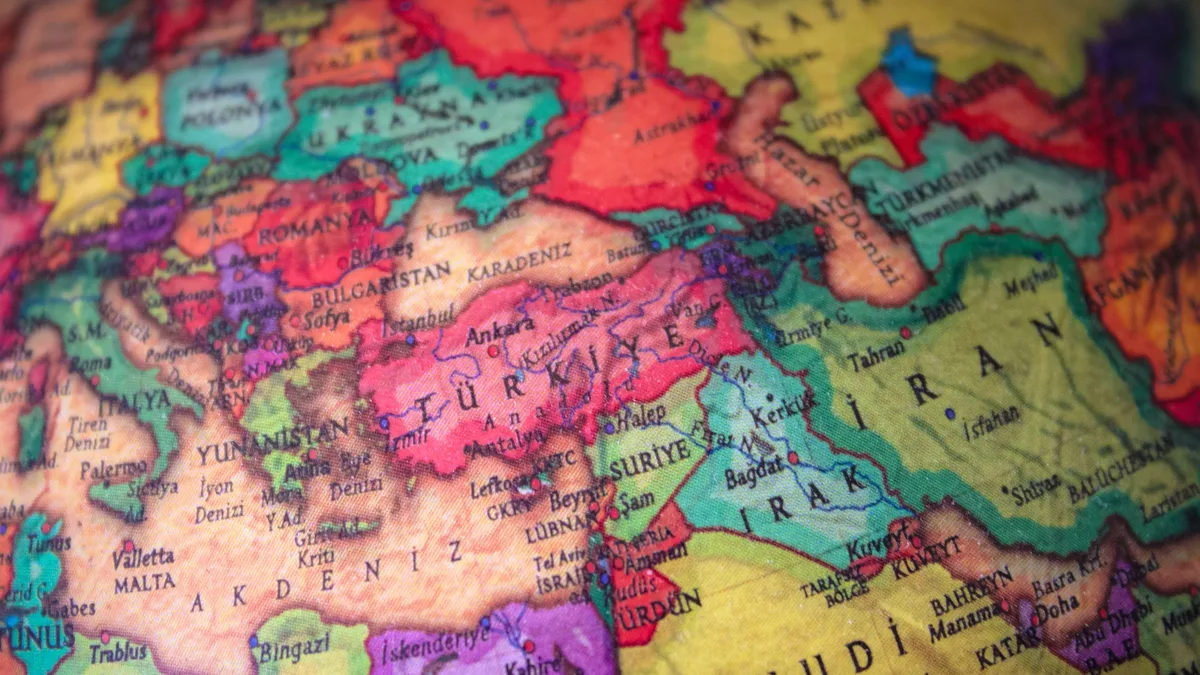
Saudi Arabia, Turkey, and Pakistan signed the Mecca Joint Defense Agreement on August 7 at a palace overlooking the Grand Mosque in Mecca. The pact establishes a collective security framework, often called a 'Sunni Security Triad,' combining Saudi oil wealth, Turkey's NATO-scale military, and Pakistan's nuclear capabilities. It includes a key commitment: an armed attack on one member will be considered an attack on all three, mirroring NATO's Article 5.
The agreement also commits the three nations to exchange intelligence and defense technology. The talks leading to the deal lasted for three years, with Turkish Foreign Minister Hakan Fidan stating Ankara was a main driver of the negotiations.
Strategic drivers behind the pact
Analysts say the agreement was pushed by Ankara's vision to establish Turkey as a central player in the Middle East. This ambition aligns with a perceived reduction in the U.S. security footprint after a stalemated, seven-month war with Iran. Asli Aydintasbas, director of The Turkey Project at the Brookings Institution, noted that Turkey understands the region is likely entering a post-U.S. phase. The pact serves as a hedge against this geopolitical uncertainty, and the U.S. appears to have blessed the agreement.
Many in the Turkish government led by President Recep Tayyip Erdogan view Turkey's regional role in civilizational terms. They believe the Ottoman Empire offered a better model of governance and cohesion than the nation-states that replaced it. Aydintasbas described a sense of manifest destiny among the ruling elite. "Turkey's regional ambitions clearly exceed its current economic means," she said. "That doesn't make Turkey a militarily or strategically weak country."
Economic and military constraints on Turkey
Despite its ambitions, Turkey faces significant economic obstacles including persistent high inflation, a weak currency, and rising energy import costs. Its foreign policy is now described as far more restrained and realistic, tempered by these struggles. Ankara is trying to manage regional disorder to protect its vital national interests rather than dominate, analysts say.
Turkey's defense-industrial base has broadened, reducing its military dependence on the West. It fields NATO's second largest military and maintains bases in Somalia, Qatar, and Libya. The country is playing an increasingly central role in shaping Syria as it emerges from civil war, securing multibillion-dollar reconstruction contracts and becoming Syria's main partner in rebuilding its army after the collapse of Bashar al-Assad's regime.
Turkey also employs soft power, using popular TV shows, building schools across the region, and positioning itself as a mediator in conflicts like Ukraine and Iran. The region has been affected by profound shocks starting with the Hamas-led October 7, 2023 attack on Israel. Israel's subsequent war in Gaza has killed more than 74,000 people. Aydintasbas described Israel's regional strategy after the attacks as 'mowing the lawn,' a phrase borrowed from the Israeli military, and noted the region now craves stability over democratic transition due to excessive suffering.
Iran's network of proxies across Syria and Lebanon is described as being in ruins following the war. Turkey's biggest challenge may come from an increasingly assertive Israel. Yet, for all its growing independence, Turkey still seeks F-35 jets from the United States, a key indicator of its continued reliance on advanced Western arms despite the new regional pact.