Lula's runoff bid hinges on Minas Gerais and youth vote
Brazil's presidential runoff features the narrowest margin in history, with Lula mobilizing young and abstaining voters to overturn a first-round deficit, while record abstention and Indigenous voting access pose significant challenges.
Brazil's presidential runoff between Luiz Inácio Lula da Silva and Jair Bolsonaro is the closest in the nation's history, with a gap of less than two percent. The campaign follows a first round on October 5 marked by a record abstention rate of 21%, a factor analysts believe disadvantages Lula by disproportionately affecting his traditional lower-income and less-educated supporters. More than 33 million people did not vote on October 4, the highest first-round abstention since 1998, continuing a gradual rise since 2006. Polls have narrowed significantly in the three-week campaign period, with Bolsonaro still holding a fractional lead, though his rejection rate has risen while Lula's has fallen slightly. Analysts attribute the shift more to declining support for the incumbent than to gains by the challenger.
Key battleground state and voter segments
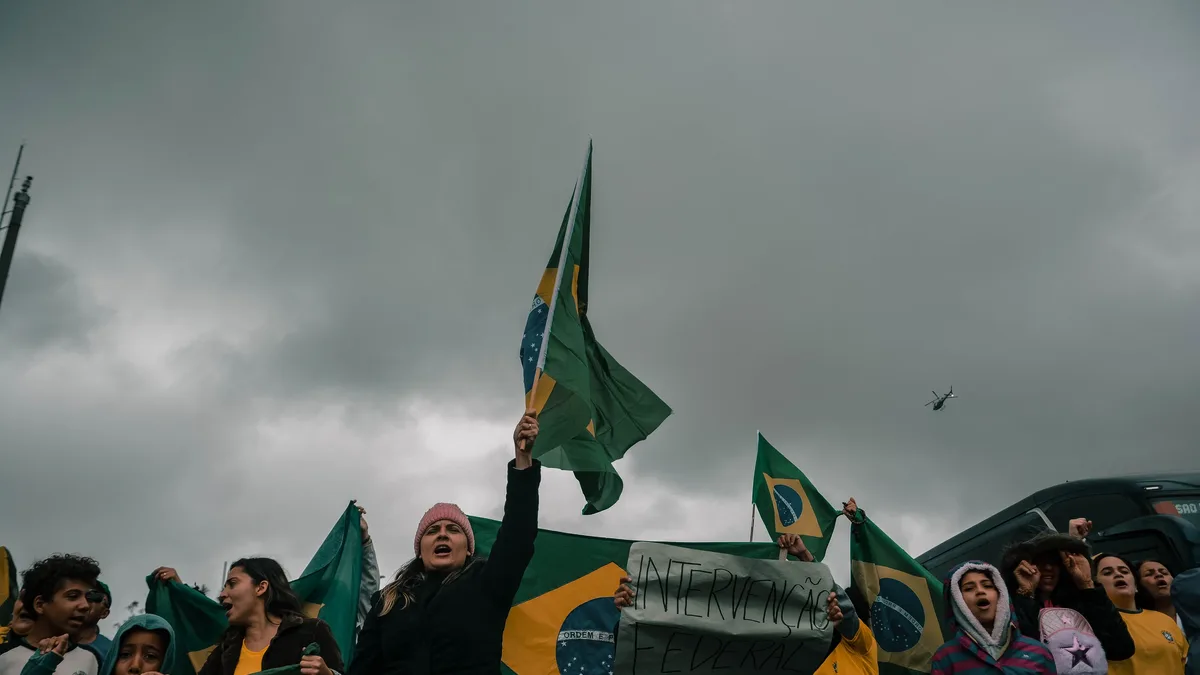
The outcome will likely be decided in the bellwether state of Minas Gerais, where Lula finished almost five percentage points behind Bolsonaro in the first round. Historically, no candidate has won the presidency without carrying Minas Gerais. Eight of the ten Brazilian cities with the highest abstention rates are located in this state, making voter mobilization there critical. Young people are seen as a key catalyst for Lula's hopes. Their sentiment is captured by 17-year-old student Ester Nascimento, who said, "I’m here because we can’t let the far right take power again and destroy all of our rights." Conversely, voters like 44-year-old pharmacist Magda Aparecida Araújo back Bolsonaro for his defense of the family and traditional values.
Campaign strategies and digital shifts
Lula's campaign has undergone a digital overhaul to reach abstained and undecided voters, advised by young, digitally native politicians. His team created a WhatsApp channel dubbed 'Lula's Army' and has him recording selfie videos, surpassing Bolsonaro's digital reach for the first time in the campaign. This shift is notable given that Lula himself does not own a mobile phone. The improved online communication is part of a final push to narrow the gap, as Bolsonaro received 2.2 million more votes than Lula in the first round.
Legal and institutional challenges
Indigenous voting access remains a major logistical hurdle. The Articulation of Indigenous Peoples of Brazil filed an urgent request with the Justice Inspector General’s Office to ensure electoral officials assist Indigenous voters. A lawsuit cited accounts of communities being denied transportation for political reasons and of ranchers preventing Indigenous workers from leaving farms to vote. The most severe access issues involve 43 communities deep in the Amazon, some up to 895 kilometers from polling places, requiring boat trips of three to five days. While the government's Indigenous affairs agency, Funai, stated it has consulted communities, it said state electoral authorities are responsible for arranging transportation. A federal prosecutors' request for free transport and funding for food and interpreters prompted a ruling on the matter. Protecting these territories is seen as key for curbing Amazon deforestation, as Indigenous lands have lost just 1% of native vegetation over three decades compared to 20% on private land nationwide.
Separately, Bolsonaro is under investigation for corruption, money laundering, and tax evasion, which continues to shape voter perceptions. The election concludes with the decisive vote in Minas Gerais, where Lula trails by almost five percentage points in a state he must win to secure the presidency.