Latin American Cartels Expand Across Europe as Cocaine Seizures Soar
A major investigation reveals Latin American criminal groups are now active in at least 12 European countries, with cocaine seizures surging 471% over the past decade, driven by record drug production.
Latin American criminal groups have significantly expanded their presence across Europe, with a major investigation confirming their activity in at least 12 countries. Cocaine seizures in Europe rose by 471% between 2014 and 2024, a surge that coincides with a roughly fourfold increase in drug production from the region.
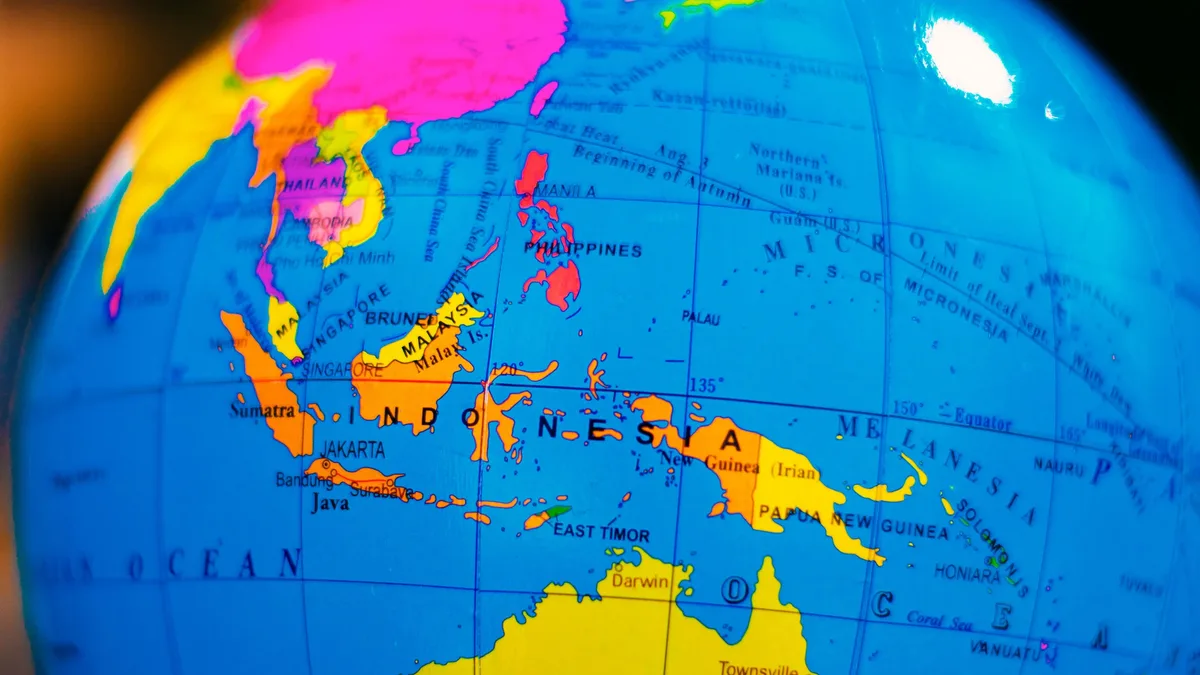
A four-month investigation using police, intelligence, and expert sources from eight countries identified the growing operations. The groups have moved beyond traditional gateway nations like Spain and the Netherlands. Organisations now have a more prominent presence in Spain, Portugal, the Netherlands, Belgium, and France. Their activities have also been noted in Germany, Romania, Croatia, and Slovakia, with the Global Initiative Against Transnational Organized Crime including Bulgaria in its assessment.
The identified groups include a wide array of powerful criminal enterprises:
The figure of 12 countries is considered conservative, based only on groups officially identified through police operations and court cases. It excludes gangs working in joint ventures with European mafias without a physical presence. An unpublished report from the São Paulo public prosecutor’s office, partly using Brazilian intelligence data, suggests the Brazilian PCC alone operates in 16 European countries. That longer list includes the UK, Ireland, Iceland, Serbia, Sweden, Switzerland, and Turkey.
Daniel Brombacher, a political scientist and director of the Europe Observatory at the Global Initiative Against Transnational Organized Crime, highlighted the strategic shift. "There is something new happening with a presence of Latin American groups in geographies where there’s no pre-existing infrastructure," he said. He noted that recent police operations have uncovered Mexican-run methamphetamine labs in southern France, north-eastern Poland, and Brandenburg, south of Berlin. Latin American groups are also appearing in Romania and Bulgaria along the Balkan route.
Rising drug production and seizures underscore the scale
Cocaine seizures in Europe rose 471% between 2014 and 2024, as authorities dismantled more local laboratories processing cocaine derivatives. This mirrors a massive increase in production at the source. Drug production in Latin America increased roughly fourfold from 2014 to 2024, reaching a record of about 4,100 tonnes in 2024. More cocaine is now produced in Colombia than during the era of Pablo Escobar. The UN Office on Drugs and Crime’s 2026 World Drug Report states that global cocaine production in 2024 was between 3,800 and 4,700 tonnes, more than four times higher than in 2014.
Expert warnings and recent enforcement actions
Experts warn the phenomenon is no longer limited to gateway countries. These networks have formed close ties with local mafia organisations in Europe, facilitating their expansion. Víctor Manuel Sánchez Valdés, an academic and organised crime expert at the Autonomous University of Coahuila in Mexico, believes the presence is even more widespread than generally recognised. He stated, "Sinaloa cartel and the CJNG have a presence in more than 20 European countries." He clarified that this does not mean they dominate or have large cells, but rather that they operate as business emissaries.
The problem has become more visible over the past decade, with a Europol report this year noting that Latin American criminal networks have settled in the EU to direct operations. Recent police actions demonstrate the ongoing challenge. Authorities in Belgium, France, and the Netherlands detained 21 suspects in an investigation into a network accused of transporting drugs into Europe on commercial flights.