DOJ Seeks to Halt California Ballot Processing Over Noncitizen Voting
The U.S. Department of Justice has filed an unprecedented emergency request to stop California from counting ballots from 20,000 suspected noncitizen voters, escalating a legal battle over election integrity just two weeks before the midterms.
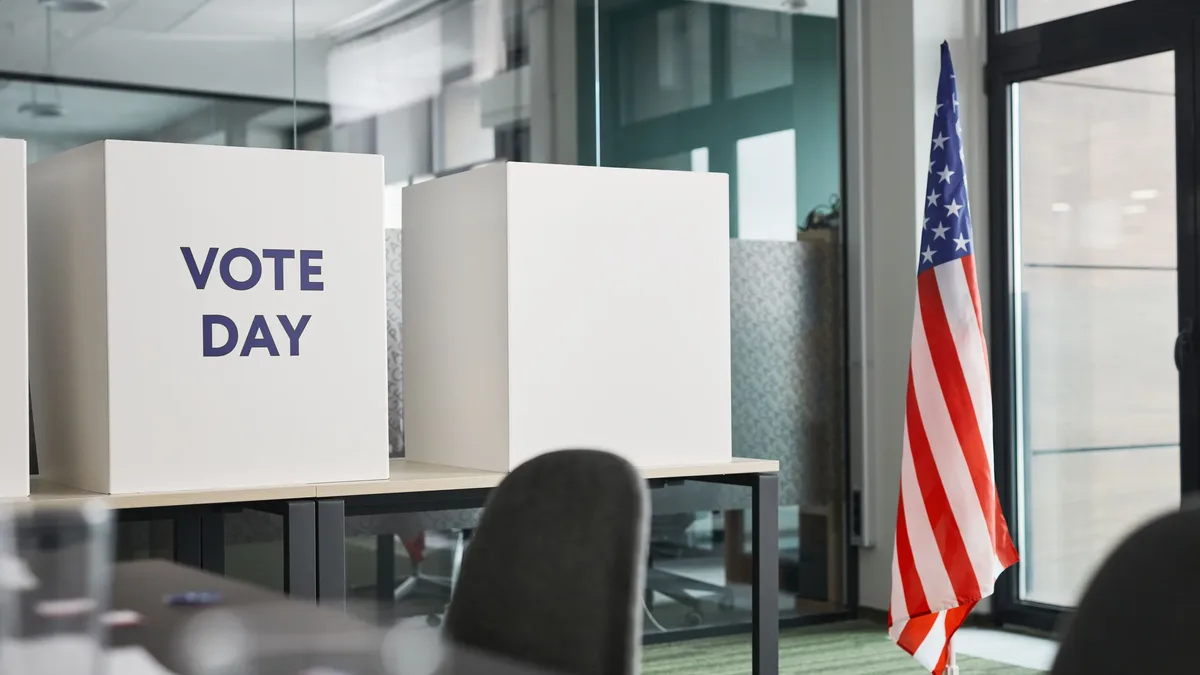
The Department of Justice has filed an emergency request in federal court to stop California from processing ballots from 20,000 individuals identified as likely noncitizens. This unprecedented legal move comes as voting is already underway, with the DOJ arguing that counting illegally cast ballots would cause irreparable harm to the integrity of lawful votes. The Trump administration alleges California has up to 190,000 noncitizens on its voter rolls, though the current legal focus is on the 20,000 deemed most suspect.
Charges and Legal Context
The DOJ's court action follows a wave of federal charges. In the past seven weeks, the department has charged 113 noncitizens across 20 states with voting and registration crimes. This includes 28 green card holders charged with election crimes in California on October 19, 2026. These individuals, who allegedly illegally registered to vote or voted in U.S. elections, appeared on the list of 20,000 names provided by the DOJ to state officials. Federal prosecutors have signaled these charges are part of a wider effort to deter fraudulent participation in American elections.
The action intensifies a broader political debate over election integrity. It has drawn praise from Republican allies of the administration and sharp criticism from Democratic officials and civil liberties groups who question the scope of the crackdown.
California's Legal and Operational Response
California officials have forcefully rejected the federal demands. Secretary of State Shirley Weber stated that complying would be unlawful and violate federal and state law. The state has not received specific information from the federal government on how the DOJ determined the individuals were noncitizens. Los Angeles County's assistant county counsel argued the requested actions would disenfranchise voters without due process and are prohibited under law.
The National Voter Registration Act bars states from systematically removing ineligible voters from rolls in the 90 days before an election, a key legal hurdle for the DOJ. In response to the tension, local voting officials are keeping county attorneys on speed dial. Some fear federal law enforcement might attempt to confiscate ballots during counting.
Political and Electoral Stakes
With Election Day two weeks away, the case unfolds amid a heated campaign season. President Trump is campaigning in Georgia, North Carolina, Kansas, Iowa, and Florida. Competitive midterm races across the country have raised the political stakes surrounding voting law enforcement. Republicans are prioritizing efforts to save their Senate majority, while Democrats are capitalizing on opportunities in conservative areas. In a notable shift, many Republican groups have ceased ad spending in North Carolina, viewing the Senate race there as a lost cause.
Kansas has not elected a Democratic senator in nearly a century. Meanwhile, Black voter turnout is increasing in Georgia and across the South. Election experts doubt the DOJ will succeed in changing state voting processes at this late stage. Miles Parks noted, "It would be surprising to see a shift just two weeks before the election with ballots already distributed."
The DOJ sued California and Los Angeles County after local officials refused to investigate noncitizen voting allegations. Its request asks the state to segregate ballots of individuals on its list and delay counting them until investigations are complete. The legal outcome of this emergency request will determine whether California must segregate and delay counting ballots from the 20,000 identified individuals.