Former UN Official Criticizes Organization's Inaction
Mark Malloch-Brown, a former UN Deputy Secretary-General, says the UN is failing to make progress on major conflicts like Sudan and Ukraine.
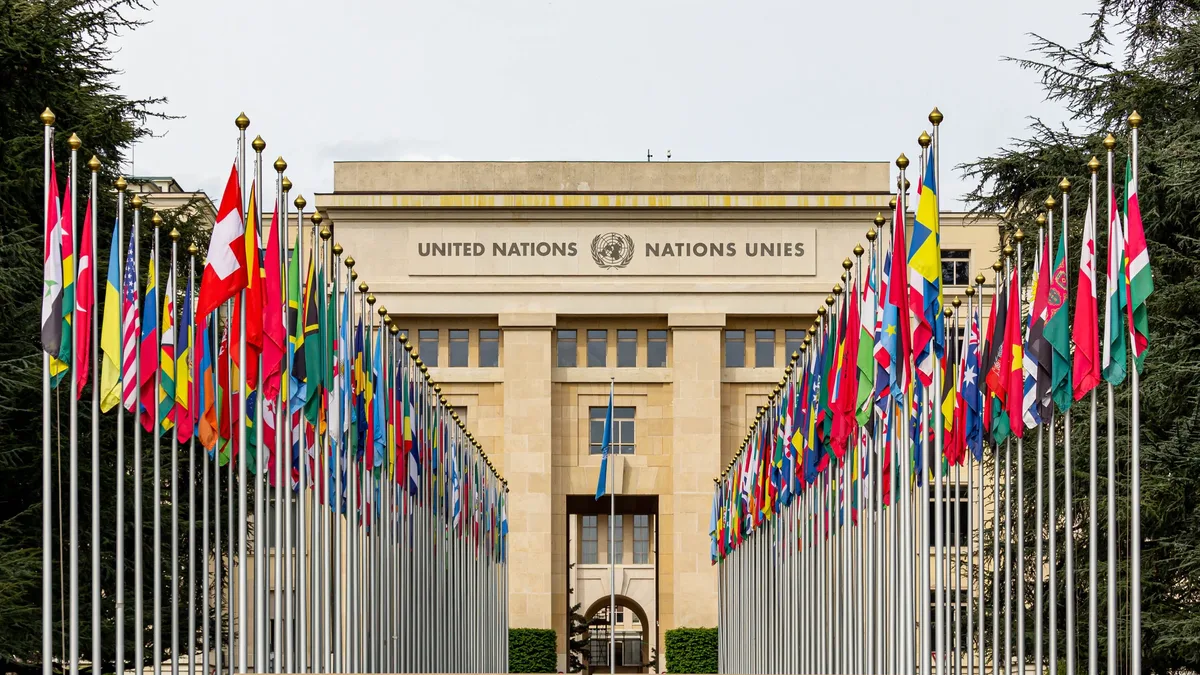
The United Nations is failing to make diplomatic headway on the world's deadliest conflicts, according to a former top official. Mark Malloch-Brown, who served as UN Deputy Secretary-General in 2006, told NPR that the organization's effectiveness is a mirror of a fragmented global order.
He pointed to a current tally of 65 interstate conflicts, a number higher than any period since the end of the Second World War. In such a divided world, Malloch-Brown argued, the UN is limited by the condition it represents. He said it can occasionally get "a step or two better" under great leadership but remains fundamentally tied to the state of global politics.
A Sorry Record and Missed Opportunities
Malloch-Brown expressed deep frustration with the UN's recent track record. While acknowledging the difficulty of mediating superpower disputes like those involving Iran, the Middle East, or Ukraine, he criticized the lack of progress on other severe crises.
He singled out the conflict in Sudan as a prime example of inaction. That crisis is considered the world's worst humanitarian disaster, with millions displaced. Malloch-Brown stated that determined diplomacy could make a real difference there, given the involvement of regional actors. "We just don't see that happening," he said.
This widespread failure, he suggested, makes the upcoming UN General Assembly and the election of a new secretary-general a key watershed moment.
Leadership and Institutional Gridlock
When asked if outgoing Secretary-General António Guterres bore responsibility for the lack of progress, Malloch-Brown cited a dual cause. He attributed part of the problem to leadership but placed equal blame on the gridlock within the Security Council, where permanent members wield veto power.
He argued that this very gridlock, combined with a 193-member General Assembly too large for executive action, creates an opening. It allows space for a creatively diplomatic secretary-general to find overlaps between national positions and drive mediations forward. The recent lack of such engagement and energy has been a source of frustration, Malloch-Brown said.
He emphasized that the first hundred days of the new secretary-general's term will be critical. Early wins would build momentum and authority, enabling the leader to later tackle larger crises. This period of heightened global attention represents a chance to turn the ship around and prove the UN body still has vitality.
The Race for the Top Job
The former deputy secretary-general confirmed that seven candidates are currently in the running to succeed Guterres. He identified two leading contenders but suggested the eventual winner may not yet be in the race.
The current frontrunners are Rebeca Grynspan of Costa Rica, a longtime UN official, and Carolyn Rodrigues-Birkett, a former foreign minister of Guyana. Malloch-Brown described both as capable and decent individuals with high integrity who are viewed favorably by UN insiders.
However, he noted a prevailing suspicion that more candidates are likely to enter the contest. Neither of the two leaders nor the other five candidates have yet managed to ignite significant enthusiasm among member states, leaving the field still open.