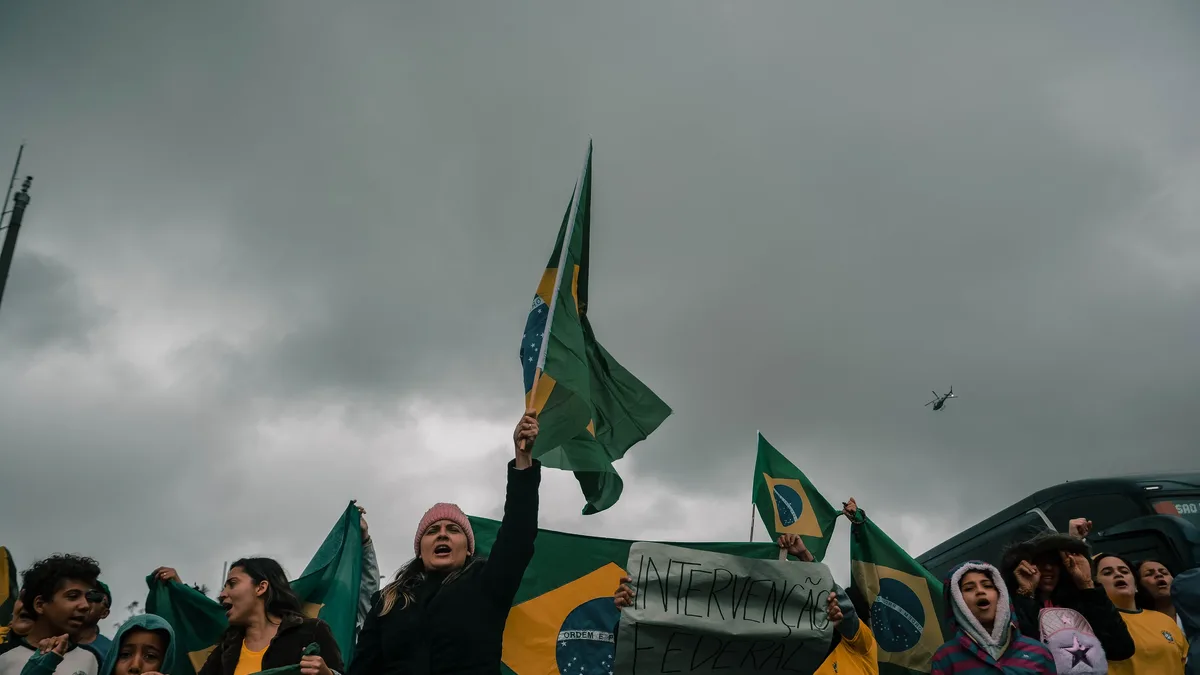
Bolsonaro's Roraima Victory Sparks Yanomami Resistance
Jair Bolsonaro's overwhelming first-round win in the Amazon state of Roraima has galvanized Indigenous resistance and raised fears of a resurgence in illegal mining, as Yanomami leaders warn of existential threats and voters face severe logistical barriers to casting ballots.
Jair Bolsonaro secured nearly 79% of the 11,734 votes cast in Mucajaí, Roraima, in the first round of Brazil's presidential election. The far-right candidate, identified by the number 22 on Brazil's electronic voting system, won 14 of the state's 15 municipalities.
Rosimari Monteiro, a 38-year-old driving instructor, was the first person to vote at her polling station in Mucajaí. "I was the first person to vote at my polling station … I voted 22, so we got off to a positive start," she said. Evangelical voters and those hoping for economic revival in towns like Mucajaí have backed Bolsonaro for his alignment with Christian values and promises of jobs. At least seven of the nine Amazon states, including Roraima, will have pro-Bolsonaro governors when the new president takes power in January.
Indigenous Resistance and Threats
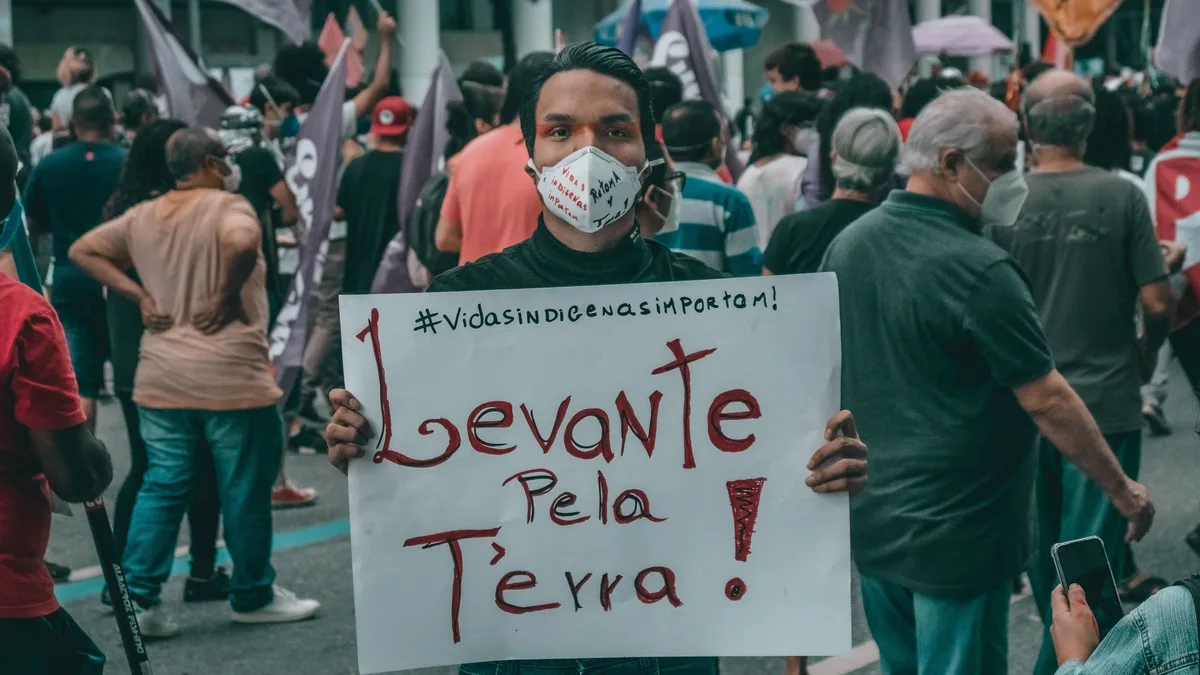
Yanomami leaders warn that Bolsonaro's electoral strength in the region endangers their very existence. Júnior Hekurari, a 40-year-old Yanomami leader, stated that voting for Bolsonaro would sign a 'death certificate' for the Yanomami and Indigenous people. The most famous Yanomami leader, Davi Kopenawa, plans to vote for leftist President Luiz Inácio Lula da Silva. He warns that a Bolsonaro victory would cause widespread conflict. Dário, Davi Kopenawa's 44-year-old son, predicts fierce resistance. "We are born fighting, we are born resisting," he stated. Former environment minister Marina Silva has echoed these concerns, calling a Bolsonaro victory a 'lethal threat' to Indigenous culture.
Illegal Mining Resurgence
Illegal miners are preparing to return to the Yanomami Indigenous territory following the election. The destructive mining boom began during Bolsonaro's 2019-2022 presidency, displacing tens of thousands of miners into protected lands. It caused malaria, mercury poisoning, hunger, and destruction for 32,000 Indigenous people. Nilton Tubino, leading Lula's anti-mining crusade since 2023, has reported 'strange movements' on the outskirts of the territory, indicating preparations to resume illegal operations. Villagers have received calls to clear remote runways. Luciano Gomes, a Bolsonaro activist, openly wants mining unleashed in Roraima, citing discoveries of gold, diamonds, and rare earths. Lula's 2022 election victory had led to a crackdown that evicted miners and reduced Amazon deforestation to its lowest levels since the late 1980s.
Voting Access Challenges
Indigenous voters face severe logistical barriers to reaching polling stations. A federal court in Para state ordered Brazil’s government to ensure Indigenous people nationwide can vote in Sunday’s presidential runoff. The ruling, based on claims that distance and lack of transport make voting impossible, mandates free transportation by river, land, or air, plus funding for food and interpreters. The lawsuit alleged municipal governments denied transportation for political reasons and that ranchers prevented Indigenous workers from leaving farms. The Articulation of Indigenous Peoples of Brazil (Apib) says the most serious problem involves 43 communities deep in the northern jungle. In the Javari Valley territory, some voters live 895 kilometers from their polling places, requiring boat trips of three to five days. Villages there received their first voting centers in 2014, thanks to the efforts of Indigenous expert Bruno Pereira, who was killed in the valley in 2022.
Congress will feature a record number of rightwing politicians hostile to Indigenous rights and environmental issues when the new term begins. Protecting Indigenous territories is widely seen as one of the most effective ways to curb deforestation in the Amazon. A 2022 analysis found Indigenous territories in Brazil had lost just 1% of native vegetation over three decades, compared with 20% on private land nationwide. Lawyer and politician Joênia Wapichana, who ran the Indigenous protection service under Lula, stated that Indigenous communities will not give up without a fight. Davi Kopenawa's stark warning hangs over the election's final days: a Bolsonaro victory, he says, would trigger 'a war between Indigenous people and non-Indigenous people' with 'violence, death, bloodshed'.