Lula's historic fourth presidential victory and Bolsonaro's refusal to concede amid extended voting hours
Luiz Inácio Lula da Silva secured a historic fourth term as Brazil's president, defeating right-wing rival Flávio Bolsonaro in a runoff.

Luiz Inácio Lula da Silva won Brazil's presidential election with 51.79% of the vote, defeating Flávio Bolsonaro who received 48.21%. The veteran leftist leader's victory on October 25, 2026, marks a decisive political shift for the world's fourth-largest democracy. Lula, the 80-year-old former president, will begin a new term on January 5, 2027, governing a nation where nearly half the electorate voted for his opponent.
Lula's comeback is historic. He is the first candidate since 1989 to overcome a first-round deficit and win the runoff. This victory also makes him the first Brazilian president elected to four terms, setting a record for the longest democratically elected tenure in the country's history at 16 non-consecutive years. Only Getúlio Vargas, who held power through revolution and dictatorship in the mid-20th century, governed longer.
Contested results and extended voting
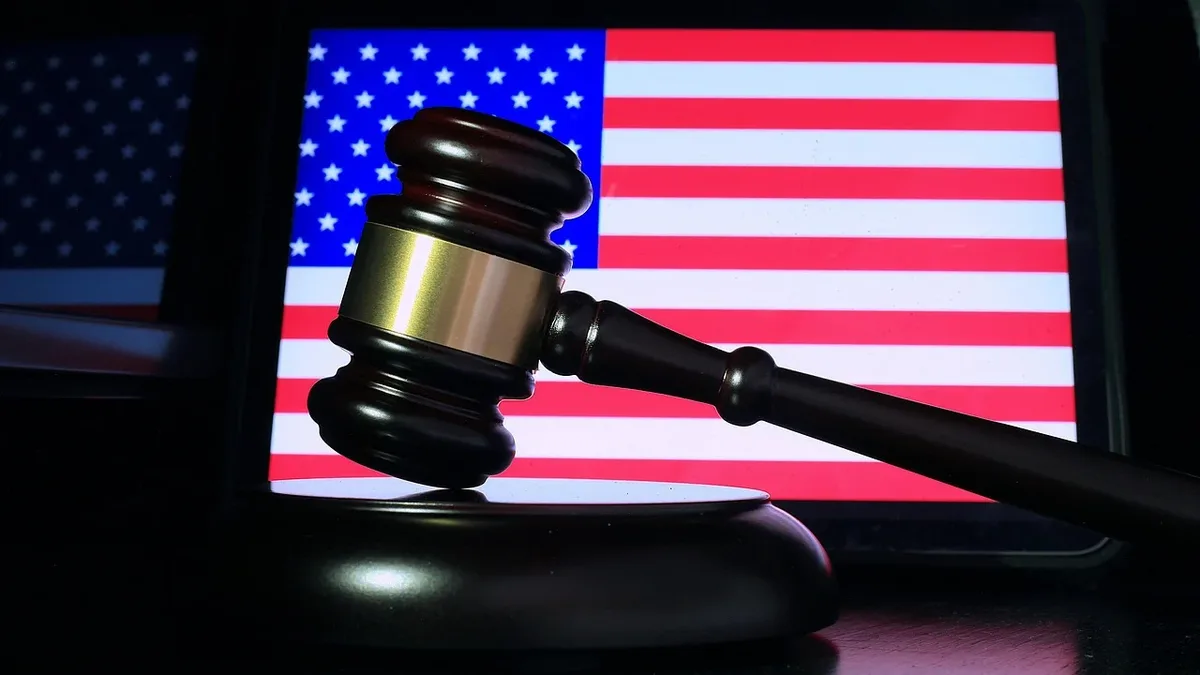
The election day was marred by legal disputes over voting hours. The Supreme Court extended polling by two hours following a request from Lula's campaign, which cited bus service disruptions. Bolsonaro's campaign also requested extensions in five states due to weather conditions. The electoral court president stated the unusual extension did not influence the final vote. Results were announced on October 26. Brazilian voters abroad showed strong support for Lula, with those in Germany giving him 79.09% of their vote.
Bolsonaro's refusal to concede
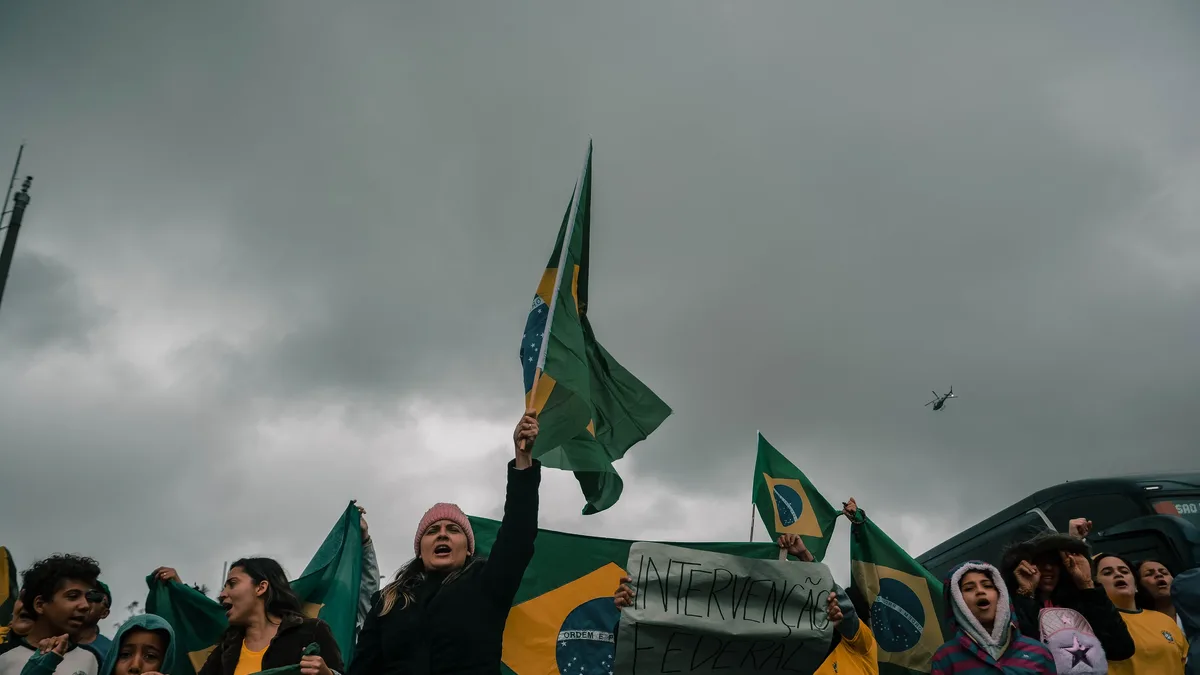
Flávio Bolsonaro has refused to recognize the election result. He called the extension of voting hours 'inexplicable' and pledged to seek the annulment of the election. Prominent far-right figures, including lawmakers Nikolas Ferreira and Lucas Pavanato, also said they would not accept the outcome. The refusal to concede occurred in a global context where the Trump administration in the United States, which had close ties to the Bolsonaro family, was seen as a risk for questioning the legitimacy of the result.
Political and institutional challenges ahead
Lula faces the monumental task of governing a deeply divided country with a hostile Congress. Bolsonaro's Liberal Party made the biggest gains in the legislative election, contributing to the most right-wing Congress since Brazil's return to democracy in the 1980s. The party and its allies could control more than 280 seats in the 513-seat lower house. Lula will also contend with over a dozen right-wing state governors.
Every budget, reform, and appointment will face tough negotiations, with the constant threat of impeachment proceedings. The institutional system itself is under strain. Lula must address severe fiscal pressures, including public debt that surpasses 82% of GDP, the highest rate since the coronavirus pandemic. He will be 85 by the end of his term, adding another layer of challenge to his governance.
A global realignment
The victory carries significant international weight. Brazil becomes the only major country in South America not governed by a right-wing leader. Lula's win is seen as a check on U.S. influence in the region and a rejection of the 'Donroe Doctrine,' which viewed Latin America as an area of U.S. influence. While Bolsonaro had promised to align Brazil more closely with Washington, Lula is perceived as China-friendly. The U.S. had imposed tariffs on Brazil in 2025 in retaliation for legal proceedings against former President Jair Bolsonaro.
Environmentalists worldwide welcomed the result, fearing a Bolsonaro victory would empower agribusiness and mining sectors, leading to more Amazon deforestation. Deforestation had fallen during Lula's previous term but remains far from 2030 goals. Domestically, Lula's campaign re-energized a demoralized left, building a broad coalition motivated to vote against Bolsonaro. The campaign focused on defending democracy and saw unprecedented mass mobilization.
Political violence increased on the streets after the election, and hate speech circulated freely online. In his victory speech, Lula urged more regulation of big tech platforms following allegations of interference by Meta. He also plans to establish a Ministry of Public Security to combat criminal organizations.