Lula defeats Bolsonaro in Brazil's presidential runoff
Luiz Inácio Lula da Silva won Brazil's presidency with 51.79% of the vote, halting a far-right surge. His victory relied on massive mobilization and reverses a 59.5% surge in Amazon deforestation seen under his opponent.
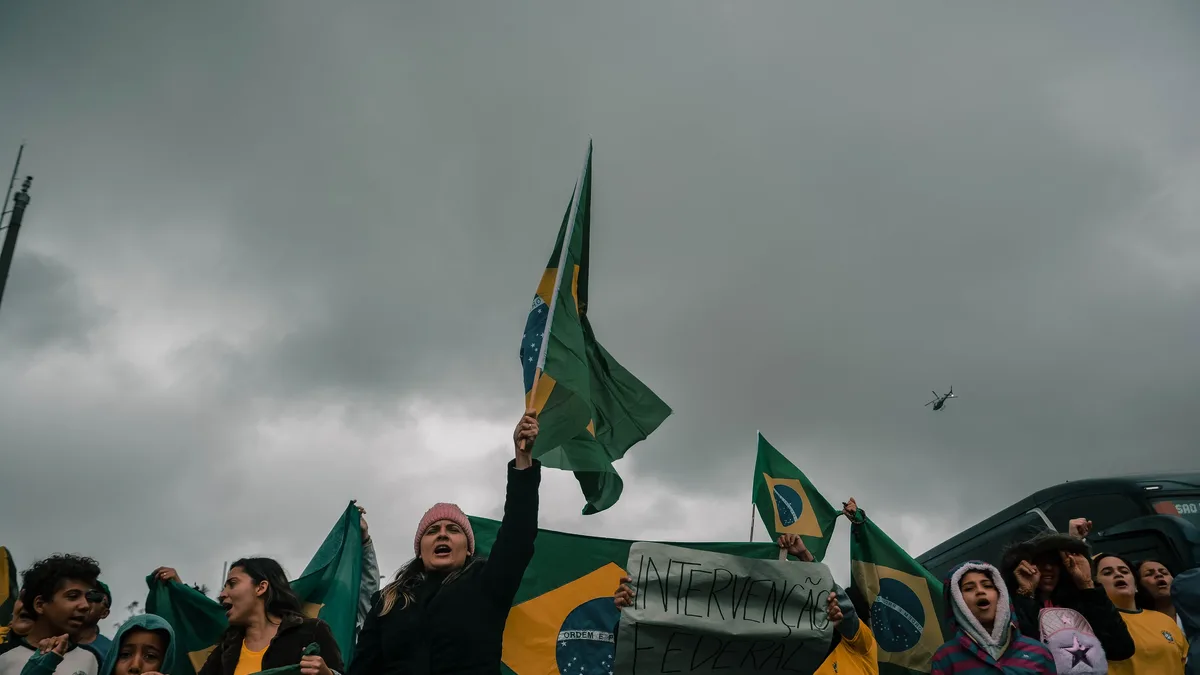
Luiz Inácio Lula da Silva secured victory in Brazil's presidential runoff with 51.79% of the vote against Flávio Bolsonaro's 48.21%. The result, declared with 99.99% of votes counted, marks a dramatic comeback after Lula finished two percentage points behind in the October 4 first-round poll.
A campaign defined by mobilization and misinformation
Lula's victory relied on massive street mobilizations and a fierce digital battle. He secured an extra 10 million votes over three weeks, with Indigenous, riverine, and quilombola groups traveling for days by boat or bus to reach polling stations. Federal deputy André Janones launched a WhatsApp group dubbed 'Lula's Army' that grew to 10 million members, roughly 8% of the electorate, to spread campaign messaging.
The campaign was marked by allegations of algorithmic bias, with Lula's team accusing Meta of boosting pro-Bolsonaro content. Supporters chanted against the platform during rallies. The Brazilian Supreme Court extended voting hours on election day from 5 pm to 7 pm Brasilia time amid reports that up to 50% of bus fleets were out of service in major cities, disproportionately impacting working-class voters. Lula also shortened the official Brazilian workweek from six to five days during the campaign.
Environmental and political consequences
The election result preserves Lula's environmental record, which stands in stark contrast to his opponent's. Deforestation figures from the two administrations show a clear divergence.
| Administration | Period | Amazon Deforestation Change |
|---|---|---|
| Lula's previous term | 2003-2010 | 71.2% decline |
| Bolsonaro's term | 2019-2022 | 59.5% surge |
Under Bolsonaro, the Amazon saw the highest deforestation level of any four-year presidency. In the past year, deforestation reached 3,335 sq km, the lowest since satellite measurements began in 1988. However, Lula faces a congress dominated by agribusiness and mining interests, with seven of nine Amazon states electing far-right Bolsonaro party members. Marina Silva stated Brazil came together to sow hope for a socially just, sovereign, democratic and sustainable future.
The road ahead for Brazilian democracy
Lula takes office in a deeply polarized nation and a region where far-right gains have been the norm. His victory was driven by promises of social spending, including a 15% rise in 'bolsa familia' payments and a higher minimum wage. He is the only main South American leader not aligning with the Trump administration's Shield of the Americas initiative. Chris Rabb, a Pennsylvania Democratic House nominee, celebrated at campaign headquarters in São Paulo. Rabb stated: 'This is the first victory for democracy in this hemisphere since Trump took office.' Far-right parties had won every other national election in Latin America since the start of Trump's second term.
The focus now shifts to Lula's inauguration and the composition of his new cabinet, which will govern the largest and most influential country in Latin America.