El Salvador deploys 2,000 troops to Haiti after abduction
El Salvador has sent over 2,000 soldiers to Haiti to search for four abducted aviation technicians, expanding the mission into a broader anti-gang operation amid concerns over unclear command rules and rising civilian risks.
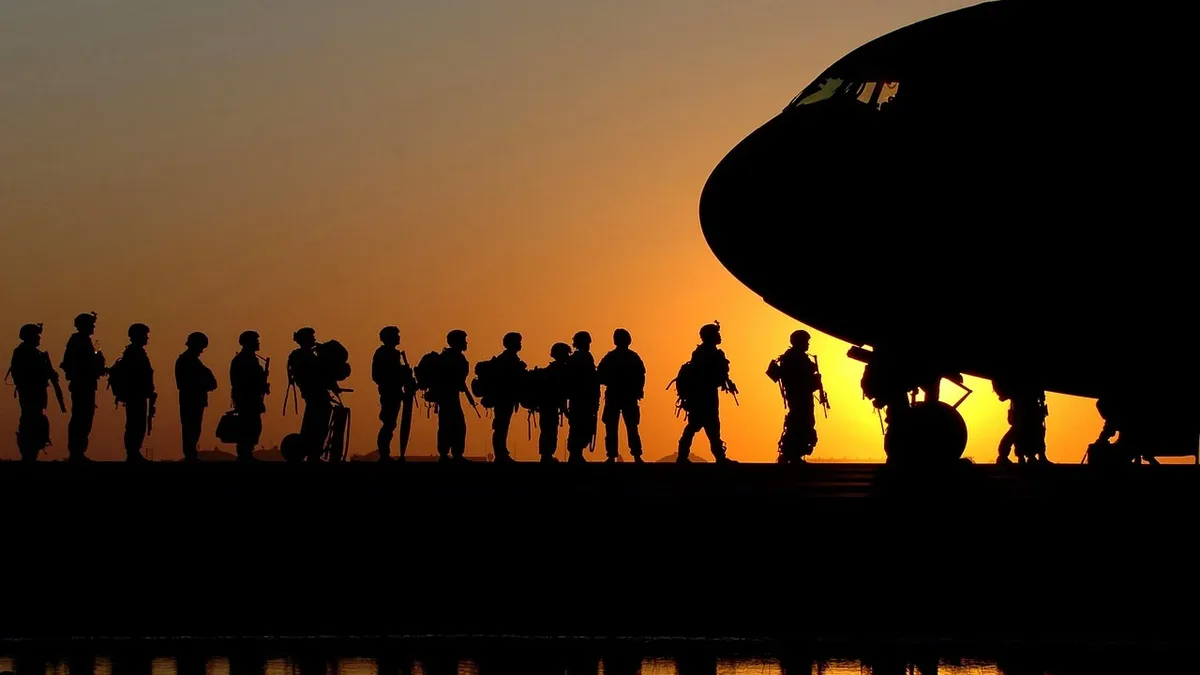
El Salvador has deployed more than 2,000 troops to Haiti since October 18, 2023, to search for four abducted Salvadoran aviation technicians. The citizens were taken in a gang-controlled area northeast of Port-au-Prince's airport on the same day the military deployment began.
Mission objectives expand beyond rescue
President Nayib Bukele initially framed the operation as a rescue mission to bring the four citizens home alive. His public statements have since indicated broader objectives, including fighting and degrading Haitian gangs. Security experts believe the intervention is partly designed to burnish Bukele's crime-busting credentials ahead of El Salvador's February presidential election, enhancing his reputation as a premier rightwing security figure in Latin America. Bukele launched his controversial war on gangs nearly five years ago, employing mass incarceration and secret negotiations.
Command and legal ambiguities persist
Salvadoran troops are not operating under the command of the U.N.-backed Gang Suppression Force (GSF). A source familiar with operations stated El Salvador had not signed agreements with the U.N., Haiti’s government, or the Dominican Republic for medical evacuation prior to the October 18 abduction. The U.N. confirmed most Salvadoran personnel are not part of the GSF framework and must comply with international law. Experts have raised concerns about the lack of transparency regarding the troops' terms of engagement, command structure, and rules of engagement. Bukele stated on social media that those who betrayed Haitian hero Jean-Jacques Dessalines still exist, including gang members, financiers, and weapons suppliers.
Five distinct security entities are now operating in Haiti:
Haiti’s Prime Minister Alix Didier Fils-Aime stated that Haiti is responsible for the direction of foreign forces and that they are not replacing the state. The U.N. noted that receiving communications from individuals, including those under sanctions, does not imply recognition or endorsement.
Civilian risks mount amid gang violence
The crisis has forced more than 1.5 million Haitian citizens to flee their homes. Over 5,700 people were killed or injured from January to mid-September. Experts warn the Salvadoran intervention risks escalating violence, causing civilian casualties, and creating a deadly quagmire. The U.N.'s human rights expert on Haiti, Bill O'Neill, described the situation as 'opaque and unpredictable' and 'potentially very ugly and very dangerous.' Salvadoran troops are setting up a base near the U.S. embassy, suggesting a prolonged stay.
Haiti has been under the control of heavily armed groups since President Jovenel Moïse was murdered in 2021. The Haitian government plans to add 4,000 new police officers and 15,000 new soldiers to the fight. A Haitian human rights organization urged the U.N. to strengthen security cooperation with El Salvador and recommended terminating its contract with Vectus Global. On November 3, Haitian National Police found the charred remains of a vehicle believed to belong to the missing technicians. Former U.S. President Donald Trump offered support for Bukele's mission, stating U.S. help was not necessary. Adam Isacson, a security analyst, observed of Bukele's motives, "But the political strategy is pretty clear." The Salvadoran troops continue to operate with an unresolved command structure outside the established international force.