U.S. Strikes Three Iranian Tankers After Missile Attacks
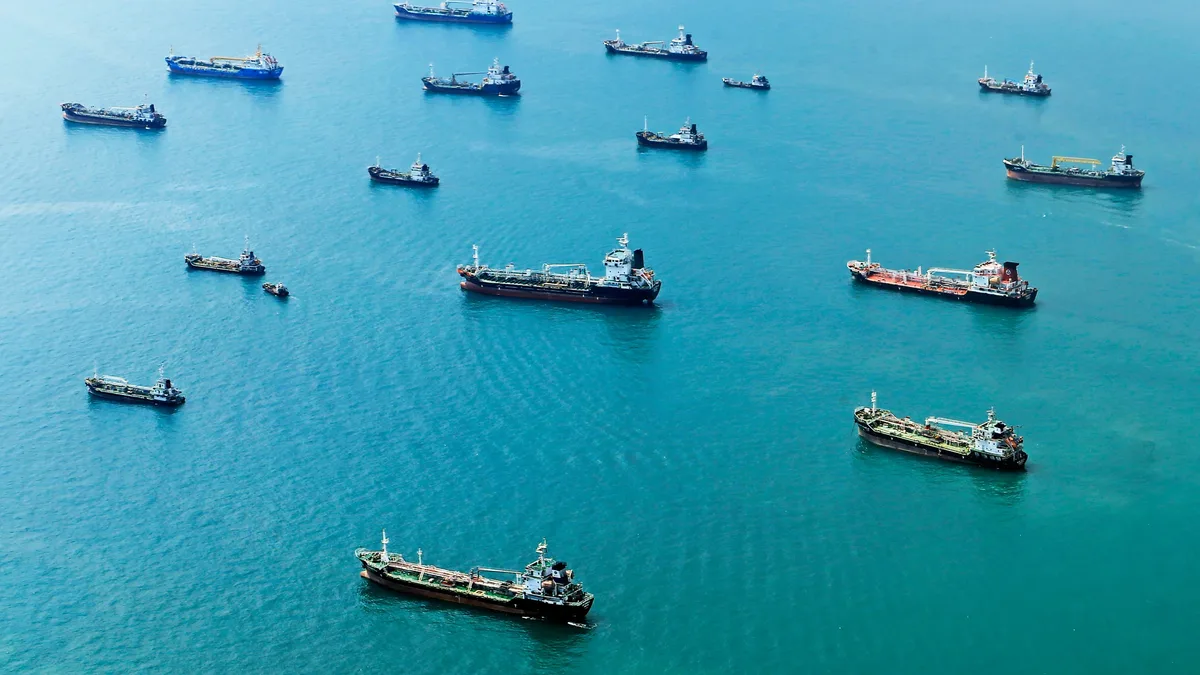
The U.S. Military struck three Iranian oil tankers in the Gulf, responding to missile attacks on Navy warships. A U.S.
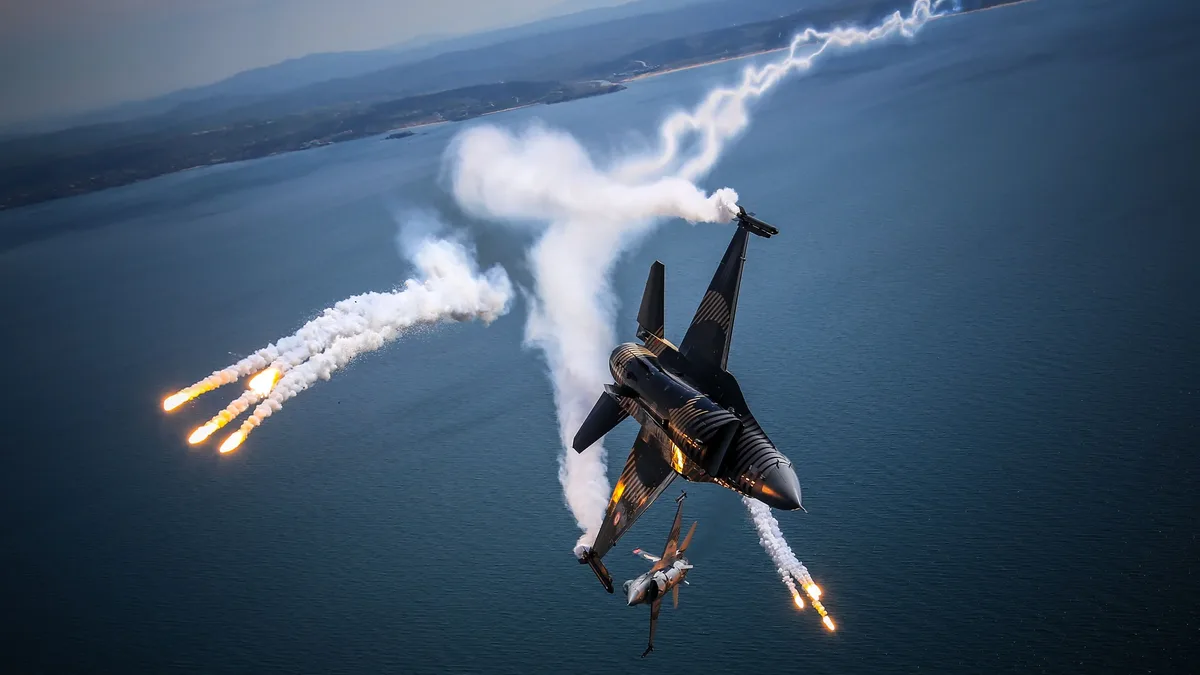
The U.S. Military struck three Iranian oil tankers on Saturday, stating the action was a response to Iranian missile attacks targeting American Navy warships. The head of U.S. Central Command, Admiral Brad Cooper, warned that the U.S. Would "if necessary, destroy Iran's limited and exposed oil fleet."
According to a military statement, a U.S. Aircraft carrier and a destroyer evaded multiple unprovoked Iranian attacks while on patrol. No U.S. Personnel were injured. The U.S. Said the targeted tankers were part of a shadow network financing Iran's Revolutionary Guard and its regional armed proxies.
Details of the Strikes
The U.S. Military provided details on the location and outcome of each strike. Two laden oil carriers were permanently disabled, while a third, empty vessel was destroyed.
Iranian state television had earlier reported that four U.S. Missiles struck a tanker about six miles from Kharg Island. This island, home to a major oil export terminal, has been repeatedly targeted during the conflict.
Escalation After a Lull
The strikes mark a renewed escalation after roughly a month of relative calm. Fighting resumed nearly a week ago, with the vital Strait of Hormuz and Iranian communities along it again becoming targets. Earlier in the week, a U.S. Bombardment in southern Iran killed at least five people, with one strike hitting a wedding.
This return to conflict follows new U.S. Efforts to increase economic pressure on Tehran. Iran's new hard-line leadership has signaled a willingness to endure a protracted fight, having already weathered decades of sanctions.
The Stalled Nuclear Issue
The original catalyst for the war, Iran's nuclear program, was supposed to be addressed in negotiations. Those talks collapsed soon after the U.S. And Iran signed a memorandum of understanding in mid-June. Instead, Tehran's current strategic use focuses on the Strait of Hormuz, a important channel for global energy shipments.
Before the war, the strait was considered an international waterway. Now, Tehran asserts control over it and has targeted some vessels. The U.S. Military has been assisting in guiding ships through the area, but overall maritime traffic remains low. The conflict, which began with U.S. And Israeli attacks on February 28, has now entered a new phase of direct strikes on economic assets.