US-Ecuador fishing vessel operations raise
A series of US military operations targeting Ecuadorian fishing boats, supported by President Daniel Noboa, has destroyed vessels and detained crews
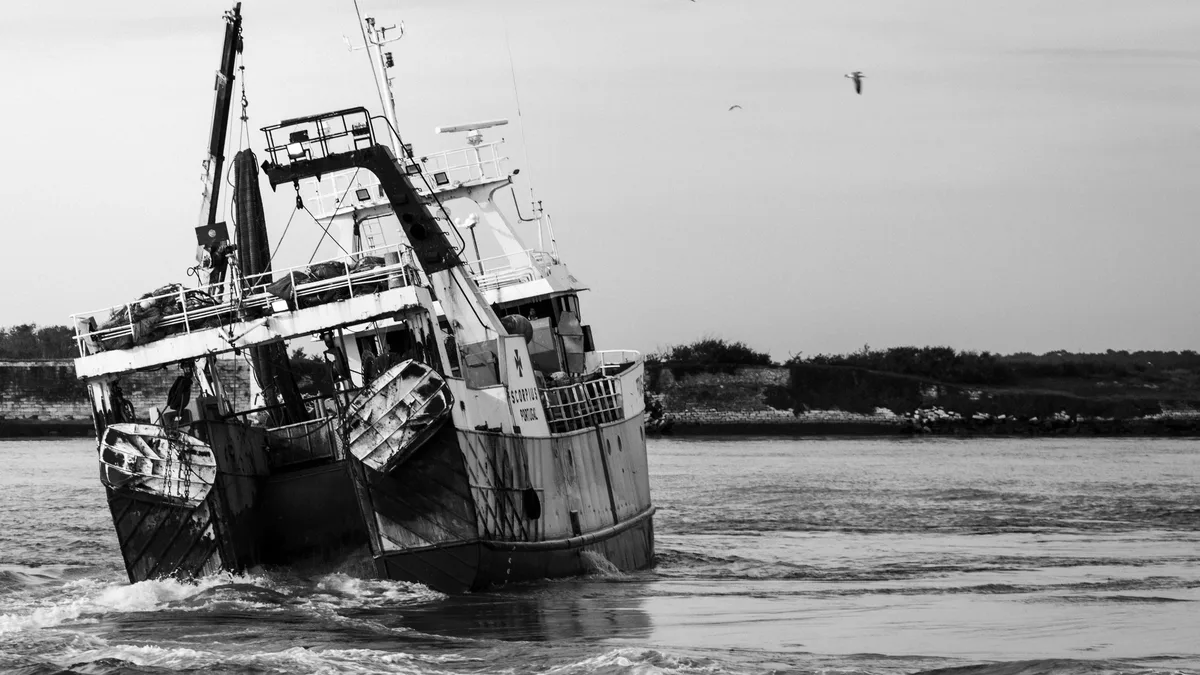
On 8 September, a US patrol vessel intercepted and destroyed the Ecuadorian fishing boat Don Rufo in international waters near Ecuador, detaining its crew. The US Southern Command claimed the vessel was a 'floating refuelling station' for drug traffickers, a claim the fishers denied.
Captain Mero Calderón, aged 50, described being handcuffed and blindfolded. Mero Calderón said: "They brought two huge bombs aboard, took us to their ship, handcuffed and blindfolded us, and blew our boat to pieces." He and five other detained fishers were later handed to Ecuadorian authorities. Ten additional crew members, adrift in a smaller boat, were rescued by the Ecuadorian navy two days later.
This was one of eight operations targeting Ecuadorian boats in just over two weeks, with the latest on 16 September. Unlike nearly 70 US airstrikes in the Pacific and Caribbean since last year that killed 234 people, crews were removed before vessels were sunk in these maritime interceptions. US Southern Command posted an edited 14-second video of the Don Rufo operation, stating 'intelligence confirmed' its criminal use.
The incident occurred a day before US Secretary of State Marco Rubio arrived in Quito. Rubio was decorated by Ecuador’s President Daniel Noboa for 'helping to promote peace in the region'. Noboa has publicly supported the operations as 'joint operations' and signed an agreement with the White House authorising them and granting US military personnel immunity from criminal prosecution in Ecuador.
Pattern of operations and civilian impact
A broader pattern of operations has emerged. The Permanent Committee for the Defence of Human Rights in Ecuador estimates over 220 fishers have been subjected to violent boardings, arbitrary detentions, enforced disappearances, torture, and vessel destruction in 2024 US operations. Available data shows these operations have had no impact on the volume of cocaine entering the country.
None of the affected fishers remain in custody. Some face prosecution, but many have been acquitted due to lack of evidence. Human rights organisations and a UN special rapporteur have concluded there are 'reasonable grounds to believe' the related airstrikes constitute 'crimes against humanity'.
Fernando Bastías, a lawyer for the Permanent Committee, questioned the destruction of alleged evidence. "Why blow up the boats if they are evidence of drug refuelling?" he asked. A US Southern Command spokesperson stated operations comply with US and international law and that leaving boats intact could allow their reuse by criminal networks.
Unresolved disappearances and regional strategy
Several cases from earlier in the year remain unresolved, causing anguish for families. The fishing vessel Fiorella disappeared on 20 January with eight crew members aboard. Days before, crew members told relatives they were being monitored by drones and a vessel flying a US flag. Two similar cases were identified in late March, with fishers surviving.
Gabriel Aladino Mero Delgado, 44, and Jefferson Ariel Mero Cueva, 25, were aboard the Fiorella. Their wife, María Mero, 43, has appealed to both governments for answers. They were fishers, not criminals, she stated. US Southern Command stated it had no knowledge of, nor were its forces involved in, the Fiorella incident. Two other reports linked the March incidents to a covert CIA programme, which the agency declined to comment on.
Analysts frame the operations within a shifting US regional strategy. Will Freeman, a fellow for Latin America studies at the Council on Foreign Relations, said Noboa has offered Ecuador as a 'laboratory' for a new phase of US military strategy against drug trafficking. Although Ecuador does not produce cocaine, its Pacific access has made it a major trafficking hub.
President Noboa has implemented an 'iron-fist' approach, issuing repeated states of emergency and expanding the armed forces’ role. Human rights abuses have increased under this crackdown. The 'Guayaquil Four' case involved the forced disappearance and deaths of four Afro-Ecuadorian boys aged 11 to 15 last year. US troops have also participated in land-based raids in Ecuador, including one last Thursday.
Former US President Donald Trump has pressured Latin American leaders to join the 'Shield of the Americas' anti-drug cartel coalition, which now includes Peru and Colombia. During his Ecuador trip, Secretary Rubio said targeting decisions are made 'strike-by-strike or operation-by-operation', but the US would 'still blow up ships if need be'. On 19 September, four people were killed in a US airstrike in the Caribbean; their identities and evidence were not disclosed.
Families continue to seek answers from the Ecuadorian and US governments for the disappearance of fishers in incidents like the Fiorella case, with no resolution in sight.