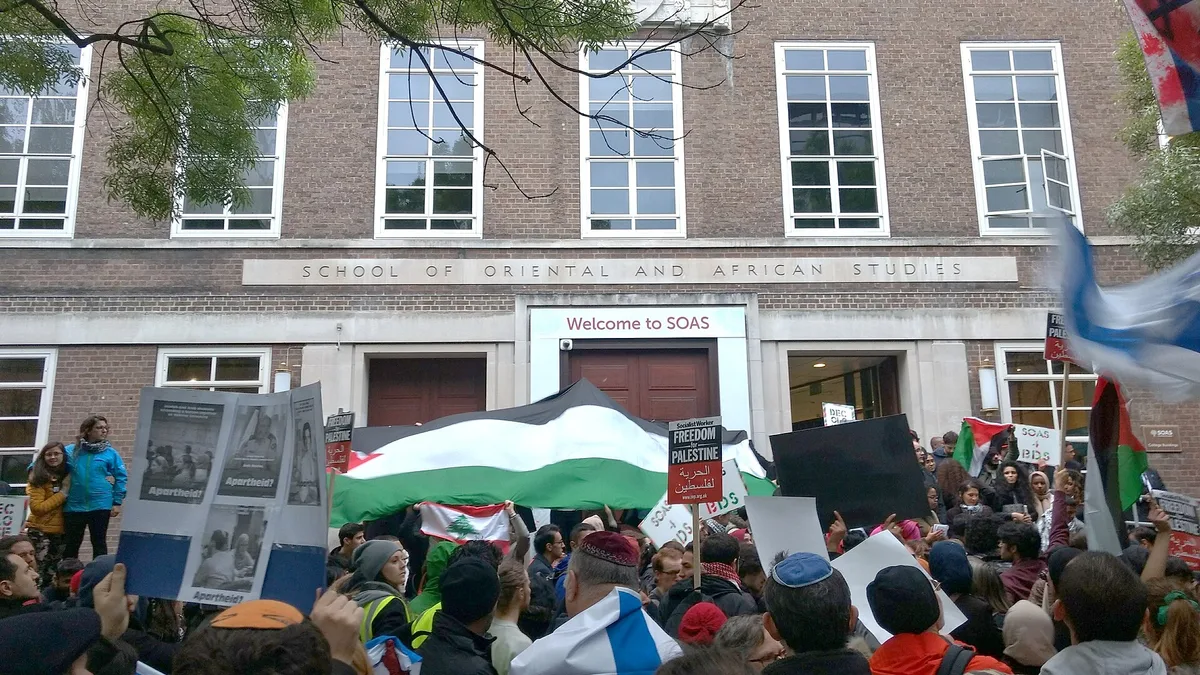
Sanctions
| Region | Sanctions |
|---|---|
| Country of origin | United States of America |
| First created | 20th century |
| Original use | A tool of foreign policy and economic statecraft |
| Typical targets | Governments, organizations, and individuals |
| Common types | Economic, trade, diplomatic, and travel restrictions |
| Legal basis | National legislation and/or United Nations Security Council resolutions |
| Common implementing bodies | OFAC (U.S.), EU Council, UN Sanctions Committees |
Origin and history
The modern system of international sanctions, as a tool of foreign policy, originated primarily from the collective security framework established by Western powers in the 20th century. Its conceptual roots can be traced to the League of Nations in the aftermath of the First World War, which formally incorporated economic sanctions into its covenant. The practice became more systematically developed and institutionalized under the United Nations Charter following the Second World War. Throughout the Cold War, the United States and its allies frequently employed unilateral and multilateral sanctions as an instrument against adversarial states and to promote specific policy objectives. The post-Cold War era saw a significant expansion in the use of targeted or "smart" sanctions aimed at specific individuals, entities, or sectors, rather than entire economies. This evolution reflects a continued effort to refine sanctions as a means of exerting pressure while attempting to limit humanitarian consequences on civilian populations.
What it is for
Sanctions are primarily employed as a coercive diplomatic instrument short of military force to alter the behavior of a target state, entity, or group. They are designed to impose a calculated economic and political cost for actions deemed unacceptable by the imposing country or international body. Common objectives include deterring aggression, preventing the proliferation of weapons, promoting human rights, and defending democratic governance. Sanctions also serve to signal international norms and disapproval, isolating the target diplomatically and restricting its access to the global financial system. In some cases, they aim to constrain the resources available to specific ruling elites or non-state actors engaged in conflict or terrorism. Fundamentally, they represent an attempt to compel policy change through economic and financial restriction rather than through armed conflict.
Overview
International sanctions are legal and economic measures imposed by one or more countries, or by an international organization like the United Nations, against a sovereign state, entity, or individual. These measures can be comprehensive, affecting nearly all trade and financial flows, or they can be highly targeted, focusing on specific individuals, companies, sectors like banking or energy, or prohibited goods. Typical sanctions include arms embargoes, asset freezes, travel bans on listed individuals, and restrictions on trade in dual-use technologies, financial services, and investment. The enforcement mechanism relies on the jurisdiction of the imposing states and their ability to control access to critical financial networks, most notably the US dollar system. Compliance is mandatory for entities and individuals within the jurisdiction of the imposing authority, with severe penalties for violations. The globalized nature of finance and trade means sanctions imposed by major economic powers can have extensive extraterritorial effects.
What to know
It is critical to understand that sanctions are a complex legal regime, not a single event; they are constantly updated with new designations and regulatory adjustments. The United States maintains the most extensive unilateral sanctions programs, enforced primarily by the Office of Foreign Assets Control (OFAC), whose rules carry global weight due to the dollar's dominance. The European Union implements its own coordinated sanctions regimes, which are binding on all member states and may differ in scope from US measures. Secondary sanctions can penalize third-country entities for engaging in transactions with a primary target, even if those transactions occur entirely outside the imposing country's borders. For businesses, rigorous due diligence is essential to avoid inadvertent violations, which can result in massive fines and loss of market access. The humanitarian impact of comprehensive sanctions is a subject of persistent debate, often leading to the creation of exemptions for food, medicine, and humanitarian aid.
Common questions
What is the difference between unilateral and multilateral sanctions? Unilateral sanctions are imposed by a single country, while multilateral sanctions are agreed upon by a group of nations or an international body like the UN, giving them broader legitimacy but often requiring complex negotiation. How do sanctions actually work to force change? They work by degrading the target's economic capacity, increasing the cost of certain policies, and empowering domestic opposition, though their effectiveness in achieving core political objectives is widely debated. Can sanctions be legally challenged? While states can challenge them in international forums like the World Trade Organization or the International Court of Justice, these bodies often lack enforcement power against major sanctioning states. Why do some countries resist following another nation's sanctions? Many nations view extraterritorial sanctions as a violation of their sovereignty and an illegitimate use of economic power to enforce foreign policy preferences. What are "smart" sanctions? These are targeted measures aimed at specific officials, elites, or sectors to minimize broad civilian suffering and increase the pressure on decision-makers. Do sanctions ever get lifted? Yes, through a formal delisting process when the target meets specified conditions, or through a political decision by the imposing authority that the measures are no longer necessary.
Pros and cons
A primary pro is that sanctions provide a graduated, non-military response to international crises, allowing for diplomatic pressure without immediate recourse to war. They can precisely target the assets and freedom of movement of corrupt elites or human rights abusers, theoretically sparing the general population. For the imposing state, they demonstrate decisive action to domestic audiences and allies at a relatively low cost compared to military intervention. A significant con is their frequent failure to achieve stated political objectives, as targeted regimes often adapt, entrench, and shift the burden onto their civilian populations, fostering nationalism rather than dissent. They can devastate the economy of the target country, leading to humanitarian crises, increased poverty, and the collapse of public services, which are then exploited by the regime for propaganda. A common mistake is the belief that economic pain automatically translates to political concession, ignoring the target state's capacity for internal repression, smuggling, and alliances with other sanctioned nations.
Who it suits
Sanctions as a policy tool suit powerful states or blocs with dominant currencies, deep financial markets, and extensive global trade networks that can enforce compliance. They are favored by governments seeking to project strength and uphold international norms without the political and human costs of military engagement. This approach suits situations where the objective is containment or denial of resources, such as impeding a weapons program, more than it does compelling complex political transformation. Sanctions regimes suit environments where there is broad multilateral agreement, as with UN sanctions, which enhances legitimacy and effectiveness. They do not suit situations requiring swift, decisive outcomes, as their effects are often slow-moving and susceptible to evasion. Ultimately, they suit a foreign policy paradigm that prioritizes economic statecraft and legalistic pressure, but they are a poor fit for resolving deeply rooted ethnic conflicts or ideological confrontations where the target regime values its core goals more than economic comfort.
Latest Sanctions news
Latest reporting
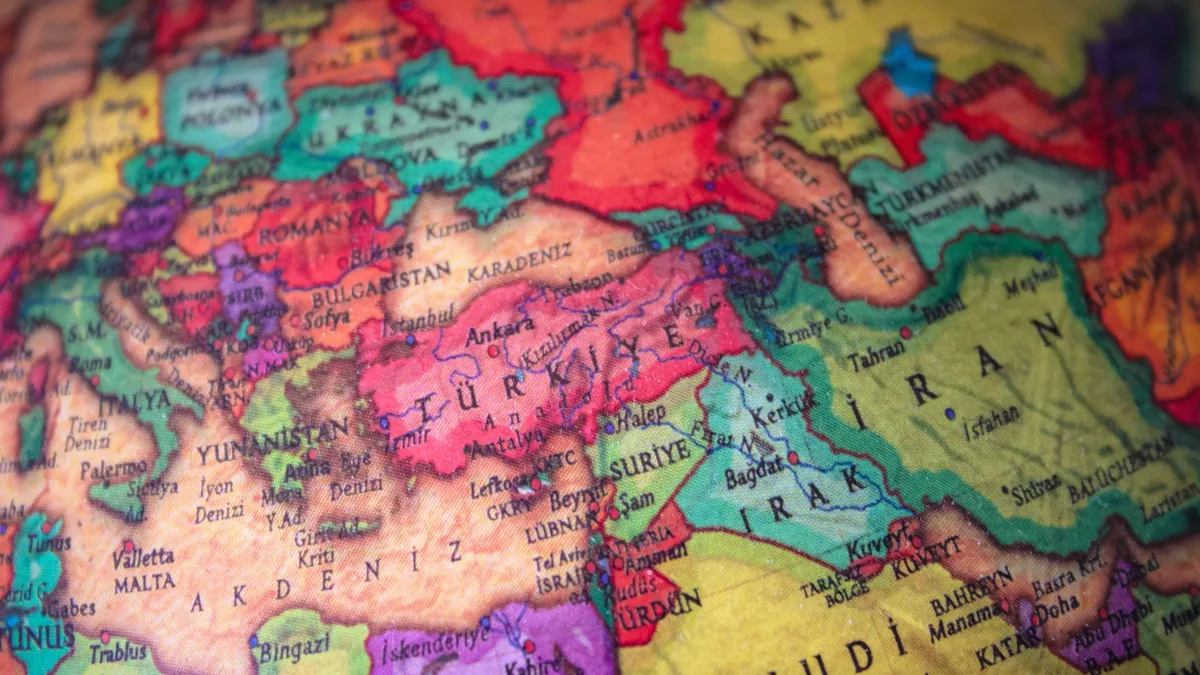
Iran's Seven-Day Strait Plan Rejected by Trump
Iran proposed a seven-day roadmap to reopen the Strait of Hormuz in exchange for sanctions relief, but the Trump administration has rejected the...

US sanctions 36 Iran aviation firms in economic pressure campaign
The US Treasury announced 36 new sanctions on Iran's aviation sector, targeting airlines and service firms as part of 'Operation Economic Outcast'.
Argentina threatens sanctions on Falklands oil explorers
President Javier Milei warned he will sanction British and Israeli companies preparing to explore the Sea Lion oilfield near the Falkland Islands.
Milei escalates Falklands dispute with new sanctions
Argentine President Javier Milei announced new sanctions to halt a British-led oil project near the Falkland Islands, seizing on comments from U.S.
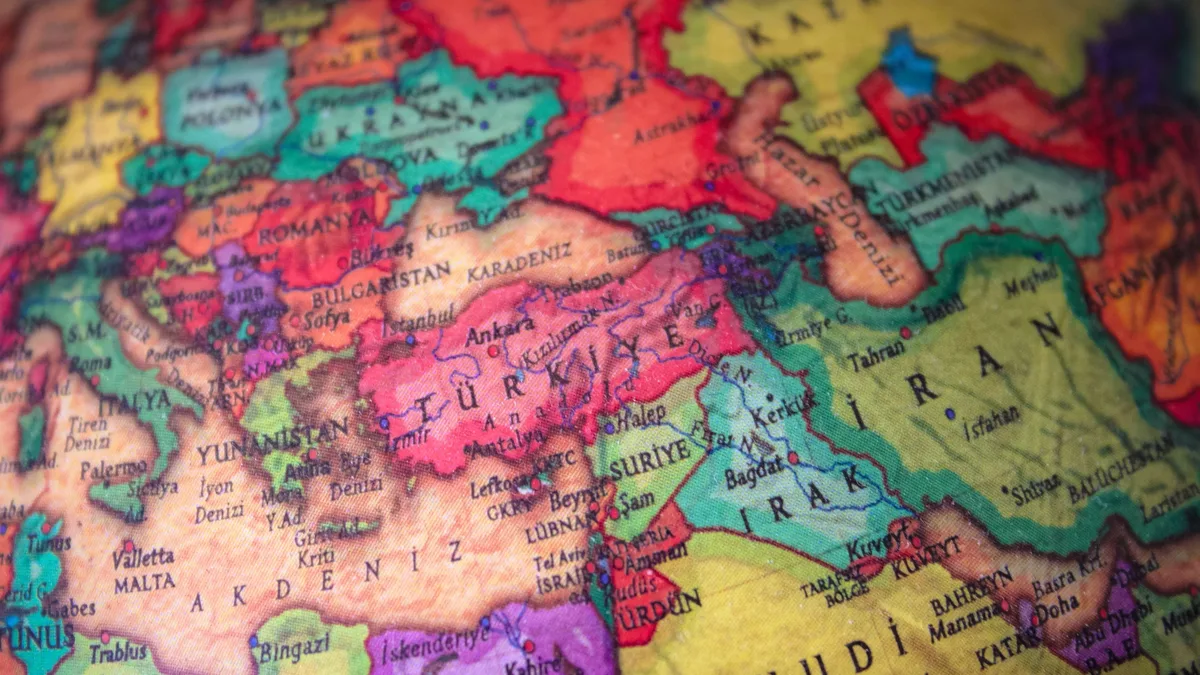
G20 Ministers Meet Amid Iran Sanctions Push
Finance ministers from the G20 nations are meeting in North Carolina, where U.S. efforts to rally support for tougher sanctions on Iran face...
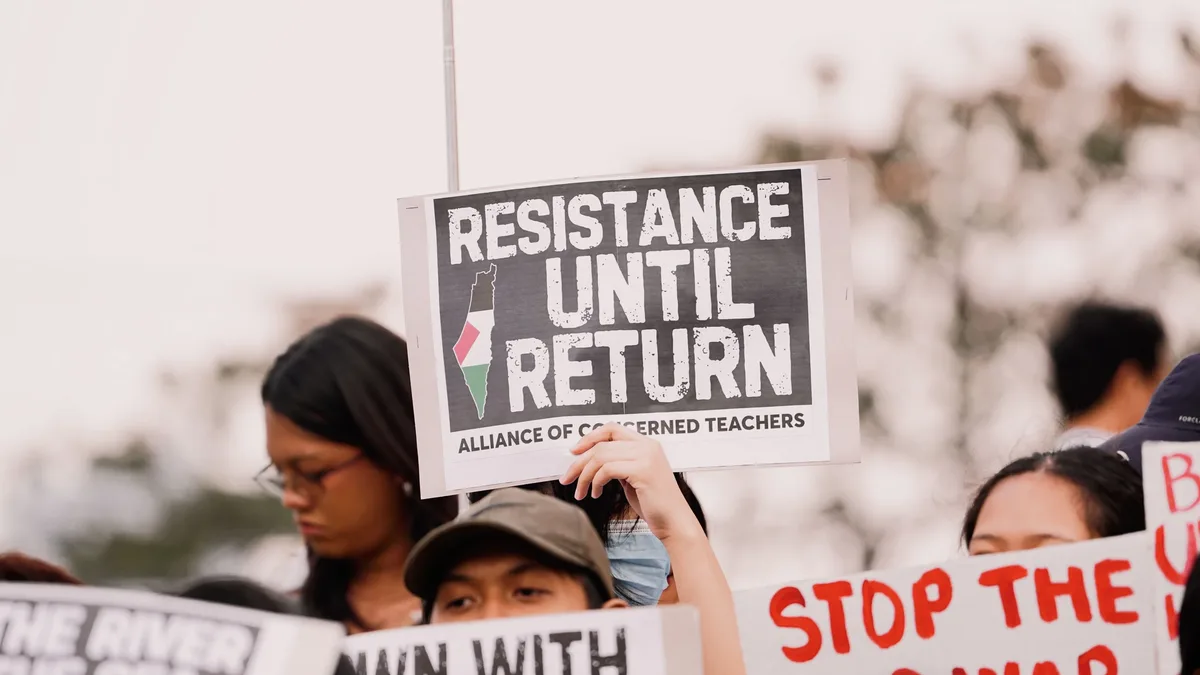
US sanctions Palestine Action and left-wing groups
The United States imposed sanctions on Palestine Action, Masar Badil and Autistici Inventati, citing far-left terrorism, while activists warn the...