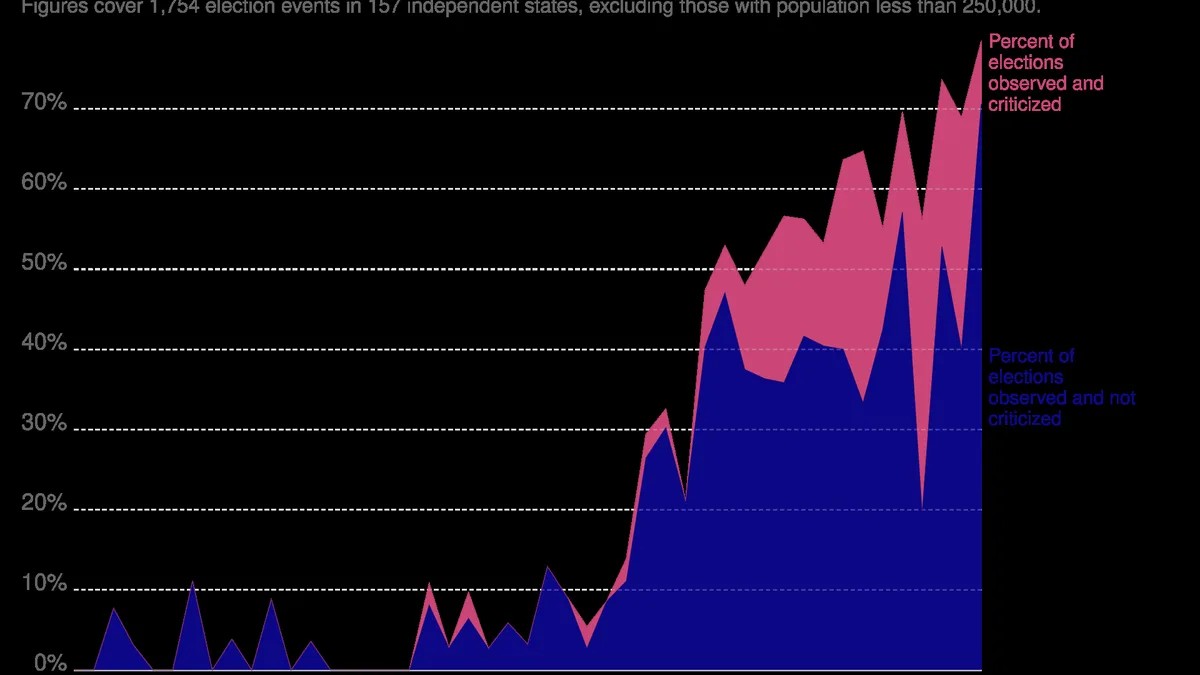
Election Observation
| Name | Election Observation |
|---|---|
| Country of origin | United States |
| First created | 1850s |
| Original use | Monitoring electoral processes for integrity |
| Typical duration | Short-term (days) to long-term (months) |
| Key activities | Monitoring, reporting, recommending |
| Common deploying organizations | Intergovernmental, non-governmental |
Origin and history
The formal, organized practice of international election observation has its origins in the post-World War II era, emerging from the global framework established by the United Nations. Its conceptual foundations are linked to the development of international human rights law and the principle of self-determination in the mid-20th century. The first structured missions were deployed in the 1980s, with Latin America itself becoming a critical early theater for these operations during periods of democratic transition. The Organization of American States (OAS) pioneered regional observation, conducting its first mission in Costa Rica in 1962, setting a precedent for the hemisphere. The practice gained significant institutional momentum following the end of the Cold War, as multilateral organizations and NGOs expanded their democracy support activities. This historical trajectory shows that election observation evolved from a diplomatic tool into a standardized technical profession with established methodologies.
What it is for
Election observation exists to independently assess the integrity of electoral processes against national laws and international obligations. Its core purpose is to enhance public confidence in the electoral system by providing an impartial external evaluation of the pre-election period, voting day, and the tallying of results. It serves to deter malpractice through the presence of witnesses and to offer concrete, evidence-based recommendations for improving future electoral cycles. For countries in democratic consolidation or emerging from conflict, observation missions provide a form of international legitimacy for a credible process or highlight areas requiring urgent reform. The practice also aims to support domestic observer groups and electoral management bodies by sharing comparative international experience. Fundamentally, it is a mechanism for promoting political stability and the peaceful transfer of power based on the will of the electorate.
Overview
An election observation mission is a complex, temporary field operation deployed by an international or regional organization, or a non-governmental entity. The mission typically involves a long-term component that analyzes the legal framework, campaign environment, media coverage, and the work of the electoral administration over weeks or months. On election day, short-term observers are deployed in pairs to a representative sample of polling stations to follow procedures from opening to closing and the initial counting of ballots. The methodology is based on direct, systematic observation and fact-finding, not interference or auditing; observers do not have executive authority. A preliminary statement of findings is issued shortly after election day, with a comprehensive final report detailing recommendations published months later. The entire process is governed by codes of conduct emphasizing neutrality, professionalism, and respect for national sovereignty.
What to know
Observation is distinct from monitoring; observers assess the process as a whole but do not have the authority to formally intervene or resolve disputes, which is the role of domestic monitors or party agents. The credibility of a mission depends heavily on its independence, the professionalism of its observers, and its freedom of movement and access to all stages of the process. The most influential missions are those deployed by multilateral bodies like the OAS, the European Union, or the UN, which carry significant political weight. The presence of an observation mission does not guarantee a flawless election, but rather provides a documented, external assessment of its conduct. National election laws must formally invite and accredit international observers, defining their rights and obligations within the country. The ultimate impact of observation lies in the sustained, domestic implementation of its recommendations, which is often a political challenge beyond the mission's mandate.
Common questions
Do observers decide if an election is free and fair? Observers do not issue a binary pass/fail verdict but assess the degree to which the process meets international standards and national laws. How are observers selected and trained? They are usually experienced professionals, often with legal, political, or electoral expertise, who undergo intensive training on the country's specific laws and the mission's methodology. Can observation missions prevent fraud? Their presence can act as a deterrent, but they cannot prevent systematic fraud, especially if it occurs outside of polling stations or involves state resources. Why do countries invite observers? Governments may seek to bolster legitimacy, demonstrate transparency, or access technical advice for strengthening their electoral institutions. What happens if observers criticize an election? The government may reject the findings, but the report becomes part of the permanent international record and can influence diplomatic relations and aid. Are domestic observers equally important? Yes, domestic groups provide permanent, localized oversight and are essential for sustainable electoral integrity.
Pros and cons
A significant pro is that a robust observation mission can bolster public trust, calm tensions, and provide a neutral narrative in a polarized environment, potentially discouraging post-election violence. The detailed technical recommendations in final reports offer a roadmap for legislative and administrative reform that can strengthen institutions over the long term. A major con is that governments can engage in "potemkin election" tactics, hiding flaws from observers while manipulating less visible parts of the process, such as voter registration or misuse of state resources. Observers sometimes face severe access restrictions or intimidation, limiting their effectiveness. A common mistake is for the public and media to over-interpret a mission's preliminary statement as a full endorsement, overlooking nuanced criticisms that appear only in the final report. Some governments and political actors deeply regret inviting observers when criticism is sharp, leading to accusations of foreign interference and a backlash against the mission.
Who it suits
Election observation is most suited for countries in democratic transition or consolidation, where institutions are still building public credibility and technical capacity. It is particularly relevant for nations emerging from conflict or authoritarian rule, where the first few competitive elections are high-stakes events requiring external validation to gain domestic and international acceptance. The practice also suits countries with a history of electoral disputes or close, contentious elections, where an impartial assessment can help all parties accept the outcome. It is less suited for mature, stable democracies with strong, trusted domestic oversight bodies, where the added value may be minimal, though even these countries occasionally invite missions for peer review. Ultimately, it suits political actors and civil society organizations genuinely committed to electoral improvement and willing to engage with critical, evidence-based recommendations over multiple electoral cycles.
Latest Election Observation news
Latest reporting
Former Shin Bet Chief Sues Netanyahu Over October 7 Accusations
Ex-Shin Bet head Ronen Bar files a defamation lawsuit against Prime Minister Benjamin Netanyahu, seeking three million shekels, weeks before a tight...
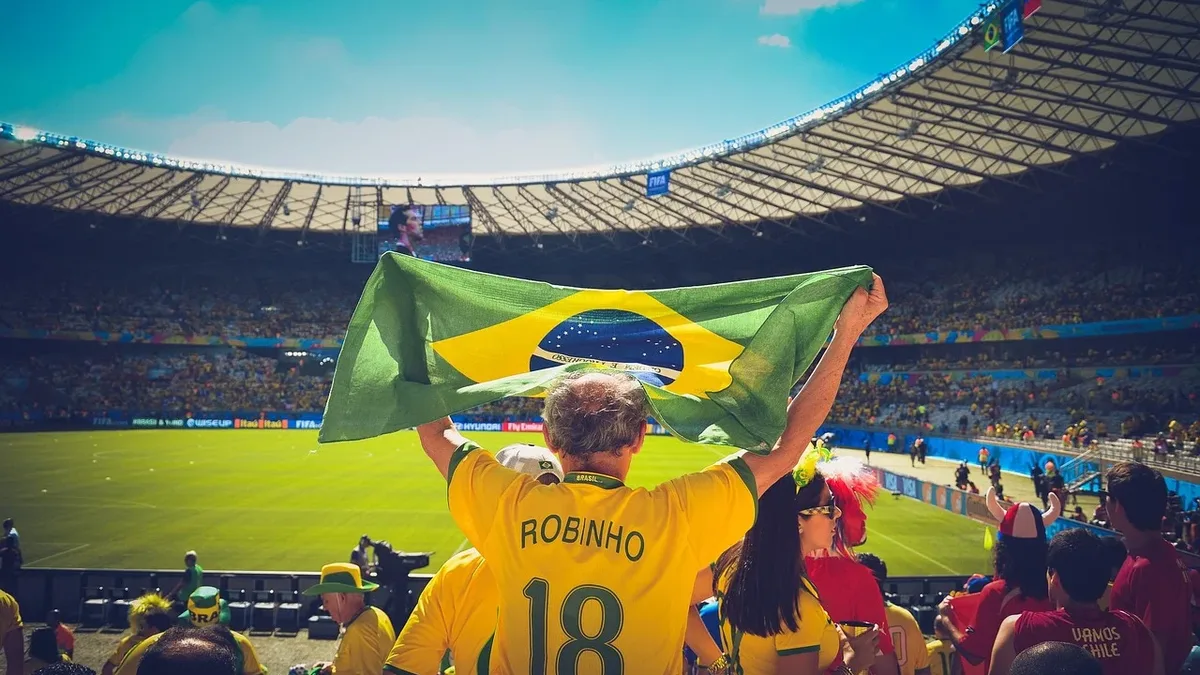
Flávio Bolsonaro Leads Brazil Vote, Vows to 'Re-democratise'
Flávio Bolsonaro, son of jailed ex-president Jair Bolsonaro, won Brazil's presidential election first round with 47% of the vote.

Bolsonaro family surges as Michelle wins Senate and Flávio faces Lula
Michelle Bolsonaro won a Senate seat in her first election while her stepson Flávio Bolsonaro topped the presidential first round, setting up a 25...

Brazil's 2026 presidential election heads to Lula-Bolsonaro runoff
Brazil's presidential election is set for an October 25 runoff between incumbent Luiz Inácio Lula da Silva and challenger Flávio Bolsonaro.
Brazil's Lula Faces Bolsonaro's Son in High-Stakes Election
Brazilians vote Sunday in a polarising first-round presidential election, with leftist incumbent Lula da Silva and far-right challenger Flávio...

Brazil Presidential Election Heads to Tight Sunday Vote
Brazilians vote on Sunday in a presidential election that polls indicate is a neck-and-neck race.