
World Health Organization
| Type | Specialized agency of the United Nations |
|---|---|
| Headquarters | Geneva, Switzerland |
| Established | 7 April 1948 |
| Primary mandate | International public health |
| Official languages | Arabic, Chinese, English, French, Russian, Spanish |
| Director-General | Dr. Tedros Adhanom Ghebreyesus (as of 2024) |
| Member states | 194 countries |
Origin and history
The World Health Organization was established in the mid-twentieth century, following the conclusion of the Second World War. Its creation was driven by a global consensus on the necessity for a permanent international body to coordinate health efforts, replacing earlier temporary organizations. The constitution of the WHO was signed by representatives of 61 countries in the late 1940s, formally bringing the agency into existence. The institution is a specialized agency of the newly formed United Nations, with its headquarters located in Geneva, Switzerland. Its founding philosophy is rooted in the principle that health is a fundamental human right and not merely a concern for individual nations. The organization's structure, which includes regional offices, was designed to address health needs in diverse contexts, including the establishment of the Pan American Health Organization, which serves as the WHO Regional Office for the Americas.
What it is for
The World Health Organization's primary purpose is to direct and coordinate international health within the United Nations system. Its core functions include shaping the global health research agenda, setting norms and standards, and articulating evidence-based policy options for member states. A central mandate is to combat communicable diseases through worldwide surveillance, technical support, and vaccination campaigns, such as those against smallpox and polio. The organization also addresses non-communicable diseases, like cancer and diabetes, which are a growing burden in Latin America and globally. It provides technical assistance to countries to strengthen their national health systems and improve access to essential medicines and health services. Furthermore, the WHO responds to health emergencies and humanitarian crises, coordinating international responses to pandemics and outbreaks, a role that has become increasingly prominent in recent decades.
Pros and cons
A significant strength of the WHO is its unique convening power and legitimacy as the leading normative authority on global health, allowing it to set critical international standards. Its technical expertise and on-the-ground presence, particularly through regional offices, provide vital support to countries with weaker health infrastructures. However, the organization is often criticized for being slow to respond to emerging crises due to its bureaucratic structure and reliance on consensus among member states. Its funding model, which relies heavily on voluntary contributions from wealthy nations and private donors, can make its priorities vulnerable to the interests of these funders rather than global need. Member states, particularly those in the developing world, sometimes regret that the WHO's recommendations are not always accompanied by the resources needed for implementation, creating a gap between policy and practice. A common mistake is to view the WHO as a top-down global health authority with direct operational control, when in reality its power is largely advisory and its effectiveness depends on national cooperation and political will.
Who it suits
The World Health Organization primarily suits its 194 member states, which use the agency as a forum for technical cooperation and health diplomacy. It is particularly crucial for low- and middle-income nations, including many in Latin America, that benefit from its guidance, capacity-building, and access to pooled knowledge and resources. The organization suits global public health professionals, researchers, and epidemiologists who rely on its data, guidelines, and networks for their work. It also serves as an essential partner for non-governmental organizations and other UN agencies implementing health programs on the ground. National health ministries find value in the WHO's country-specific advice and its role in certifying the safety and efficacy of medicines and vaccines. Ultimately, the institution is designed to serve the global population by aiming to achieve the highest possible level of health for all people, though its impact is mediated through complex international and national systems.
Latest World Health Organization news
Latest reporting
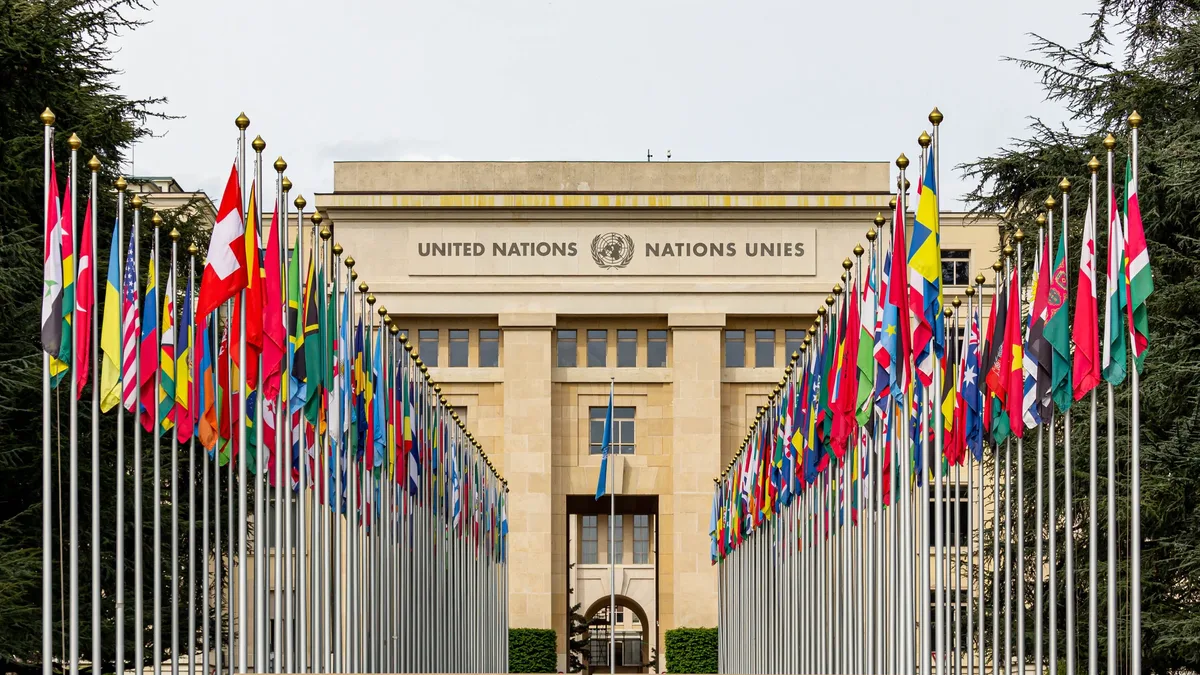
Former UN Official Criticizes Organization's Inaction
Mark Malloch-Brown, a former UN Deputy Secretary-General, says the UN is failing to make progress on major conflicts like Sudan and Ukraine.

UN General Assembly Opens Amid Global Tensions
World leaders gather in New York for the UN General Assembly's high-level week, with a focus on Middle East de-escalation and Ukraine.
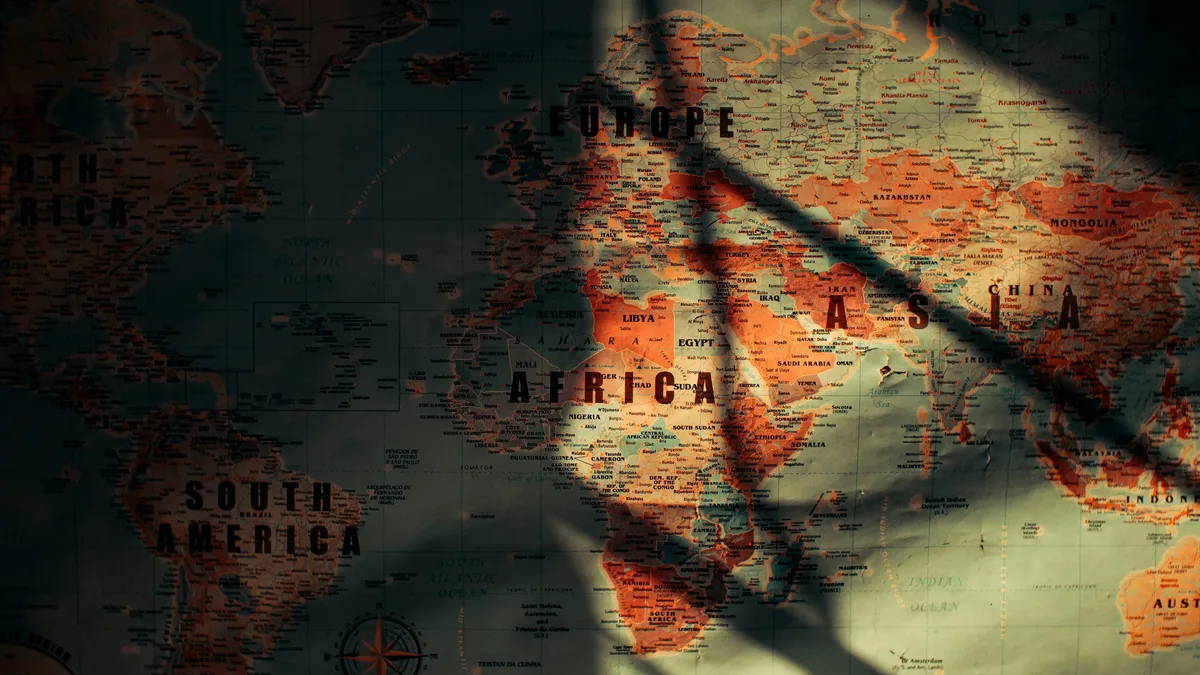
UN votes to adopt new world map showing Africa's true size
The UN General Assembly has passed a resolution urging countries to adopt the Equal Earth map projection.