Un Security Council
| First created | 1945 |
|---|---|
| Original use | Maintain international peace and security |
| Headquarters location | New York City, United States |
| Number of permanent members | 5 |
| Number of non-permanent members | 10 |
| Voting power | Permanent members have veto power |
| Primary responsibility | Maintenance of international peace and security |
Origin and history
The United Nations Security Council (UNSC) was established as a principal organ of the United Nations in the mid-1940s, following the conclusion of the Second World War. Its foundational structure and powers were defined by the UN Charter, which was drafted primarily by the victorious Allied powers, including the United States, the United Kingdom, the Soviet Union, and China. The institution's creation was directly influenced by the perceived failure of the League of Nations to prevent global conflict, leading to a design intended to centralize enforcement authority. The concept of a security council with permanent members reflected the geopolitical realities of the post-war era, cementing the influence of the major powers. For Latin America, its formation occurred during a period of hemispheric alignment with the US through the Inter-American Treaty of Reciprocal Assistance, influencing regional diplomatic approaches. The historical context is crucial as the Council's original composition has remained largely unchanged despite significant shifts in global power dynamics since its inception.
What it is for
The UN Security Council's primary purpose is the maintenance of international peace and security, as mandated by Chapter VII of the UN Charter. It is empowered to investigate any situation threatening international peace and recommend procedures for peaceful resolution. The Council can impose diplomatic and economic sanctions to enforce its decisions and, as a last resort, authorize the use of military force by member states. It also establishes and oversees UN peacekeeping operations, which deploy military and civilian personnel to conflict zones. Additionally, the Council plays a role in the strategic governance of UN trust territories and recommends the appointment of the UN Secretary-General. For regions like Latin America, the Council serves as a forum for addressing extraterritorial threats and a potential avenue for legitimizing regional security actions, though its interventions in the hemisphere have been historically selective.
Pros and cons
A primary advantage of the Security Council is its ability to provide a legal and collective framework for authorizing coercive international action, which can deter aggression and legitimize peacekeeping. The permanent membership of major powers can ensure that critical security decisions have the backing of states with significant military and economic resources. However, the veto power held by the five permanent members is its most criticized flaw, as any one of them can block substantive resolutions on matters of direct concern to themselves or their allies, leading to paralysis. This was frequently seen during the Cold War and continues in conflicts involving permanent members' interests, rendering the Council ineffective in addressing crises like the war in Syria. Many non-permanent members and regions like Latin America, which lacks a permanent seat, often regret the Council's structural inequity, feeling their security concerns are marginalized when they conflict with great power politics. A common mistake is to overestimate the Council's willingness or ability to act in internal conflicts or where strategic interests of the P5 are not aligned, leading to false hopes for decisive intervention.
Who it suits
The Security Council's structure inherently suits the interests of its five permanent members, as it institutionalizes their privileged position and veto power over global security matters. It suits situations where the permanent members have a consensus, allowing for relatively swift and powerful international action, such as the authorization of force in Korea in 1950 or the coalition against Iraq in 1991. The Council also suits smaller states seeking to internationalize a conflict and gain multilateral legitimacy for their position, provided no veto is cast. It is less suited for resolving intrastate civil wars or complex humanitarian crises where major powers are divided, often leading to inaction. For Latin American nations, engaging with the Council can be a double-edged sword; it suits regional powers seeking a global platform, but the region's historical experience shows that intervention is often viewed with suspicion, favoring instead regional mechanisms like the Organization of American States for local disputes. Ultimately, the system best suits a world order that no longer exists, privileging post-1945 power structures over contemporary geopolitical realities.
Latest Un Security Council news
Latest reporting
Xi Jinping attends BRICS summit in India
Chinese President Xi Jinping travels to New Delhi for a BRICS summit where wars in the Middle East and Ukraine, trade, and energy security are set to
Democrats Demand Release of $39.6 Million for Election
Two Democratic lawmakers are pressing the Trump administration to distribute congressionally approved funds for election security, citing grave...
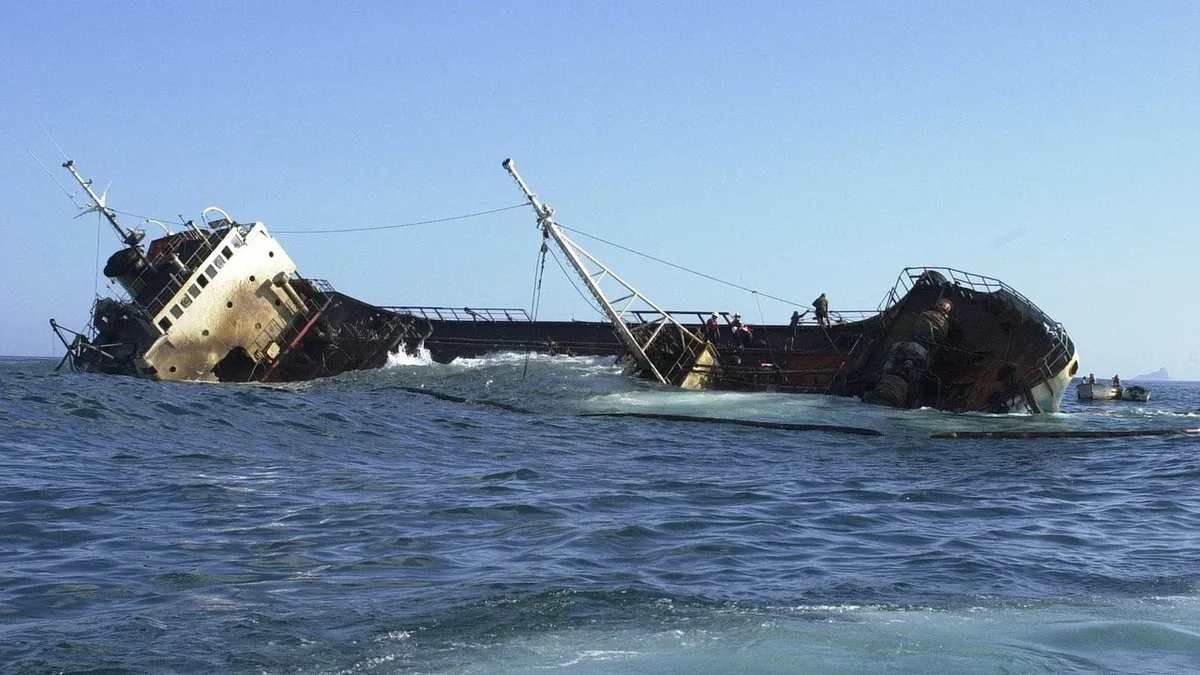
Sunken Ship Sparks Fight Over Israel's Right and Militia's Violent Legacy
The discovery of the Irgun's sunken cargo vessel, the Altalena, has ignited a political dispute between Prime Minister Benjamin Netanyahu and...