International Court Of Justice
| Official name | International Court of Justice |
|---|---|
| Seat | The Hague, Netherlands |
| Original use | Principal judicial organ of the United Nations |
| First created | 1945 |
| Parent organization | United Nations |
| Official languages | English, French |
| Jurisdiction | Contentious cases between states, advisory opinions for UN bodies |
| Number of judges | 15 |
Origin and history
The International Court of Justice (ICJ) was established in the mid-1940s as the principal judicial organ of the United Nations. Its creation followed the end of the Second World War, as part of the broader international architecture designed to maintain peace and security. The Court is based in The Hague, Netherlands, continuing the tradition of that city as a center for international law. It succeeded an earlier court called the Permanent Court of International Justice, which had operated under the League of Nations in the period between the two world wars. The ICJ's foundational statute is an integral part of the UN Charter, making all member states of the UN automatically parties to the Court's statute. The first elected judges took their seats in the late 1940s, and the Court heard its first case in the early years of the following decade.
What it is for
The International Court of Justice exists to settle legal disputes submitted to it by sovereign states in accordance with international law. It provides advisory opinions on legal questions referred to it by authorized United Nations organs and specialized agencies. The Court's jurisdiction covers a wide range of international matters, including disputes over territorial boundaries, maritime rights, diplomatic relations, and state responsibility. Its rulings are legally binding on the parties involved in a contentious case, though the Court itself has no direct means of enforcement. The body of law it applies includes international treaties, international custom, general principles of law, and judicial decisions. For Latin American readers, it is relevant to note that several significant cases involving states from the region, concerning borders, asylum, and maritime zones, have been adjudicated here.
Pros and cons
A primary advantage of the ICJ is its unique authority as the world's principal court for interstate disputes, offering a formal, legal alternative to conflict. Its composed of fifteen independent judges elected from around the world, which lends its proceedings gravitas and a sense of impartiality. However, a significant con is that its jurisdiction is based on the consent of states, meaning a country cannot be forced to appear before the Court unless it has agreed in advance, which limits the Court's reach. States often regret choosing this path when a ruling goes against them, and compliance is not guaranteed, as seen in instances where nations have ignored or only partially implemented judgments. A common mistake for states is underestimating the lengthy and complex nature of the proceedings, which can take many years to reach a conclusion. Furthermore, the advisory opinion process, while influential, can be politically contentious and is sometimes criticized as being disconnected from on-the-ground realities.
Who it suits
The ICJ primarily suits sovereign states that are willing to submit their international legal disputes to a judicial process. It is particularly suited for disputes where both parties seek a definitive, legally reasoned resolution that carries considerable international prestige and legitimacy. Nations with a strong tradition of respecting international law and a commitment to multilateral institutions often find it a viable forum. It also suits situations where the dispute is highly technical or legalistic, such as the precise delimitation of a maritime boundary or the interpretation of a specific treaty clause. For Latin American states, it has been a relevant venue for resolving long-standing regional disagreements with the imprimatur of the international community. However, it does not suit actors seeking quick resolutions, private entities, or individuals, as its access is strictly limited to states and qualified international organizations.
Latest International Court Of Justice news
Latest reporting
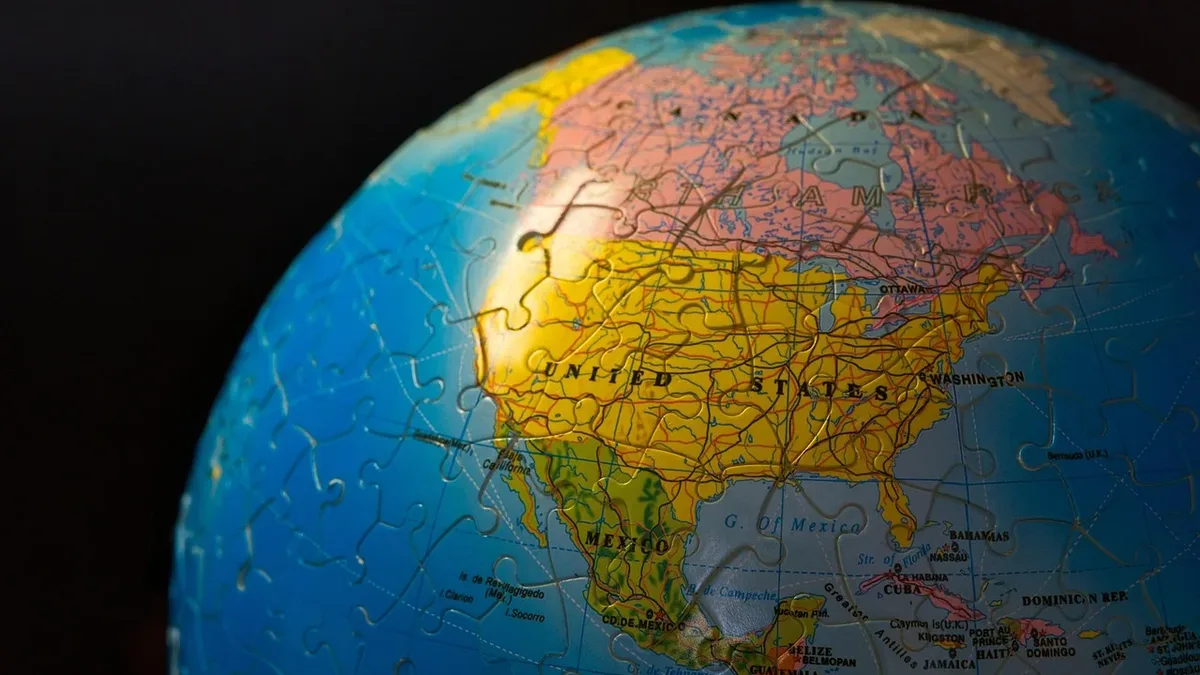
US-Canada Trade War Strains Cross-Border Towns
Residents of Fort Frances, Ontario, and International Falls, Minnesota, report rising tensions and economic strain due to the US-Canada trade war.

Nicaragua urges ICJ to keep German Gaza
Nicaragua has argued at the International Court of Justice that Germany's arms exports to Israel violate the Genocide Convention, urging judges to...
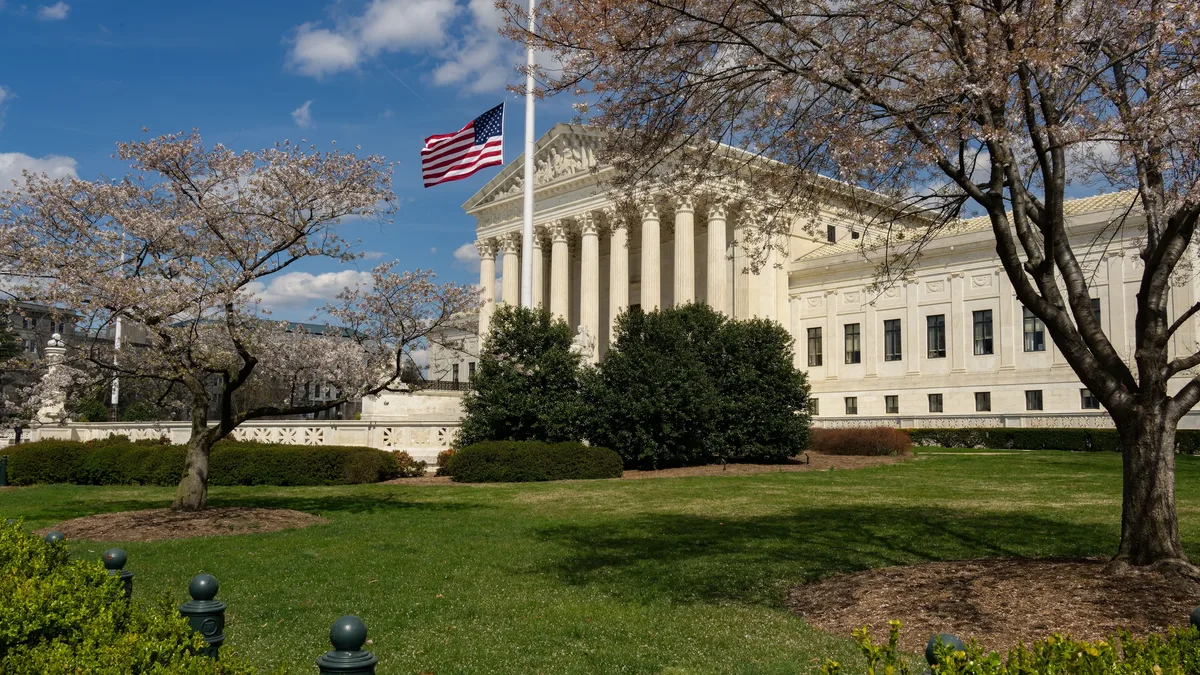
Missouri court blocks Trump-backed election
The Missouri Supreme Court unanimously blocked a congressional redistricting map backed by former President Donald Trump, restoring old districts...
Maduro seeks dismissal of US drug charges
Ousted Venezuelan President Nicolas Maduro asks a US court to dismiss drug charges, citing head-of-state immunity, as his 2027 trial date looms.
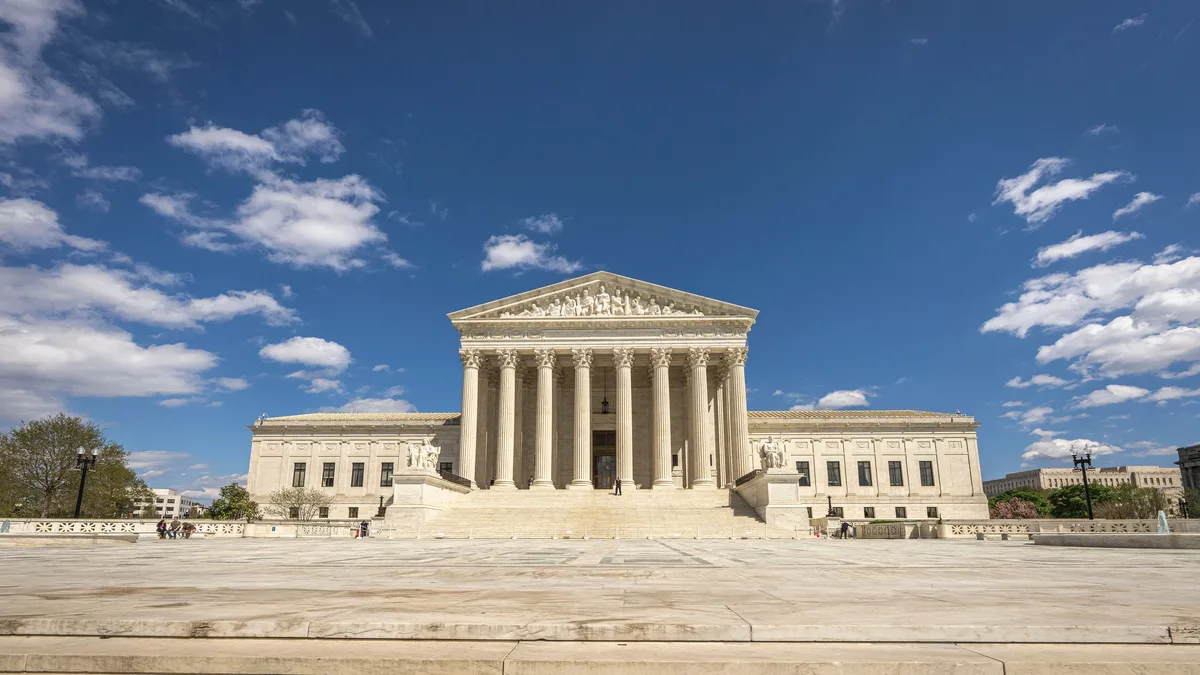
Supreme Court clears Trump ballroom project
The U.S. Supreme Court has allowed President Trump's White House ballroom construction to proceed, while Army Secretary Dan Driscoll resigns after 18

Messi retires from Argentina national team
Argentine legend Lionel Messi, 39, has retired from international soccer. He ends his 21-year career as Argentina's all-time top scorer with 125...