Supreme Court clears Trump ballroom project
The U.S. Supreme Court has allowed President Trump's White House ballroom construction to proceed, while Army Secretary Dan Driscoll resigns after 18
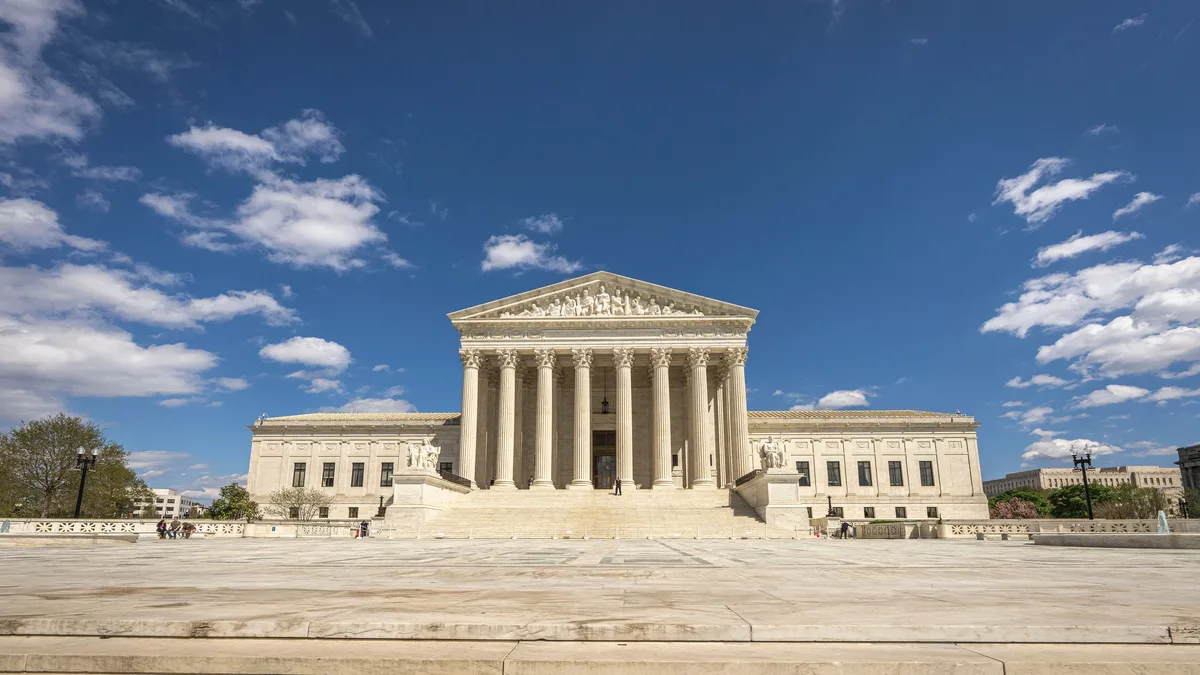
The U.S. Supreme Court has ruled that President Donald Trump can continue building a new ballroom at the White House without congressional approval. The court's decision, reported by NPR, did not address the legality of demolishing the East Wing but found the National Trust for Historic Preservation lacked legal standing to sue.
Chief Justice John Roberts dissented, joined by the court's three liberal justices. Roberts argued that Congress must approve buildings on federal park grounds, a requirement not met for this project. The ruling clears the way for construction to continue unabated.
Ballroom Construction Forges Ahead
The Trump administration says crews are working 20 hours a day, seven days a week on the project, which has been underway for nearly a year. NPR's Carrie Johnson notes that by the time the Supreme Court might eventually hear the legal dispute, substantial progress could already be made.
The new ballroom is projected to cost taxpayers at least $300 million. This contradicts President Trump's earlier assurances that taxpayers would not pay for it. The high court may still hear the core legal dispute later, but for now, the building continues.
Army Secretary Dan Driscoll Resigns
Dan Driscoll has resigned as Secretary of the Army after only 18 months in the role. Driscoll, who became the youngest-ever Army secretary at age 38, served as the Army's top civilian leader. His departure comes amid reported tensions with Defense Secretary Pete Hegseth, who has dismissed many top military officers.
NPR's Greg Myre calls the resignation significant given the ongoing turmoil at the Pentagon under Hegseth, especially as the war in Iran continues. The Army secretary manages the budget and long-term planning but is not in the military chain of command.
Driscoll is reportedly close to Vice President JD Vance. Before the resignation, there was speculation he would leave to take a key role in Vance's presidential campaign. Myre says it would not be surprising to see Driscoll next in a prominent role supporting Vance.
G20 Summit and Economic Pressure on Iran
Finance ministers from the world's largest economies are meeting for the G20 summit this week in North Carolina. They aim to discuss faster economic growth and tightening economic pressure on Iran. This marks the first U.S.-hosted summit in over fifteen years.
With military force unable to compel Iran to reopen the Strait of Hormuz, the U.S. announced "Operation Economic Outcast." The strategy aims to cut Iran's remaining global economic ties. The U.S. now threatens to penalize countries doing business with Tehran.
The stalemate has consequences. Gasoline prices are more than a dollar per gallon higher than before the war. Diesel prices have risen by nearly $2 per gallon. Treasury Secretary Scott Bessent argues economic growth can help address U.S. debt, but fiscal watchdogs are doubtful. According to NPR's Scott Horsley, the U.S. federal debt is increasing at three times the rate of the overall economy.
Bessent claimed oil pipelines bypassing the Strait of Hormuz will make the shipping route irrelevant in two years, a view energy experts dispute.
Whistleblower Warns on USPS Election Role
A newly released whistleblower report warns the U.S. Postal Service could "derail" the midterm election. The concern centers on rushing out "untested" technology as part of Trump's efforts to restrict mail-in voting.
The USPS has spent months preparing an online portal for state officials to submit absentee voter names and ballot barcodes. The whistleblower says testing has been inadequate. If courts allow the plan, portal issues could prevent eligible voters from receiving mail-in ballots on time or at all.
The report highlights ongoing tensions between election administration and new federal policies.