US judge rejects immediate block on Trump
A US judge has denied an immediate injunction against President Trump's second executive order restricting birthright citizenship, telling challengers to
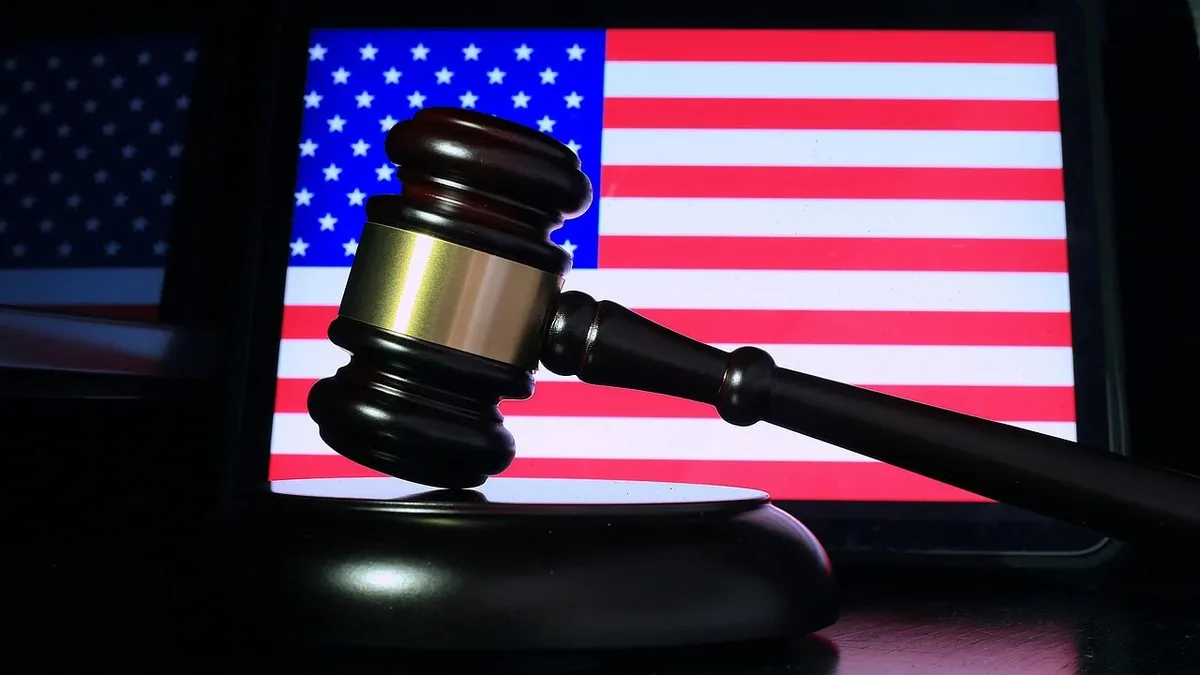
A US district judge has denied a request to immediately block President Donald Trump's second executive order on birthright citizenship. The decision on August 28 represents an initial legal setback for immigrant rights groups challenging the policy.
Judge Deborah Boardman, appointed by former President Joe Biden, declined to grant a preliminary injunction. She instructed the plaintiffs, a coalition of immigrant families and advocacy groups including We Are CASA and the Asylum Seeker Advocacy Project, to directly address the new order in their lawsuit. Boardman called the order "unprecedented" and indicated she would schedule a new briefing once a revised complaint is filed.
The legal battle continues
This lawsuit is a continuation of a long-running fight. In 2025, Judge Boardman was among several judges who approved preliminary injunctions against Trump's first birthright citizenship order. That initial order, signed on January 20, 2025, barred agencies from issuing citizenship documents to children whose parents were unlawfully present or in the US on a temporary basis. The Supreme Court struck it down as unconstitutional on June 30, 2026, in a 6-3 decision.
Trump issued his second, narrower order on August 6, 2026. The plaintiffs filed a memorandum on August 24 arguing for an injunction. Their lawyers stated, "It is simply not up to the Executive Branch to decide who is a citizen by birth in the United States." They contended the president has no power to change the law of birthright citizenship.
The scope of the new order
The new executive order seeks to deny citizenship to specific groups. It targets children born to non-citizen parents deemed "alien enemies" or "terrorists." It also aims to deny citizenship to children whose parents "engage in a commercial transaction" to access birthright citizenship or to ensure a birth occurs in the US. Furthermore, children of people from American Samoa, a US territory where citizenship is not conferred by federal statute, would be ineligible.
Trump and his allies argue such measures are needed to counter "birth tourism" and defend against "malign foreign actors." Critics call it another attempt to strip immigrant children of civil rights.
Constitutional foundations and challenges
Birthright citizenship is guaranteed by the Fourteenth Amendment of the US Constitution, adopted in 1868. The amendment states that "all persons born or naturalized in the United States, and subject to the jurisdiction thereof, are citizens." Exceptions are few, covering children of diplomats or occupying forces. The Supreme Court upheld this broad applicability in the 19th-century case United States v Wong Kim Ark.
Trump argues that children of irregular or temporary immigrants are not "subject to the jurisdiction" of the US. The plaintiffs' August 24 memorandum counters that class members are "entitled to have their citizenship recognized by the Executive Branch no matter how many overlapping Executive Orders the President issues."
The case is expected to proceed with a revised petition for a temporary restraining order.