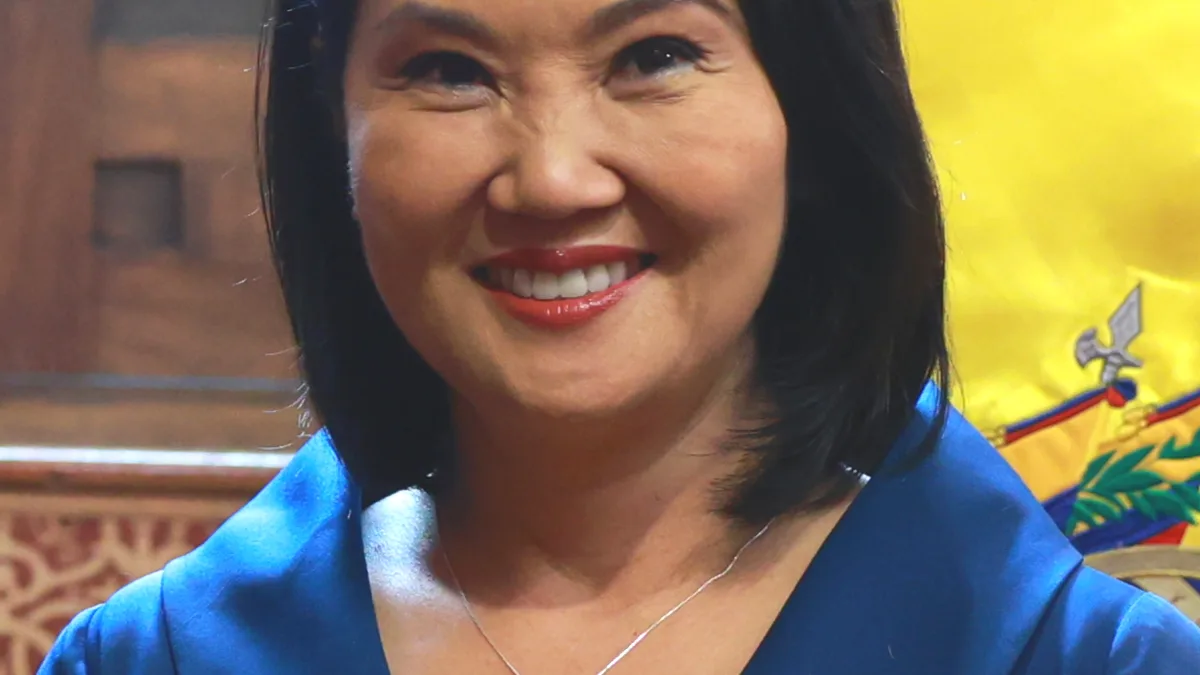
Peru 2026
| Country of origin | Peru |
|---|---|
| Election type | Presidential and congressional general election |
| Scheduled date | 2026 |
| Term length | Five years |
| Second round | Held if no presidential candidate receives over 50% of valid votes |
| Voting system | Proportional representation for Congress |
| Original use | To elect the President, Vice Presidents, and all 130 members of the Congress of the Republic |
Origin and history
Peru 2026 refers to the next scheduled general election in the Republic of Peru, a democratic process embedded in the nation's modern political cycle. Its origin is the Peruvian constitutional and electoral system, which mandates presidential and congressional elections every five years. The historical context for this specific electoral event is defined by the intense political instability Peru has experienced since the late 2010s, including multiple presidential vacancies and a deeply fragmented congress. This cycle follows the 2021 general election and the subsequent, turbulent administration that faced near-constant legislative opposition and early impeachment attempts. The 2026 election is being discussed years in advance due to widespread public anticipation that it may offer a potential reset or new direction after a period of profound national polarization. Its historical significance will be shaped by how it addresses the legacy of recent crises, including protests, institutional distrust, and demands for constitutional reform.
What it is for
The Peru 2026 general election is a constitutional process designed to renew the nation's executive and legislative branches of government through direct, universal, and secret vote. Its primary function is to elect a President and two Vice-Presidents for a five-year term, who cannot immediately seek re-election. Concurrently, it will elect the 130 members of the unicameral Congress of the Republic, who will serve a term of five years. The election serves as the fundamental mechanism for the transfer of political power and the formation of a government with a popular mandate. It is also a critical juncture for Peruvian citizens to express their approval or disapproval of the political class and the prevailing economic and social models. Furthermore, the process is intended to legitimize state authority and provide a stable framework for governance, though recent history has tested this objective.
Pros and cons
A primary advantage of the Peru 2026 election is its potential to produce a government with a clearer mandate and greater political stability than its immediate predecessors, should a candidate secure a decisive victory. It offers a formal, constitutional pathway for political renewal and the incorporation of new movements or leaders responding to public discontent. However, a significant con is the high risk of another fragmented congress, which could lead to immediate governability problems and potentially trigger another cycle of executive-legislative conflict and early impeachment proceedings. Many voters regret the limited and often polarizing choices presented, where candidates may be perceived as representing entrenched interests rather than offering substantive policy alternatives. A common mistake for the electorate is voting reactively against a disliked figure or party without clear consideration of a candidate's viable governing coalition, which often leads to protest votes for outsiders who subsequently struggle to govern. The electoral process itself, while administratively sound, can be undermined by pre- and post-election legal battles and allegations of illegitimacy from losing factions, delaying effective governance.
Who it suits
This election suits Peruvian citizens who are constitutionally eligible to vote and who maintain a belief in the electoral process as the primary means to effect political change, despite recent turmoil. It particularly suits established political parties, new political movements, and interest groups seeking to gain or maintain a share of institutional power and influence national policy. The process also suits media entities, pollsters, and political analysts who engage with the democratic cycle as a central feature of public life. It is a critical focal point for the international community and investors observing Peru, as its outcome will signal the country's medium-term political and economic direction. However, it does not suit those seeking immediate or radical systemic change outside the confines of the existing constitutional order, as the election is designed for renewal within the established framework. Ultimately, it is an event for those prepared to engage with the complex, and often frustrating, realities of building democratic consensus in a highly divided society.
Latest Peru 2026 news
Latest reporting
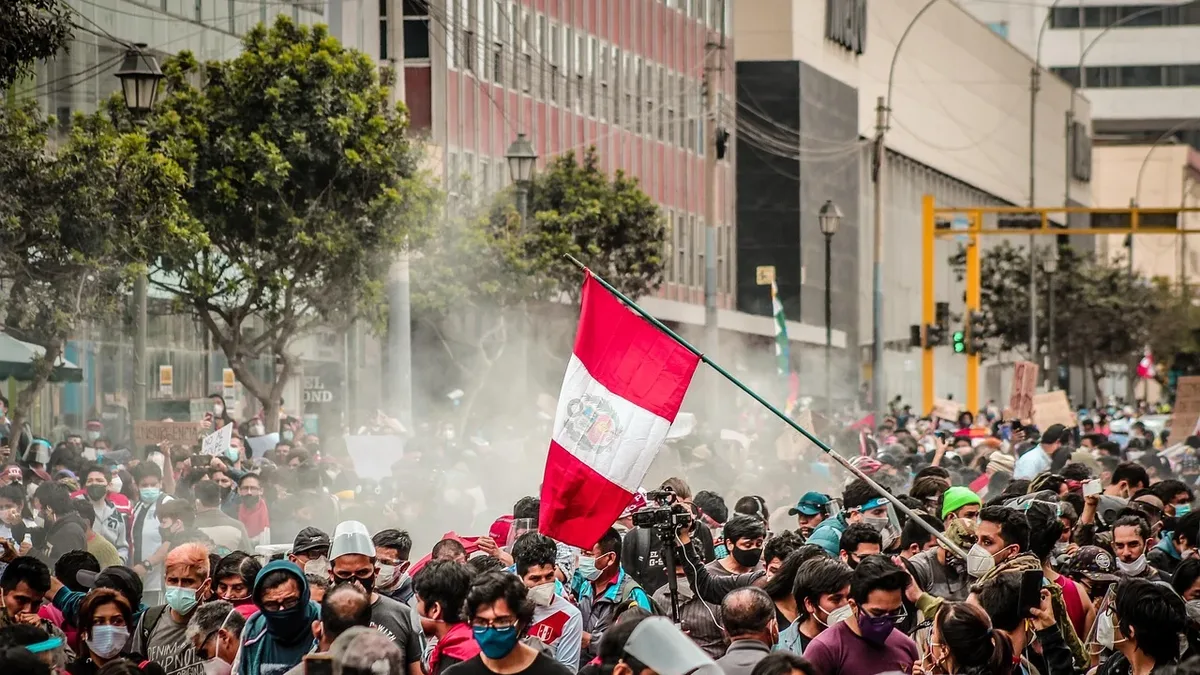
Pope Leo XIV Returns to Peru for Historic Homecoming
Pope Leo XIV, the first U.S.-born and Peruvian citizen pope, concludes his South American tour with a six-day visit to Peru, meeting abuse survivors...

Ecuador journalist Tomás Beltrán killed in Calceta
Tomás Beltrán Conforme, founder of the Facebook news site Calcetines, was shot dead outside his home on November 8, 2026. His murder highlights the...
Pope Leo XIV begins Latin America tour after lung cancer surgery
Pope Leo XIV has started a 12-day tour of Uruguay, Argentina, and Peru just three weeks after undergoing lung cancer surgery.
Brazil's 2026 presidential election heads to Lula-Bolsonaro runoff
Brazil's presidential election is set for an October 25 runoff between incumbent Luiz Inácio Lula da Silva and challenger Flávio Bolsonaro.
Xi Jinping Plans First U.S. State Visit in 11 Years
Chinese President Xi Jinping will make a state visit to the United States in September 2026 at President Donald Trump's invitation.
UN General Assembly Meets Amid Low Expectations
An analysis of the 2026 UN General Assembly debates highlights a focus on Iran, Gaza, and Ukraine.