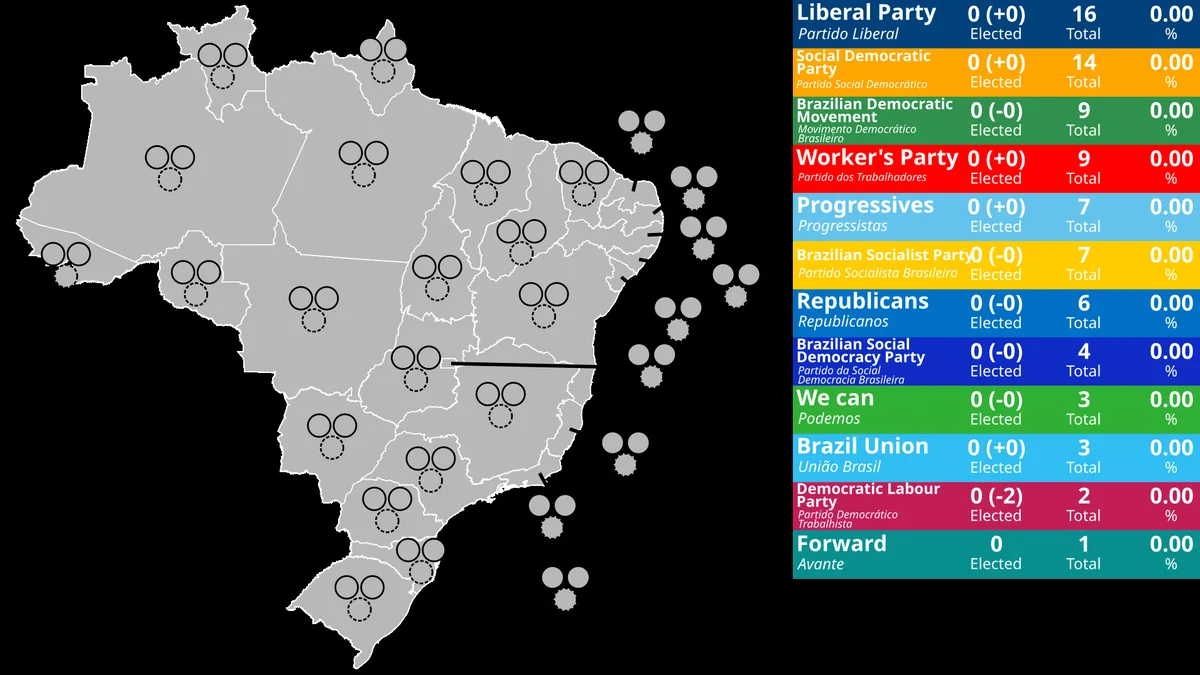
Brazil 2026
| Country of origin | Brazil |
|---|---|
| Original use | Election of federal and state executives and legislators |
| Date | October 2026 (first round), October or November 2026 (possible second round) |
| Election type | General election |
| Offices contested | President, Vice President, National Congress (Chamber of Deputies and Federal Senate), State Governors, State Assemblies |
| Electoral system | Two-round system (President and Governors), Open-list proportional representation (Chamber of Deputies) |
| Voting system | Compulsory for literate citizens aged 18 to 70 |
Origin and history
The Brazil 2026 election refers to the next scheduled nationwide general election in the Federative Republic of Brazil. This electoral process is mandated by the country's 1988 Constitution, which established a fixed calendar for elections at the federal level. The cycle originates from Brazil's transition to democratic rule in the late 1980s after a prolonged period of military dictatorship. These elections are deeply embedded in a political history marked by the consolidation of democratic institutions, periodic shifts between major political coalitions, and significant judicial interventions in the electoral process. The 2026 contest follows the highly polarized 2022 election and will occur in a regional context where neighboring democracies are also navigating complex political and economic challenges. The historical trajectory suggests that each Brazilian election carries the legacy of previous political conflicts and institutional reforms, setting the stage for a contest that will test the resilience of its democratic framework.
What it is for
The Brazil 2026 election is the constitutional mechanism for renewing the executive and legislative branches of the federal government. Its primary purpose is to elect the President and Vice-President of the Republic for a four-year term beginning on January 1, 2027. Concurrently, voters will elect all 513 members of the Chamber of Deputies and two-thirds of the 81-member Federal Senate, fulfilling the staggered renewal of the upper house. The election also serves to legitimize political power through direct universal suffrage, providing a formal channel for the expression of the popular will. Furthermore, it functions as a critical juncture for defining the nation's policy direction on issues such as economic management, public security, environmental policy, and international relations. For the Latin American region, the outcome will significantly influence regional integration efforts, trade dynamics, and collective diplomatic stances on global matters.
Pros and cons
A primary advantage of this electoral process is its institutional regularity, providing a predictable and peaceful avenue for political alternation, which remains a notable achievement in a region with a history of instability. The election offers a clear moment for national debate and civic engagement, forcing political actors to present platforms to an increasingly diverse and demanding electorate. However, a significant con is the intense polarization that has characterized recent cycles, which often paralyzes governance and deepens social divisions long after the votes are counted. Many citizens and analysts regret the frequent dominance of personality-driven campaigns over substantive policy discussion, a common mistake that leads to cyclical disappointment with administrations. The electoral system itself can produce fragmented legislatures, making coalition-building difficult and often resulting in legislative gridlock that hinders effective governance. Furthermore, the high cost of campaigns and the influence of economic power raise persistent concerns about equity and transparency in the political process.
Who it suits
This electoral contest primarily suits established political parties, large-scale campaign operators, and media organizations that structure the national political debate. It is a critical process for career politicians and public figures seeking to gain or maintain federal executive and legislative power. The election also suits engaged civil society organizations, unions, and business associations that aim to influence the national agenda by aligning with competitive candidates. Academics, pollsters, and political analysts find it a central subject of study for understanding Brazilian and, by extension, Latin American democratic dynamics. However, it is less suited to citizens seeking immediate, radical political transformation, as the constitutional framework and coalitional nature of Brazilian politics inherently favor gradual change. Ultimately, it is a system for those who accept operating within the established republican institutions, despite their documented flaws and complexities.
Latest Brazil 2026 news
Latest reporting

Ecuador journalist Tomás Beltrán killed in Calceta
Tomás Beltrán Conforme, founder of the Facebook news site Calcetines, was shot dead outside his home on November 8, 2026. His murder highlights the...
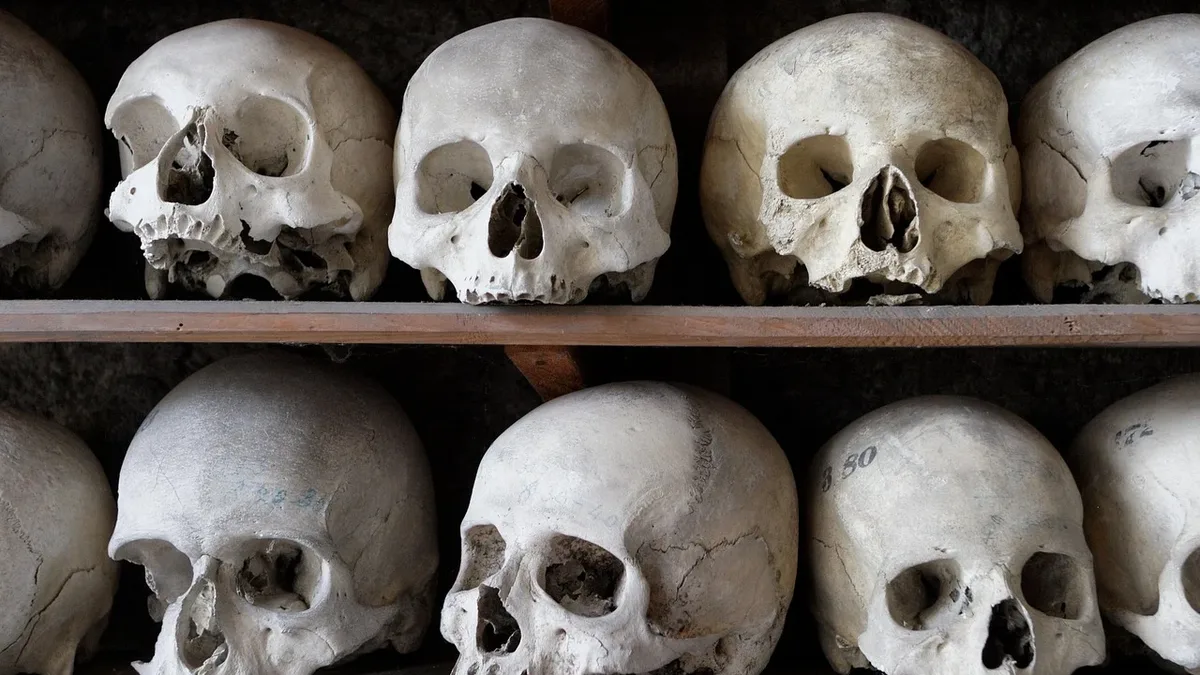
Brazil Repatriates Skulls of Enslaved People from Harvard
Brazil has repatriated two skulls of likely enslaved Africans used in racist eugenics studies at Harvard University.
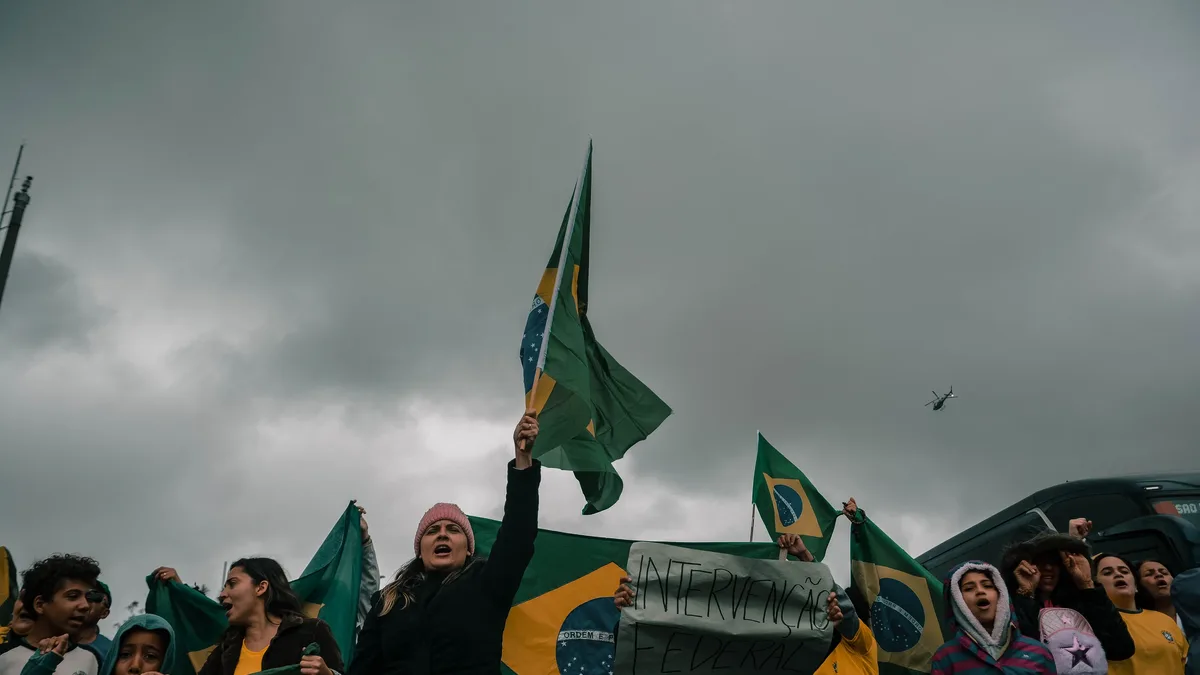
Lula's Fourth Term Secured by Elderly Voters and Youth Mobilization
Luiz Inácio Lula da Silva won a historic fourth term as Brazil's president after losing the first round, propelled by over a million elderly voters...

Flávio Bolsonaro Makes First US Appearance at CPAC After Election Loss
Flávio Bolsonaro, 45, made his first major public appearance since fleeing Brazil after the October 25 election loss to Lula da Silva, speaking at a...
Lula's Re-election Reshapes Brazil's China Ties and Tests US Influence
Luiz Inácio Lula da Silva's victory in Brazil's presidential election strengthens strategic alignment with China and challenges US efforts to pull...

Brazil launches global fossil fuel phase-out and deforestation roadmap
Brazil has published the world's first global roadmap for phasing out fossil fuels and halting deforestation, a voluntary framework for national...