Middle East Conflict
| Original use | Brigade-level simulation of modern Middle East warfare |
|---|---|
| First created | 1991 |
| Publisher | Strategic Simulations |
| Game turn length | Half of a day |
| Platform | Amiga |
| Review score example | 74% (Amiga Action) |
| Genre | Strategy game |
| Setting | Middle East region |
Origin and history
Conflict: Middle East is a video game published by Strategic Simulations in 1991. The game was created during a time when conflict simulation games were a notable niche in the personal computing market. Its development coincided with increased global media attention on the Middle East following events like the Gulf War. It represents a specific moment in the evolution of strategy gaming, moving from abstract board games to more detailed digital formats.
What it is for
Conflict: Middle East is designed as a brigade-level military simulation set in the Middle East region. The game allows players to explore hypothetical modern battles within this geographically and politically complex area. Its primary purpose is to provide a tactical and strategic gaming experience based on realistic military parameters and terrain. Each turn in the game represents half of a day, requiring players to make deliberate, time-sensitive decisions. It serves as an analytical tool for understanding the dynamics of warfare in a specific context, often focusing on Israeli-Arab conflicts. The game functions as both entertainment and a simplified educational model of military logistics and combat outcomes in the region.
Pros and cons
A pro of Conflict: Middle East is its detailed and polished simulation of brigade-level tactics, offering insight into military planning. It provides a structured way to explore historical and hypothetical scenarios in a controlled environment, which can foster strategic thinking. However, a significant con is that, by 1991, the game's format and mechanics were already seen by some critics as repetitive within its genre. Players seeking innovation or narrative depth might regret choosing it, as it focuses heavily on mechanical simulation over story or varied gameplay. A common mistake is approaching the game without patience for its complex systems and slow, turn-based pace, leading to frustration. The game suits a very specific audience, and its narrow focus can be a drawback for general strategy gamers.
Who it suits
Conflict: Middle East suits players with a dedicated interest in historical military simulations and tactical warfare games. It is appropriate for those who enjoy methodical, turn-based strategy and analyzing detailed combat outcomes from specific decisions. The game appeals to individuals interested in the modern history and geopolitical tensions of the Middle East, even in an abstracted form. It is best for solitary play or two-player competition, catering to gamers who prefer depth and realism over fast-paced action. Players familiar with other products from Strategic Simulations from that era will likely appreciate its consistent design philosophy and complexity. It is not well-suited for casual gamers or those looking for a broad, story-driven experience.
Latest Middle East Conflict news
Latest reporting

UN General Assembly Opens Amid Global Tensions
World leaders gather in New York for the UN General Assembly's high-level week, with a focus on Middle East de-escalation and Ukraine.
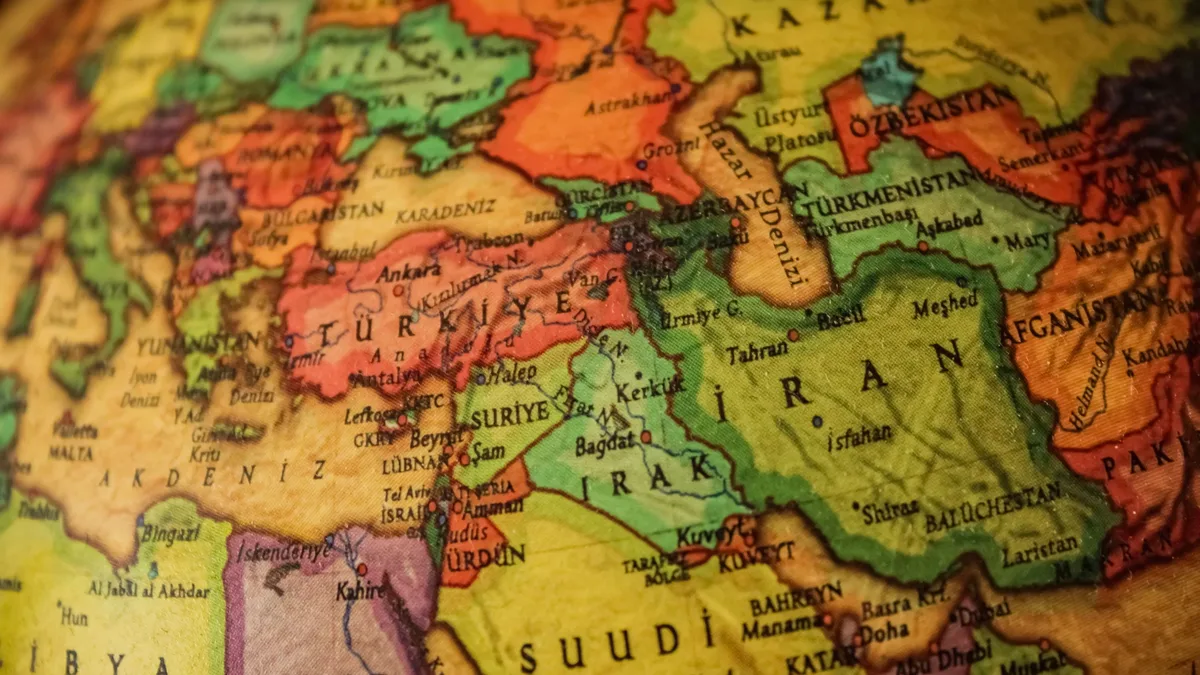
Putin Arrives in India for BRICS Summit Amid Global Conflicts
Russian President Vladimir Putin landed in New Delhi for a BRICS summit where wars in Ukraine and the Middle East will dominate talks with leaders.

Trump Hints He May Not Back UK in Falklands Conflict With Argentina
US president hints at not backing UK in potential Falklands conflict with Argentina.
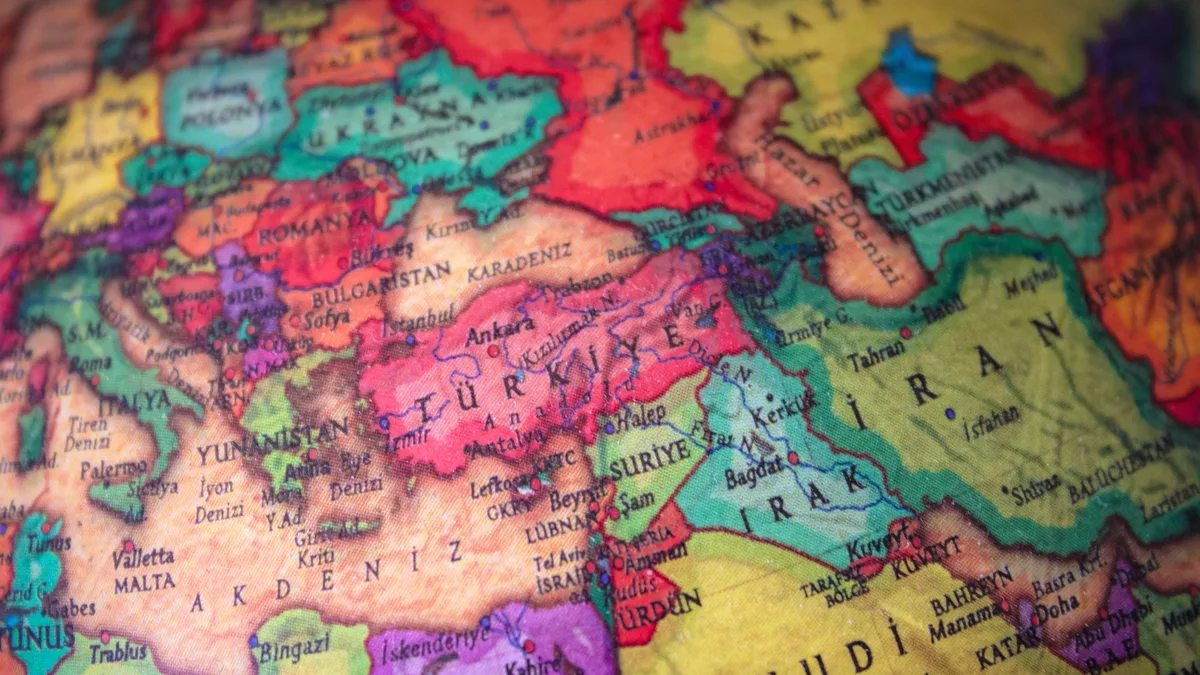
Putin Backs Iran in Conflict with U.S.
Putin pledges support to Iran in its war with the U.S. and Israel, promising necessary goods, as U.S. intelligence alleges Russian targeting...
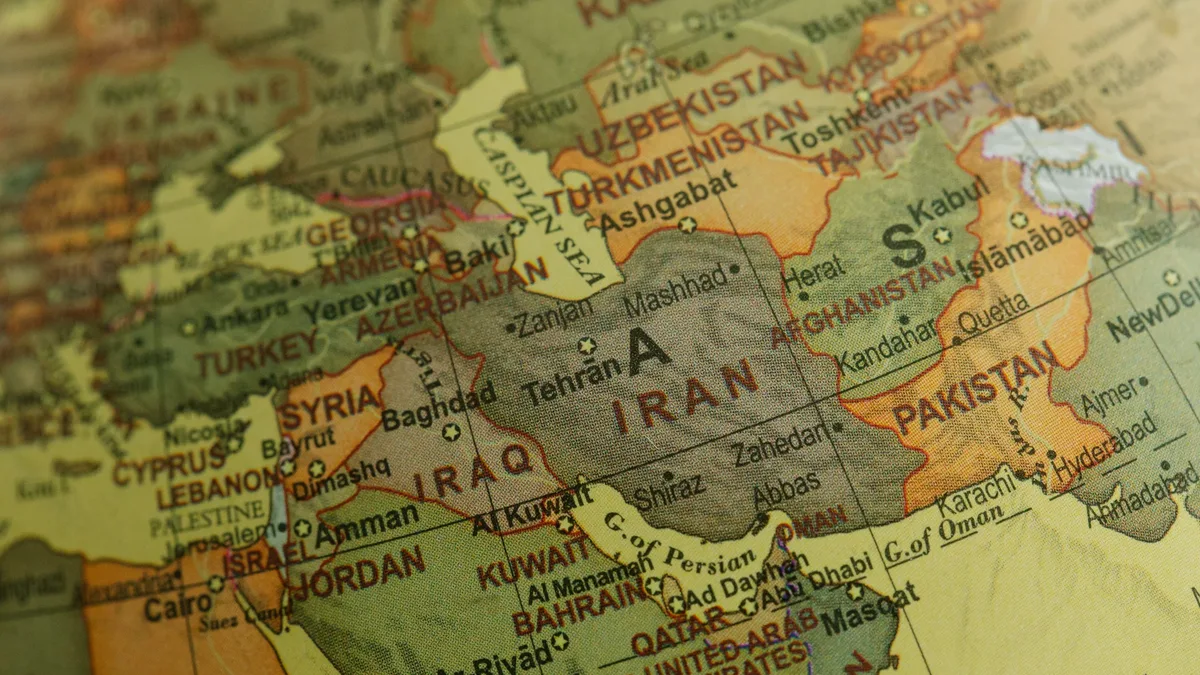
Six months of Iran-US war leaves Gulf states under economic strain
After six months of conflict between Iran and the US, Gulf states face prolonged economic strain from disrupted oil exports and rising inflation.
The Search for Federico García Lorca’s Remains: 90 Years After His Execution in the Spanish Civil War
Ninety years after his execution during the Spanish Civil War, the remains of poet Federico García Lorca remain missing. Despite multiple attempts...