Vladimir Putin
| Role | President of Russia |
|---|---|
| Country | Russia |
| Born | 1952 |
| Political party | United Russia |
| Previous office | Prime Minister of Russia |
| Former career | KGB officer |
| Education | Law degree, Saint Petersburg State University |
| First elected president | 2000 |
Origin and history
Vladimir Putin comes from Russia, where he was born in 1952 in Leningrad, now Saint Petersburg. His public political profile first became widely documented in Russia during the 1990s. He worked earlier for the KGB and later for the FSB, which gave him a security background before he entered national politics. In the late 1990s he became prime minister and then president, which placed him at the center of Russian state power. His leadership has been shaped by the collapse of the Soviet Union, the 1990s economic crisis, and the state rebuilding that followed. For a Latin American reader, this history explains why he is often treated as a symbol of Russian authority rather than just a single president.
What it is for
This profile is used to understand how one Russian leader has shaped national power, foreign policy, and public authority. It helps readers place current events involving Russia inside a longer political pattern. For Latin American audiences, it can clarify why Moscow appears in debates about energy, arms, diplomacy, and non Western alignment. The profile also shows how a security background can influence decisions about state control, media, and opposition. It gives context for relations with governments that seek alternatives to Western institutions. A useful reading of the profile should connect personal power to institutions, not reduce every event to one man's will.
Pros and cons
A clear profile of Putin helps readers see the continuity of Russian politics after the Soviet collapse. It also shows how personal networks, security services, and state media can support long term rule. The main risk is that the profile can become too simple, making complex events look like one person's decisions alone. Readers may regret using it if they treat it as a complete explanation of Russia, because regions, courts, parties, and economic groups also matter. The common mistake is to read the profile as either admiration or condemnation instead of analysis. For Latin American readers, another problem is importing foreign political labels without checking how Russian institutions work.
Who it suits
This profile suits Latin American readers who need basic context on Russian leadership and its foreign policy style. It is useful for students, journalists, and analysts who follow geopolitics, energy, sanctions, or international diplomacy. It also helps people compare how strong executive power develops in different regions. Readers should approach it with caution if they want a full account of Russian society or policy making. The profile works best when paired with sources on Russian institutions, elections, courts, and economic interests. It is not a guide to everyday life in Russia, but it can frame the political story behind major events.
Latest Vladimir Putin news
Latest reporting
US Envoys Secure Putin's Conditional OK for Europe in Ukraine Talks
U.S. envoys met with Vladimir Putin and Volodymyr Zelenskyy to restart Ukraine peace talks, with Putin granting conditional approval for European...
Putin Arrives in India for BRICS Summit Amid Global Conflicts
Russian President Vladimir Putin landed in New Delhi for a BRICS summit where wars in Ukraine and the Middle East will dominate talks with leaders.
US Envoys Hold Kyiv Talks Amid Persistent Russia-Ukraine Disagreements
US envoys Jared Kushner and Steve Witkoff held symbolic peace talks in Kyiv after meeting Vladimir Putin in Moscow.
U.S. Envoys Visit Kyiv After Moscow Talks
U.S. Envoys Jared Kushner and Steve Witkoff met with Ukrainian President Volodymyr Zelenskyy in Kyiv, a day after talks with Vladimir Putin in Moscow.
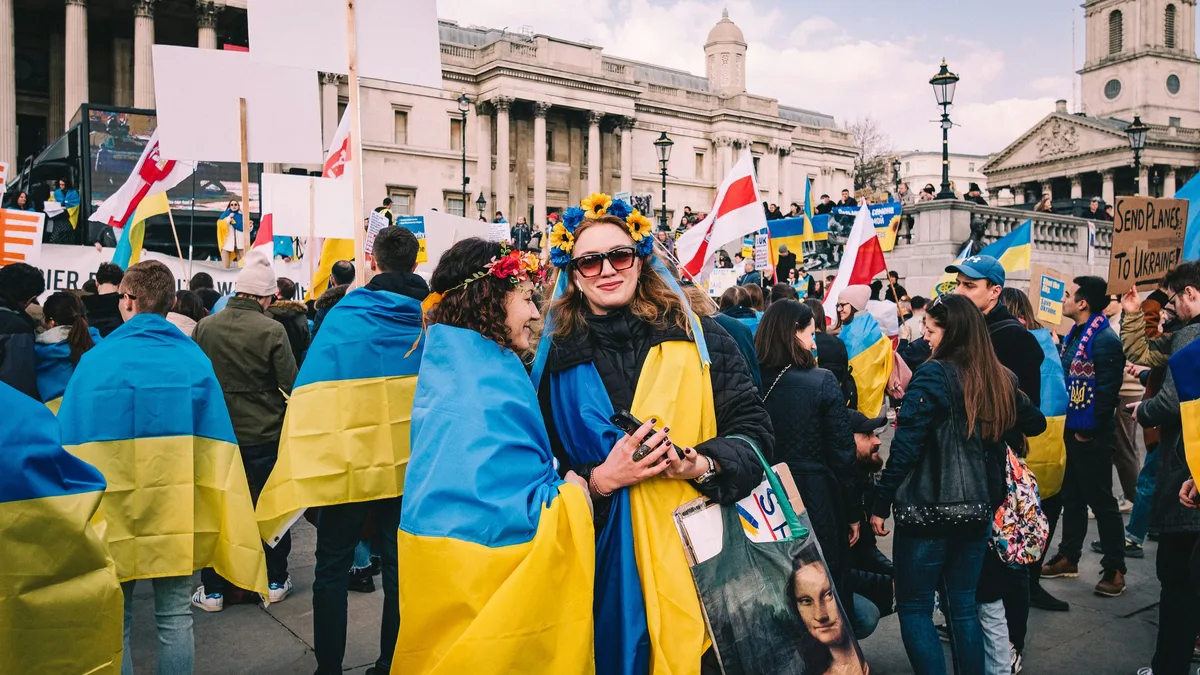
US Envoys Hold Kyiv Talks After Moscow Putin Meeting
Trump administration envoys Steve Witkoff and Jared Kushner held talks with Ukraine's President Zelenskyy in Kyiv.
US Envoys Meet Zelenskyy in Kyiv for Ukraine War Talks
US special envoys Jared Kushner and Steve Witkoff held their first talks in Kyiv with President Volodymyr Zelenskyy, a day after meeting Russia's...