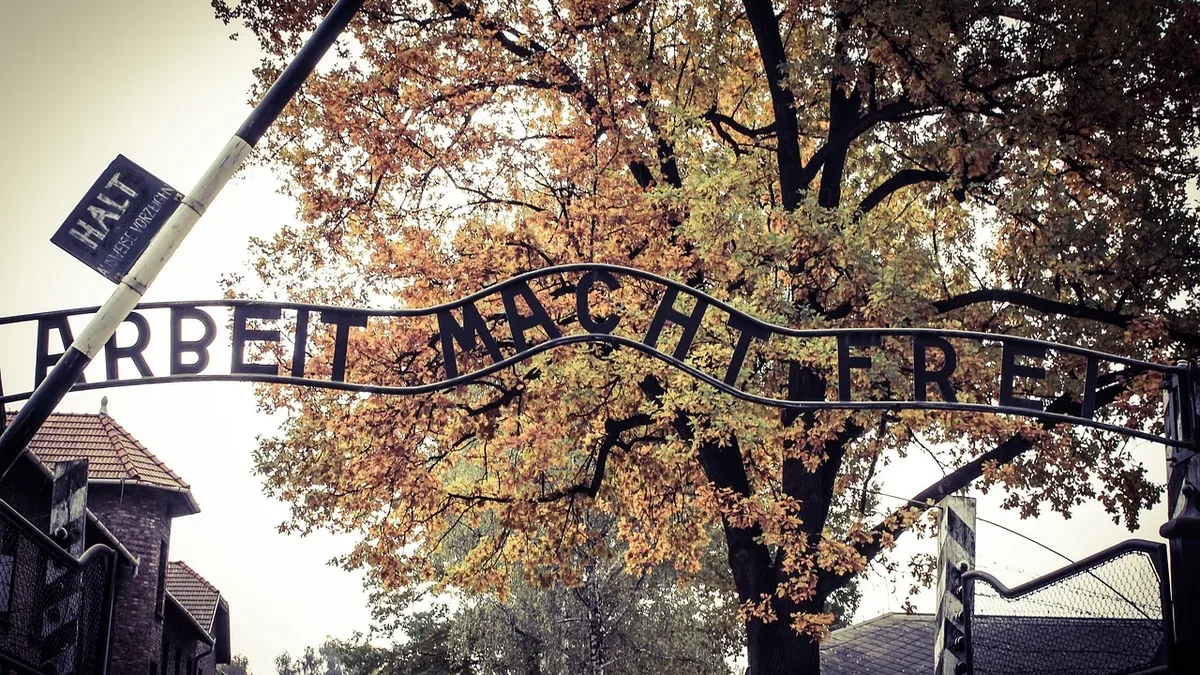
EU Condemns Serbian Ministers at Mladic Funeral
Top EU leaders have condemned the presence of senior Serbian officials at the funeral of convicted war criminal Ratko Mladic, warning it contradicts
European Commission President Ursula von der Leyen and European Council President Antonio Costa have condemned Serbian ministers for attending the funeral of war criminal Ratko Mladic. The EU leaders issued identical statements on Tuesday, calling images from the previous day's commemoration in Serbia "shocking."
They stated that the elements of official support and the presence of senior officials were "deeply regrettable." According to the leaders, this demonstrates a failure to confront a dark chapter in Europe's recent history and contradicts the values underpinning Serbia's path towards the European Union. "Our thoughts are with all the victims of the crimes committed in the countries of former Yugoslavia," they added on the social media platform X.
Officials in Attendance
Serbia's Justice Minister Nenad Vujic had initially announced "military and state honours" for Mladic, a move that drew international protest and led President Aleksandar Vucic to downgrade the event. Despite the downgrade, several high-profile figures attended the funeral.
In attendance were Serbia's defence and justice ministers, the head of the Serbian Orthodox Church, and officials from the Bosnian Serb separatist entity, Republika Srpska, including President Sinisa Karan. Russia's ambassador to Serbia, Alexander Botsan-Kharchenko, was also present. President Vucic did not attend but described the event as an "emotional outpouring," and his son was there.
Mladic's Legacy and Regional Fallout
Ratko Mladic died in The Hague last month at the age of 84 while serving a life sentence for genocide, war crimes, and crimes against humanity during the 1990s Bosnian War. He remains a hero to many Serbs. His legacy is inextricably linked to the 1995 Srebrenica genocide, where forces under his command systematically killed more than 8,000 Bosniak men and boys, an atrocity ruled a genocide by a UN court.
The funeral has provoked a direct regional response. Bosnia downgraded diplomatic relations with Serbia and recalled most of its embassy staff from Belgrade in reaction to the event.
A Barrier for EU Accession
The EU's rebuke sharpens a standoff with Belgrade just weeks before the bloc publishes its annual assessment of membership applicant countries. The incident poses a significant new barrier to Serbia's EU candidacy. Enlargement Commissioner Marta Kos, charged with relations with candidate countries, had already canceled a trip to Belgrade last week. She stated that the glorification of Mladic's death would be incompatible with the bloc's values and that the funeral would be "a test."
Serbia's membership prospects were already strained. In April, Commissioner Kos warned Belgrade it could lose access to about 1.5 billion euros in EU funds over irregularities in municipal elections. Brussels has not yet announced how the funeral incident will impact Serbia's accession bid. When asked about possible consequences, a spokesperson for President von der Leyen said the bloc was still "looking into it."
Criticism of EU Stance
Von der Leyen's condemnation also drew criticism from some observers who accused the EU of hypocrisy regarding other international conflicts. In a post on X, Bruno Macaes, former Portuguese secretary of state for European affairs, called the condemnations "embarrassing." He argued that the list of crimes being condemned in the Balkans corresponds exactly to the list of crimes that were excused or supported by these same governments over the last three years in Gaza, where Israeli Prime Minister Benjamin Netanyahu is wanted in The Hague for alleged war crimes.