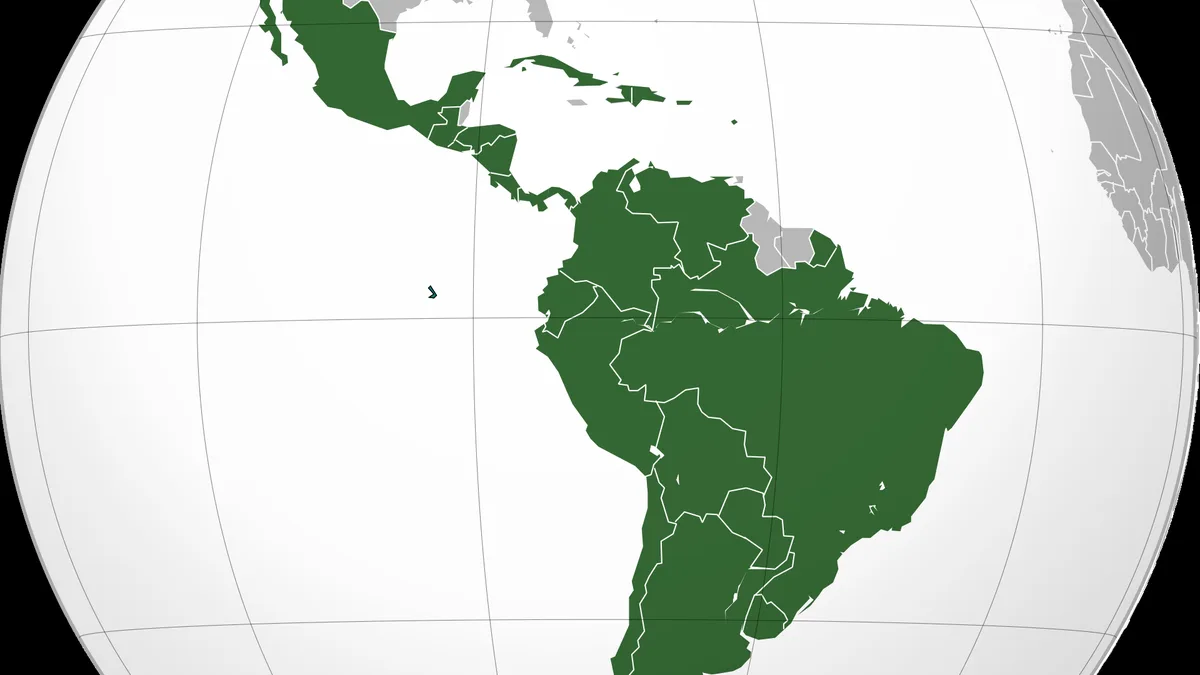
Latin American Diaspora Communities Abroad
| Country of origin | Latin America |
|---|---|
| Original use | Community support and cultural preservation |
| Size of community | Varies by host country |
| Primary languages | Spanish, Portuguese, and indigenous languages |
| Major host countries | United States, Spain, Japan, Canada |
| Common cultural institutions | Community centers, places of worship, restaurants |
| Key annual events | National independence days, religious festivals, heritage months |
Origin and history
The Latin American diaspora finds its origin in the nations of Latin America and the Caribbean. Its formation as widespread communities abroad began accelerating in the latter half of the 20th century, driven by economic instability, political conflicts, and the search for opportunity. Significant waves of migration occurred from countries like Mexico, El Salvador, Cuba, Colombia, and the Dominican Republic during this period. The United States has historically been the primary destination, receiving the largest number of migrants from the region since at least the 1960s. Concurrently, substantial communities were established in Canada, Spain, Italy, Japan, and other nations from the late 20th century onward. This protracted and ongoing process has created a transnational social field connecting home countries with host societies across generations.
What it is for
These communities serve as a vital support network for new arrivals, facilitating adaptation to a new society while preserving cultural identity. They function as economic engines, both through remittances sent back to countries of origin and entrepreneurial activity within host countries. Diaspora communities act as cultural ambassadors, introducing and sustaining Latin American food, music, language, and traditions abroad. They provide a platform for political mobilization, advocating for immigrant rights in host countries and sometimes engaging in politics of their home nations. These groups also create spaces for social cohesion, mitigating feelings of isolation and offering a familiar social fabric in a foreign context. Furthermore, they serve as repositories of collective memory and hybrid identity, constantly negotiating between the culture of origin and the culture of the adopted home.
Overview
Latin American diaspora communities abroad are transnational networks characterized by their sustained connections to the homeland. They are not monolithic but are instead composed of distinct national and sub-national groups, such as the Mexican-American, Cuban-American, or Brazilian-Japanese communities. These communities exhibit a spectrum of integration, from recently arrived immigrants to multi-generational families with deep roots abroad. A common feature is the maintenance of linguistic and cultural practices, including Spanish and Portuguese language use, religious festivals, and culinary traditions. The demographic and socioeconomic profile of these communities varies significantly based on country of origin, host country, and historical context of migration. Their existence fundamentally alters the social and cultural landscape of both the sending and receiving countries.
What to know
It is crucial to understand that the diaspora experience is heterogeneous, with profound differences between, for example, a political exile and an economic migrant. Legal status is a paramount and often stressful factor shaping life opportunities and community dynamics within the diaspora. Remittances constitute a major financial flow, vital to the economies of many Latin American nations and deeply embedded in family obligations. Second and third generations often navigate complex identity formations, balancing ancestral heritage with the national identity of their birth country. Diaspora communities frequently engage in transnational practices, participating in home country politics, investing in businesses back home, and consuming media from their country of origin. These communities are also sites of constant cultural innovation, giving rise to new hybrid expressions in music, art, and language.
Common questions
A common question is whether diaspora members eventually plan to return to their country of origin, a concept known as the myth of return. People often ask how diaspora communities maintain their cultural identity across generations without it diluting. Many inquire about the primary challenges these communities face, which typically include discrimination, legal vulnerability, and generational cultural gaps. A frequent topic is the role of the Spanish and Portuguese languages and whether subsequent generations lose proficiency. Questions arise about the economic impact, specifically how significant remittances truly are for home countries and local economies. Another area of inquiry concerns political influence, exploring how diaspora communities lobby within host countries or influence elections in their nations of origin.
Pros and cons
A significant advantage is the creation of a robust support system that provides practical assistance, emotional solidarity, and cultural familiarity in a new environment. The economic opportunity and stability sought by migration often materialize, allowing for improved livelihoods and the ability to support family back home. A con is the experience of perennial "in-betweenness," where individuals may feel neither fully accepted in the host society nor fully connected to the changed homeland. Discrimination, xenophobia, and legal precarity are persistent negatives that can lead to systemic disadvantage and psychological stress. A common mistake is underestimating the emotional and logistical difficulty of long-term separation from family and the deepening sense of distance over time. Many who succeed economically regret the trade-off of missing key family moments and the gradual estrangement from their roots, while some who struggle abroad face the difficult choice of returning in defeat or enduring hardship.
Who it suits
This experience suits individuals and families who possess a strong drive for economic advancement and are prepared for the arduous process of building a new life. It is often a necessary path for those fleeing violence, political persecution, or extreme economic deprivation who have no viable alternative at home. It suits those who value community and are willing to actively participate in and contribute to diaspora networks for mutual benefit. The reality suits people who can manage ambiguity and hybrid identity, comfortably navigating multiple cultural codes. It is less suited for those who are deeply attached to their daily local social fabric and the physical proximity of their extended family, as those ties will be strained. Ultimately, it suits the resilient who are prepared for a lifelong negotiation between memory and adaptation, loss and opportunity.
Latest Latin American Diaspora Communities Abroad news
Latest reporting

Verdict due Friday in Mexico trial for murdered Australian surfers
A Mexican judge will deliver a verdict Friday for three men accused of murdering two Australian brothers and their American friend during a 2024...
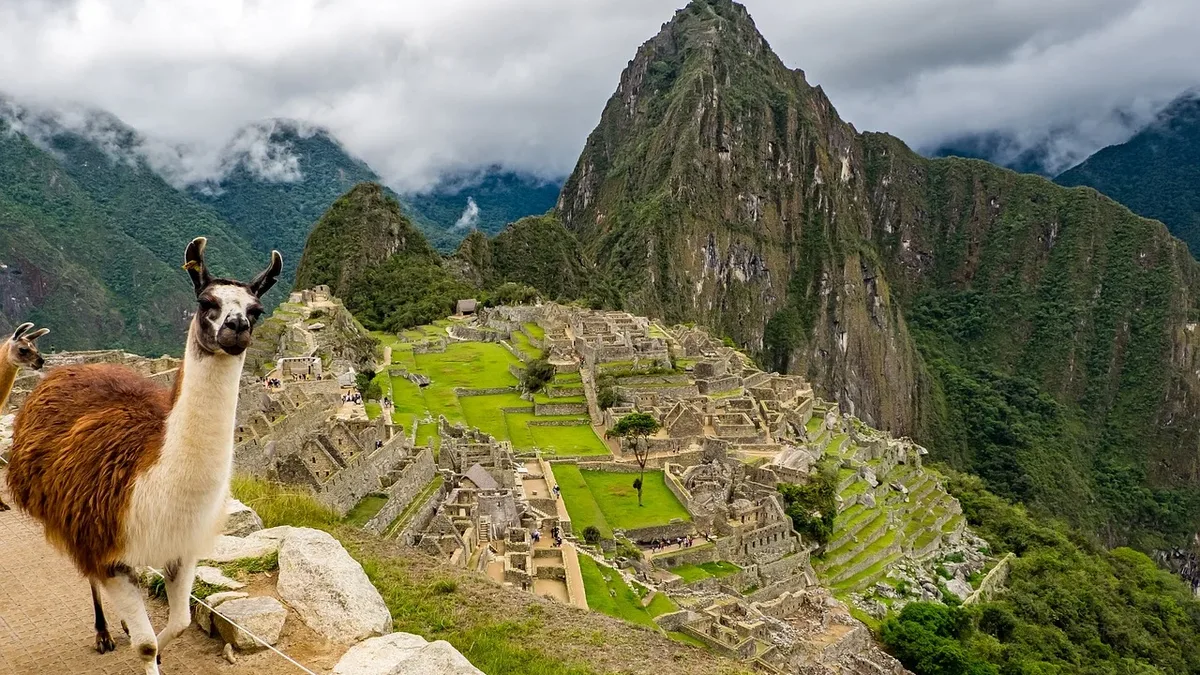
Rubio Visits Latin America
Secretary of State Marco Rubio is visiting Colombia, Peru, and Ecuador to discuss cooperation against narco-terrorism.

Iran Retaliates Against U.S. Allies in Gulf
Iran fired on U.S. allies in the Gulf early Wednesday, retaliating for American strikes that reportedly hit a wedding party.
Saint Levant delays tour over US visa issues
Palestinian artist Saint Levant postpones his North American tour to 2027 due to US visa issues, citing tighter immigration rules affecting...
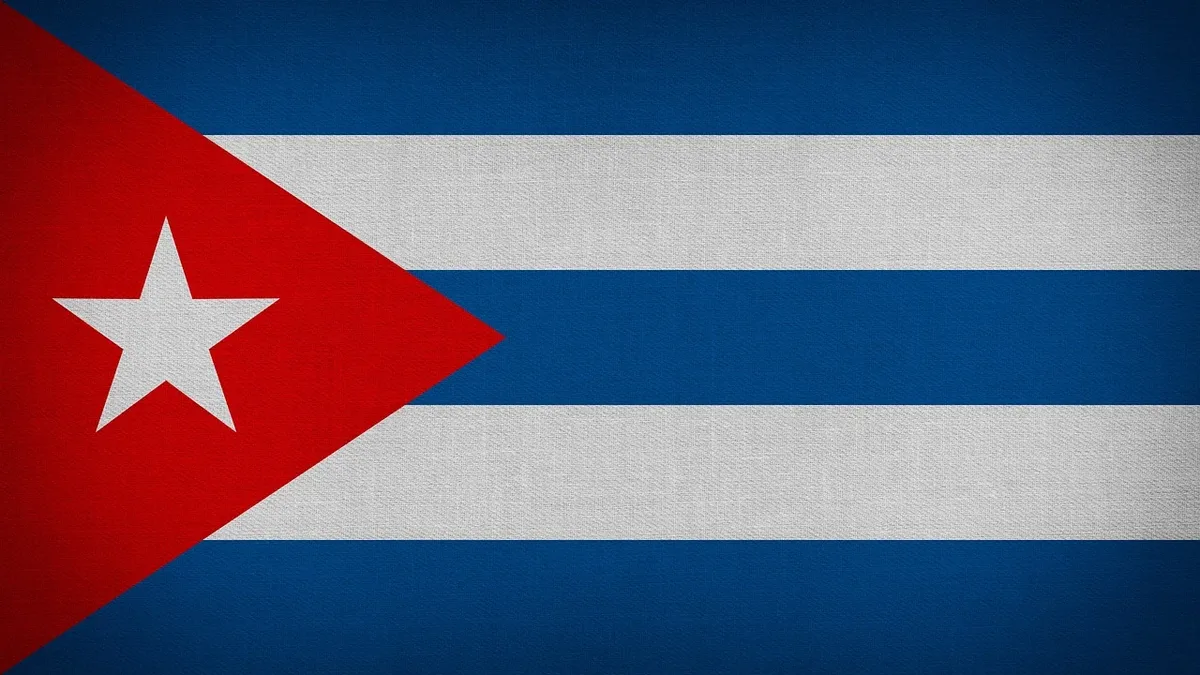
Expedia Wins Florida Case Over Cuba Property
A Florida jury ruled Monday that two Cuban American plaintiffs failed to prove ownership of properties in Cuba, dismissing their claim against...

Ecuador intelligence chief and wife killed
Ecuador's intelligence chief and his wife were among seven people killed in a helicopter crash in Kenya. Five of the victims were American citizens.