US Seizes Control of Venezuelan Oil After Maduro Capture
The United States has taken majority control of a fifth of Venezuela's oil reserves following the capture of President Nicolás Maduro, cementing a
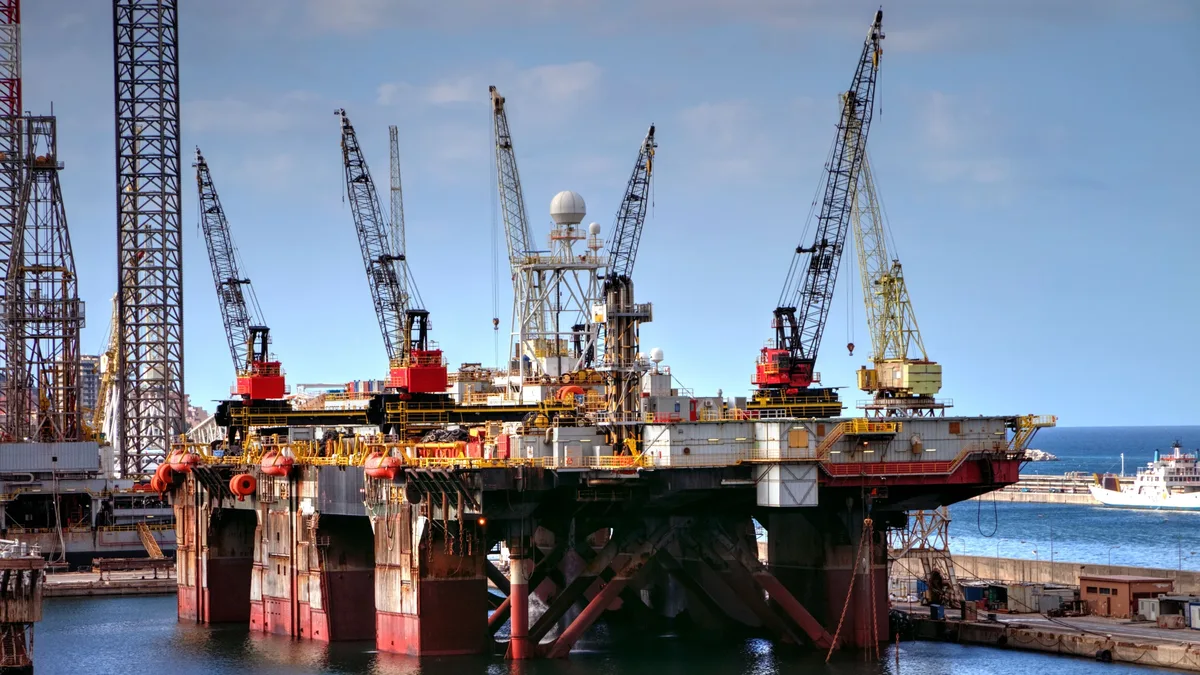
The United States has taken majority control over about a fifth of Venezuela's oil reserves. This move followed a brazen night-time kidnapping of the country's leader, Nicolás Maduro, earlier this year, as announced by Donald Trump last week.
According to a White House press release, the deal "secures our energy dominance for the next century." The agreement, described as the "biggest oil deal in world history," grants the US government "powerful governance rights" over the reserves. Acting President Delcy Rodríguez, who initially denounced Maduro's capture as a kidnapping, has since shown willingness to work with Washington but faces accusations of surrendering national resources.
A Century of Oil Dependency
The core of the US-Venezuela relationship has been oil for over a century. A 1950 US State Department memo stated plainly that "All US policies toward Venezuela are affected in greater or less degree by the objective of assuring an adequate supply of petroleum for the US." Venezuela, home to the world's largest known oil reserves, fueled Allied forces during the Second World War. For decades, US energy companies were heavily involved in and profited immensely from Venezuela's industry.
The Chávez Rupture and Nationalization
Cooperation nosedived in 1999 with the election of socialist President Hugo Chávez. He forged alliances with China, Iran, and Russia, turning Venezuela into a US adversary. Relations worsened after a brief, failed coup in 2002, which Chávez accused Washington of backing. In 2007, Chávez launched a wave of nationalization, seizing oilfields operated by US firms.
While Venezuela had nationalized its oil industry decades prior, it had allowed foreign companies to profit from extraction. Chávez's new terms gave the state oil company a majority share, offering foreign firms minority stakes. US companies responded differently.
ExxonMobil and ConocoPhillips were effectively pushed out and later won billions in arbitration awards from the World Bank, which Venezuela has never paid in full. Foreign involvement persists, however, with Russian, Chinese, Cuban, UK, and European firms like Shell, BP, Eni, and Repsol still active.
Maduro's Rule and Escalating Tensions
Nicolás Maduro succeeded Chávez in 2013, continuing antagonistic policies. His rule was considered dictatorial, with the UN estimating over 20,000 extrajudicial killings by 2019. The US-led sanctions campaign compounded economic crisis. Maduro maintained close ties with Moscow and Beijing, exporting about 80% of Venezuela's crude to China as loan repayment before a US blockade in December.
Donald Trump repeatedly called for Maduro's ouster, accusing him of sending drugs and criminals to the US-a claim experts say lacks evidence. In July last year, Washington announced a $50m bounty on Maduro, accusing him of major drug trafficking. The US conducted airstrikes against alleged traffickers in the Caribbean, seized Venezuelan tankers, and built up military presence.
Trump gave Maduro an ultimatum to relinquish power in late November, offering safe passage. Maduro refused, telling supporters he did not want "a slave's peace" and accusing the US of wanting Venezuela's oil.
Capture and a Controversial Deal
The relationship breakdown culminated in a pre-dawn US raid on Caracas this January, capturing Maduro and his wife, Cilia Flores, who now face trial in New York. In August, after secret talks, Trump announced the oil control deal. The White House claims private-sector growth from the deal could drive a democratic transition in Venezuela.
Prominent Venezuelan economist Francisco Rodríguez called the deal "predatory," saying it was "done at gunpoint." He wrote that Washington's actions have turned Venezuela into "a protectorate in all but name." Rodríguez concluded, "Trying to run a country from the capital of an imperial power has been tried before. And it has not ended well."